
The 60-Second Answer
Yes, biotin and silica for menopause hair and nails may improve brittle nails when a deficiency or structural weakness is present. However, supplements cannot correct every cause. Menopause-related dryness, thyroid disease, iron deficiency, repeated water exposure, and female pattern hair loss require targeted assessment and treatment.
Biotin And Silica May Strengthen Nails
Watching once-strong nails become thin, ridged, or easy to split can feel like another unwelcome menopause change. Declining estrogen may reduce moisture retention and affect the tissues supporting the nail plate. Aging, frequent handwashing, polish removers, nutritional gaps, and medical conditions can compound the damage.
Biotin and silica have potential benefits, but neither is a guaranteed repair. Biotin deficiency is rare, and evidence for supplementing healthy people remains limited. Silica research is promising, although study sizes are small and formulations vary.
Menopause Changes Keratin And Collagen

Hair and nails consist primarily of keratin. Biotin, also called vitamin B7, acts as a coenzyme in fatty-acid, amino-acid, and glucose metabolism. These processes support cell growth, including activity within the nail matrix and hair follicle. Biotin does not simply “create” keratin, but inadequate intake can contribute to weaker hair strands and brittle nails.
Silica, or silicon-containing compounds, may support collagen formation and connective-tissue structure. Collagen helps anchor the nail-producing tissue and provides structural support around each follicle. Some forms may also improve skin hydration and elasticity.
During menopause and perimenopause, estrogen and progesterone fluctuate before settling at lower levels. Estrogen hormone receptors are present in skin and hair follicles. Reduced signaling can affect the hair growth cycle, skin hydration, elasticity, and sebum production. This hormonal and metabolic shift may produce drier nails, weaker hair, or increased shed, but it does not automatically mean a nutrient deficiency.
Biotin Helps Mainly When Intake Is Low

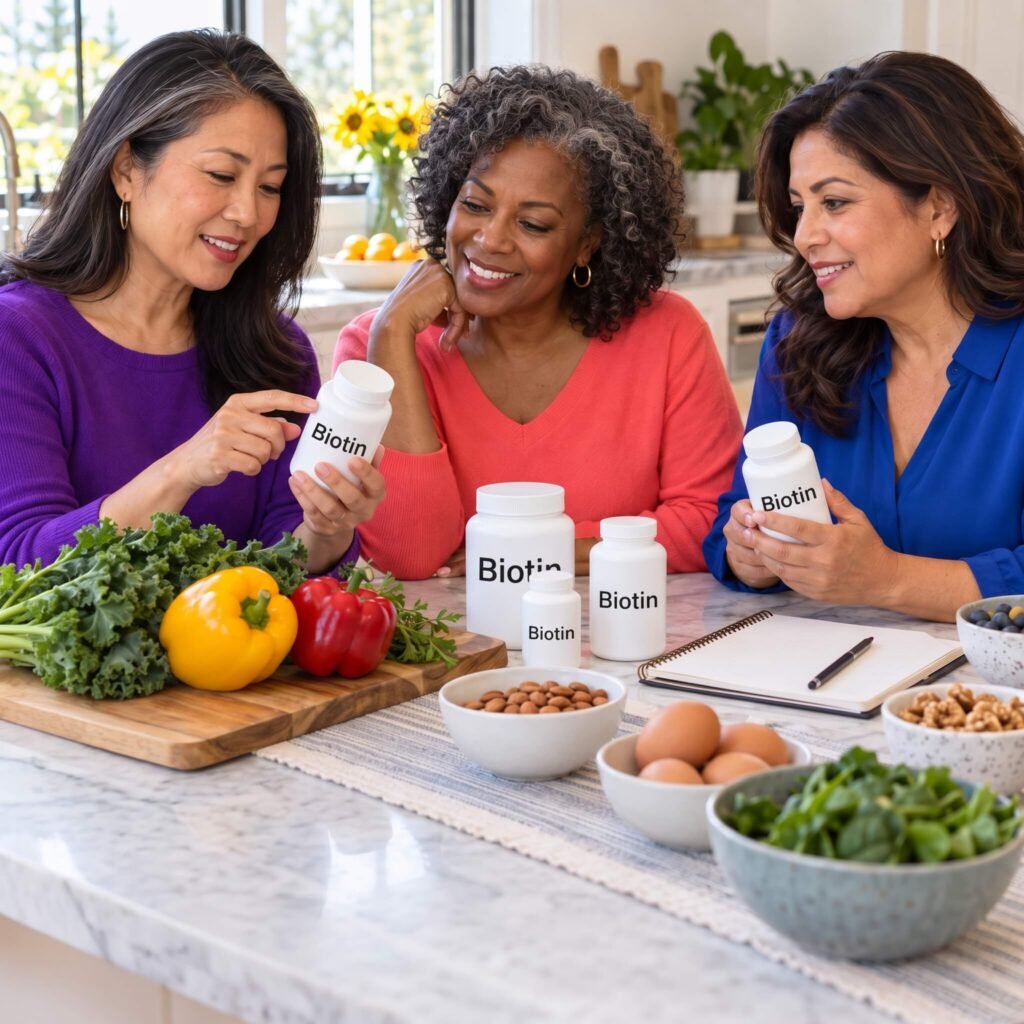
The adequate intake for adults is only 30 micrograms daily, and most people get enough biotin from eggs, salmon, nuts, seeds, legumes, and sweet potatoes. True deficiency is associated with factors such as prolonged raw egg-white consumption, certain anticonvulsants, malabsorption, or long-term parenteral nutrition.
Small uncontrolled studies have reported thicker nails after taking 2.5 mg of biotin daily. However, a review found no strong clinical evidence that biotin supplements improve hair growth in otherwise healthy people without an underlying deficiency (Patel et al., 2017).
Silica Supports Collagen Structure

Silicon is found in whole grains, green beans, bananas, and some mineral waters. Supplemental forms include choline-stabilized orthosilicic acid and extracts from bamboo or horsetail.
Silica may support collagen, keratin-rich tissue, and skin health, but the body absorbs different forms differently. “Natural” does not always mean more effective or safer. Horsetail products require particular caution because product quality, thiaminase content, and medication interactions can vary.
Hair Loss Needs A Separate Diagnosis
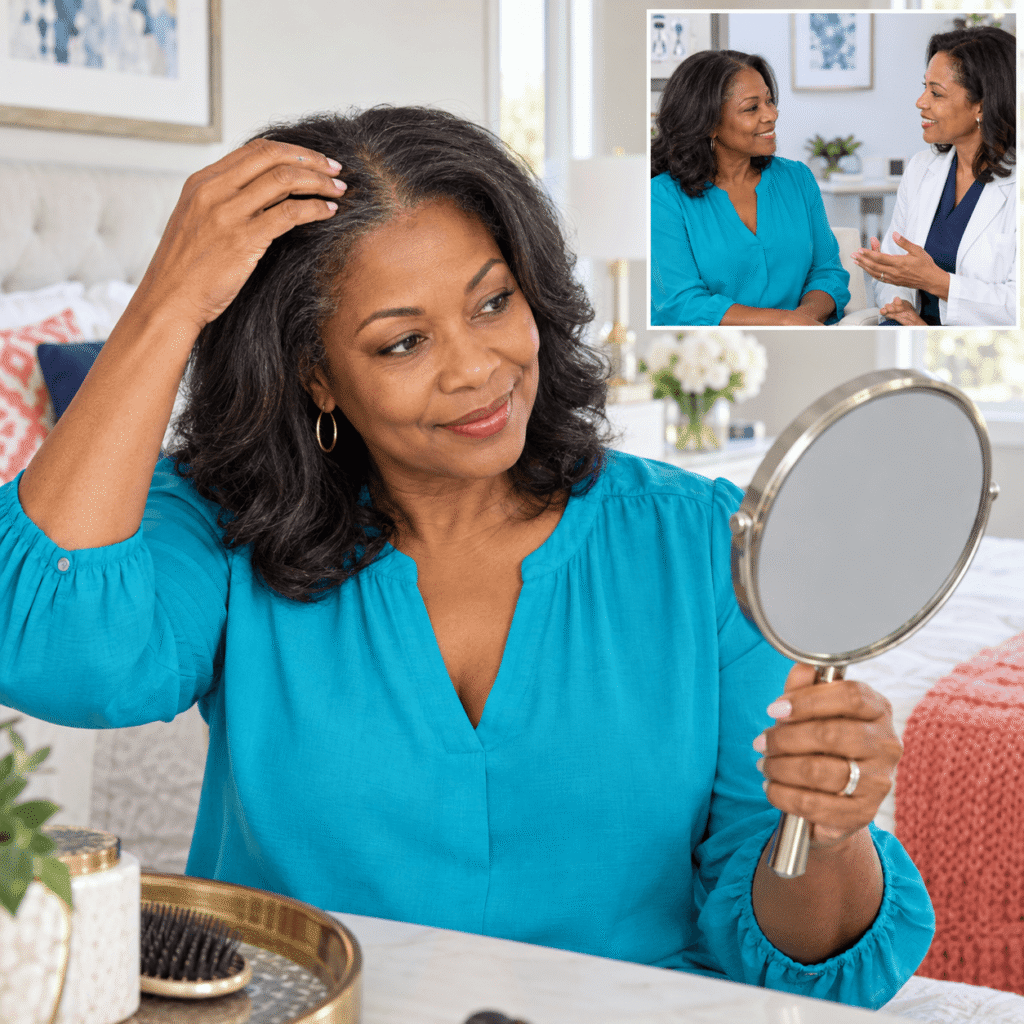
A nails supplement cannot reliably fix a receding hairline. Menopausal hair loss may involve androgen sensitivity, genetics, thyroid dysfunction, low iron, illness, stress, medication, or inadequate protein and zinc.
Temple recession, a widening part, or progressive thinning hair may indicate female pattern hair loss. Biotin for hair cannot reverse follicle miniaturization. A healthcare provider or dermatologist may recommend blood tests and evidence-based treatments rather than relying only on supplements for hair.
Supplement Evidence Remains Uneven
| Option | Proposed Role | Evidence | Important Limitation |
|---|---|---|---|
| Biotin | Supports metabolic reactions linked to keratin tissue | Limited benefit reported for brittle nails | Strongest rationale is confirmed or likely deficiency |
| Silica | May support collagen and hair strength | Small human studies show possible benefits | Products use different chemical forms and doses |
| Collagen peptides | Supply amino acids for connective tissue | Preliminary nail and skin findings | Evidence is often industry funded |
| Zinc | Supports cell division and protein synthesis | Helpful when zinc deficiency exists | Excess can cause copper deficiency |
| Vitamin C | Supports collagen synthesis | Essential nutrient with clear biological role | More is not proven to accelerate nail growth |
| Minoxidil | Prolongs the follicle growth phase | Established treatment for pattern hair loss | Treats scalp hair, not brittle nails |
Hair skin and nails vitamins often combine biotin, zinc, vitamin C, vitamin E, collagen peptides, hyaluronic acid, and fat-soluble vitamins. More ingredients do not necessarily mean healthier hair and skin. Compare actual doses instead of relying on marketing phrases such as “hair growth accelerator.” This applies to Force Factor Hair Growth Accelerator and similar hair supplements whose formulas may change.
A 2025 Trial Offers Early Evidence

A useful expert angle is a 2025 randomized, double-blind, placebo-controlled study of 105 adults with hair, skin, and nail concerns. Participants received placebo, plant-derived biotin, or biotin with bamboo-derived silica for 90 days. The combination improved several measurements, including hair thickness, but its nail advantages over biotin alone were not consistently significant (Patel et al., 2025).
This trial is noteworthy, but it was not menopause-specific, lasted only 90 days, included men and women aged 20 to 60, and involved investigators connected to the ingredient companies. It supports further research, not a universal treatment claim.
A Safe Nail Health Protocol Works Gradually
- Photograph your nails in consistent lighting and track splitting for eight weeks.
- Eat adequate protein and include biotin-rich foods, vitamin C, iron, and zinc sources.
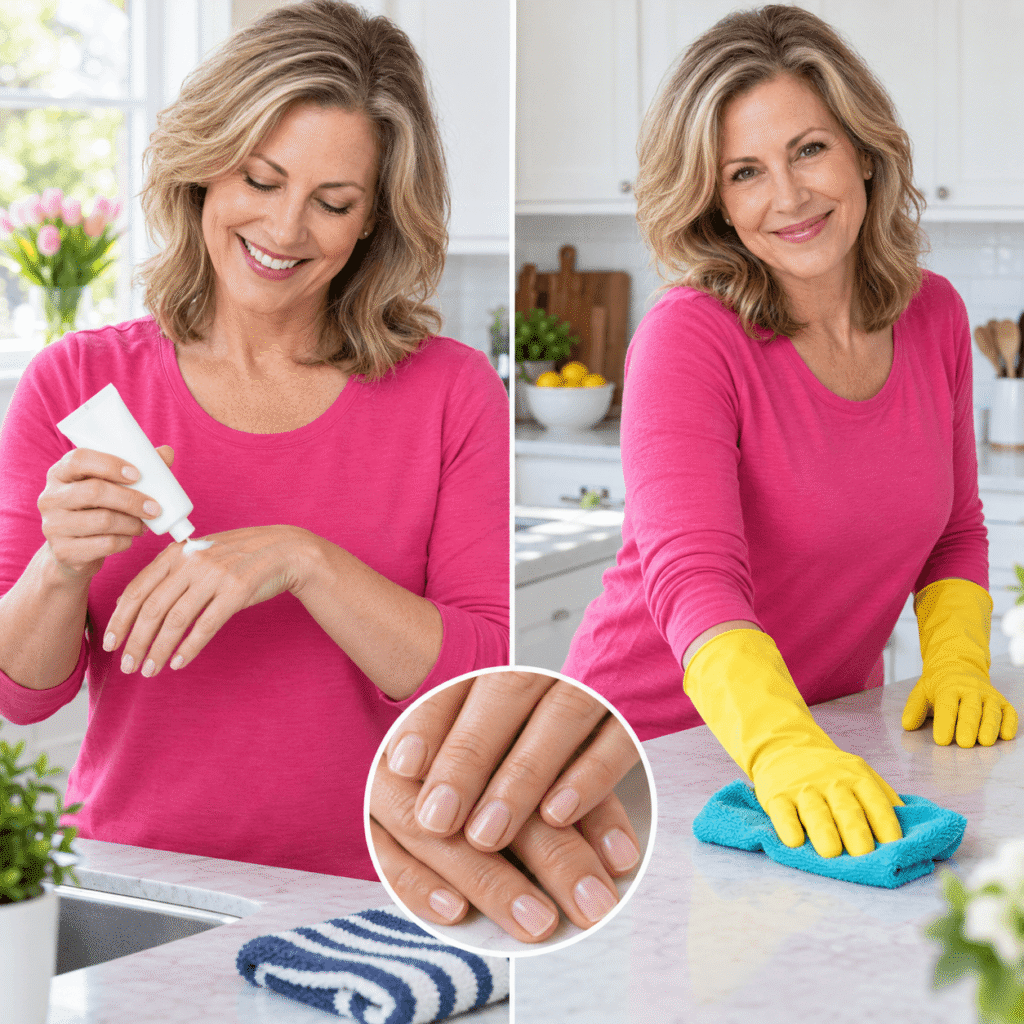
- Apply fragrance-free hand cream or petroleum jelly after washing. Wear gloves for cleaning and prolonged water exposure.
- Avoid aggressive buffing, acetone overuse, nail hardeners containing formaldehyde, and repeated gel removal.
- Before taking biotin, ask your healthcare provider whether thyroid, ferritin, blood count, zinc, or other testing is appropriate.
- If supplementation is justified, use the clinician-approved dose rather than automatically choosing high-dose hair and skin products. Nail growth is slow, so assess results after three to six months.
- Tell your clinician and laboratory that you are taking biotin before any blood test. Follow their instructions about when to stop it.
Frequently Asked Questions
Will High-Dose Biotin Cause Menopause Acne?
Some people report breakouts while taking biotin, but controlled evidence that biotin directly causes menopause acne is weak. High doses may create an unintended nutrient imbalance or coincide with other skin issues. Stop the product and consult a healthcare provider if acne or another reaction develops.
Does Silica Strengthen Hair And Nails?
Silica may support collagen, hair thickness, stronger nails, and skin hydration simultaneously, but evidence remains preliminary. Benefits depend on the silica form, dose, baseline nutrient status, and cause of the symptoms. It will not treat hormonal follicle miniaturization or every cause of brittle nails.
How Long Do Hair Supplements Take?
Hair supplements usually require at least three to six months to show visible change because healthy hair growth follows a slow cycle. They cannot be expected to fix a receding hairline caused by female pattern hair loss. Seek assessment promptly if hair thinning is rapid, patchy, painful, or accompanied by scalp inflammation.
Is Horsetail Or Bamboo Silica Better?
Bamboo commonly provides a concentrated silica extract, while horsetail naturally contains silica but may also contain unwanted compounds. There is insufficient independent evidence proving that one source consistently produces thicker hair or stronger nails. Choose third-party-tested products and discuss horsetail with a clinician, especially if you take medication.
Can Biotin Distort Menopause Blood Tests?

Yes, taking biotin can interfere with certain laboratory assays, including some thyroid and troponin tests. The Food and Drug Administration warns that interference can produce incorrect results and may go undetected (FDA, 2022). Always disclose biotin supplements before bloodwork.
Continue Your Journey
Brittle nails deserve care, but simultaneous nail changes and hair thinning can reveal a broader hormonal, nutritional, or medical issue. Continue with our main guide: Why Is My Hair Thinning At The Temples, And How Do I Stop Menopause Hair Loss?
Your Second Spring is not about chasing every supplement trend. It is about making informed Wise Woman choices that support healthy hair, resilient nails, and whole-body wellbeing.
References
- Patel DP, Swink SM, Castelo-Soccio L. “A Review of the Use of Biotin for Hair Loss.” Skin Appendage Disorders. 2017;3(3):166–169. doi:10.1159/000462981.
- Patel MN, Maheshvari J, Patel N. “The Role of Sesbania grandiflora-Derived Biotin and Bambusa arundinacea-Derived Silica Extracts in Promoting Hair, Skin, and Nail Health.” Cureus. 2025. ClinicalTrials.gov identifier: NCT05972512.
- Araújo LA, Addor F, Campos PMBG. “Use of Silicon for Skin and Hair Care: An Approach of Chemical Forms Available and Efficacy.” Anais Brasileiros de Dermatologia. 2016;91(3):331–335. doi:10.1590/abd1806-4841.20163986.
- Chessa MA, Iorizzo M, Richert B, et al. “Pathogenesis, Clinical Signs and Treatment Recommendations in Brittle Nails.” Dermatology and Therapy. 2020;10:15–27. doi:10.1007/s13555-019-00338-x.
- U.S. Food and Drug Administration. “Biotin Interference with Troponin Lab Tests.” Updated June 21, 2022.