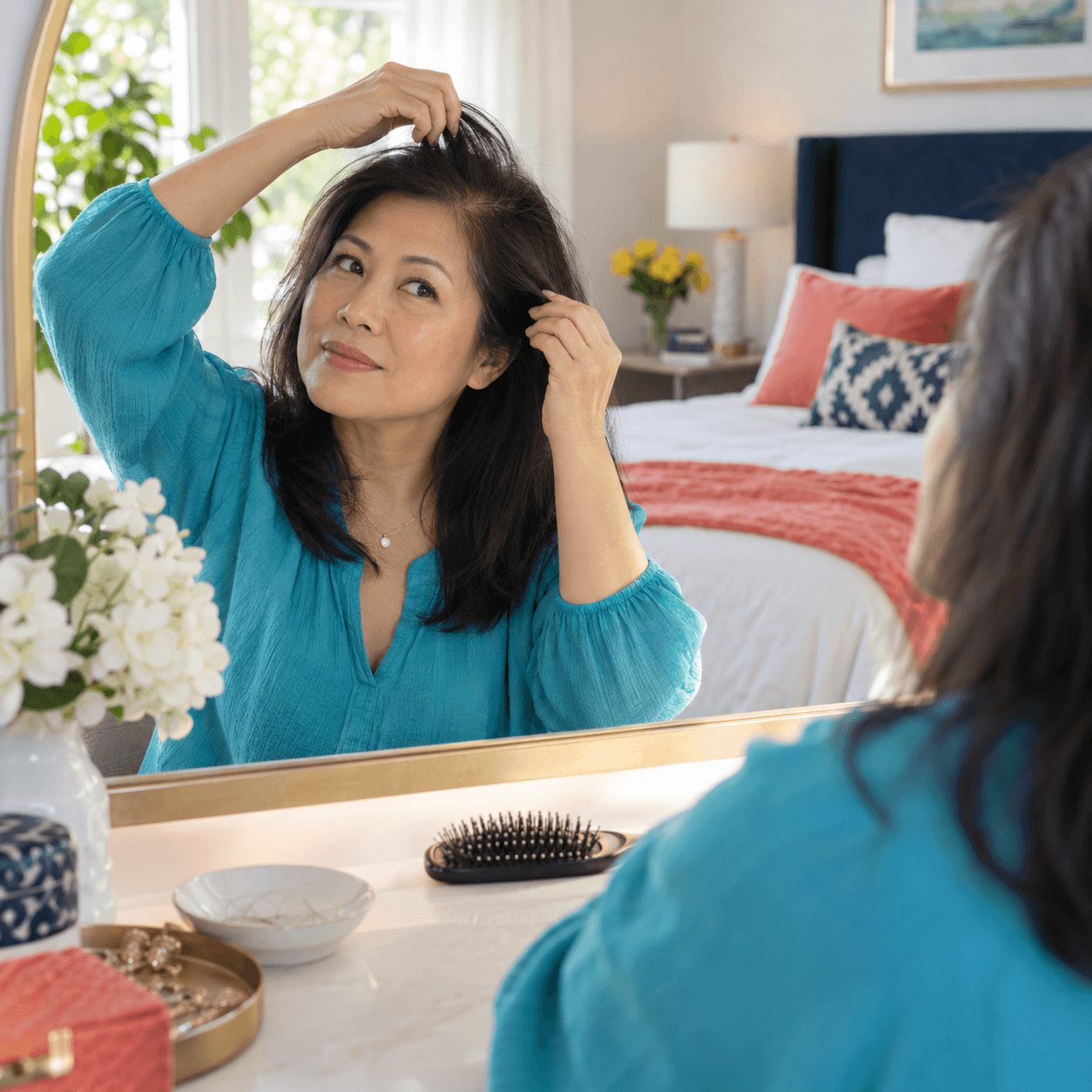
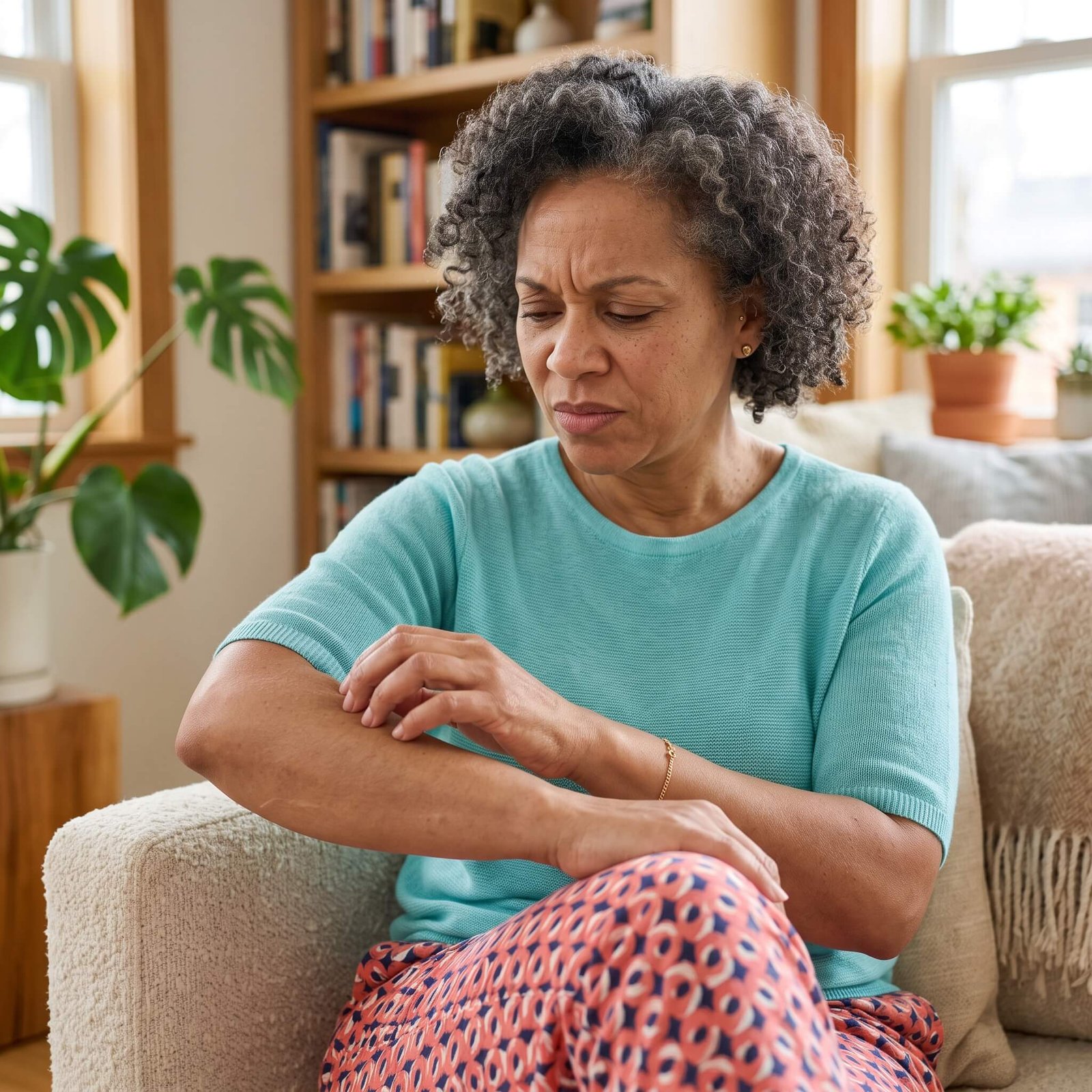
Combat menopause thinning hair, skin dryness, and brittle nails. Discover science-backed routines to restore your glow at Progress Tribe. As estrogen levels decline during perimenopause and menopause, collagen production rapidly drops, leading to noticeable changes in skin elasticity, hair volume, and nail strength. From hormonal breakouts and dry skin to thinning hair and brittle nails, these physical shifts are a natural part of the transition. At Progress Tribe, our Menopause Hair, Skin, and Nails hub offers expert guidance, targeted skincare strategies, and nutritional support to nourish your body from within. Restore vitality, protect your skin barrier, and maintain strong, healthy hair through every stage.
The 60-Second Answer Menopause and skin aging are connected in part to declining estrogen, which can affect collagen production, skin thickness, hydration, and elasticity. Sleep, nutrition, hydration, and sun exposure may also influence skin health, but habits do not affect everyone the same way. Gentle skin care and daily sun…
The 60-Second Answer Yes, zinc deficiency can worsen hair shedding and impair skin repair during menopause. Zinc supports protein production, cell division, and normal follicle function, while declining estrogen contributes to skin thinning. However, zinc for menopause hair loss primarily helps when deficiency exists; extra zinc does not reliably reverse…
The 60-Second Answer You may have menopause hair loss if your part slowly widens. A thyroid disorder may cause more hair to shed across your scalp, along with tiredness or feeling cold. But menopause hair loss vs thyroid hair thinning can overlap. A scalp exam and thyroid blood tests can…
The 60-Second Answer What causes premature aging in women over 40? Smoking, lack of sleep, chronic stress, poor nutrition, excessive alcohol, UV exposure, and dehydration can contribute to visible signs of aging. During perimenopause and menopause, declining estrogen also affects collagen production, skin hydration, and elasticity. A healthy lifestyle and…
The 60-Second Answer To fade menopause age spots naturally, protect your skin every day with broad-spectrum SPF 30 or higher. Add gentle vitamin C, niacinamide, aloe vera, moisturizer, and limited exfoliation to your skin care routine. These steps may help lighten dark spots gradually, but they cannot remove every spot.…
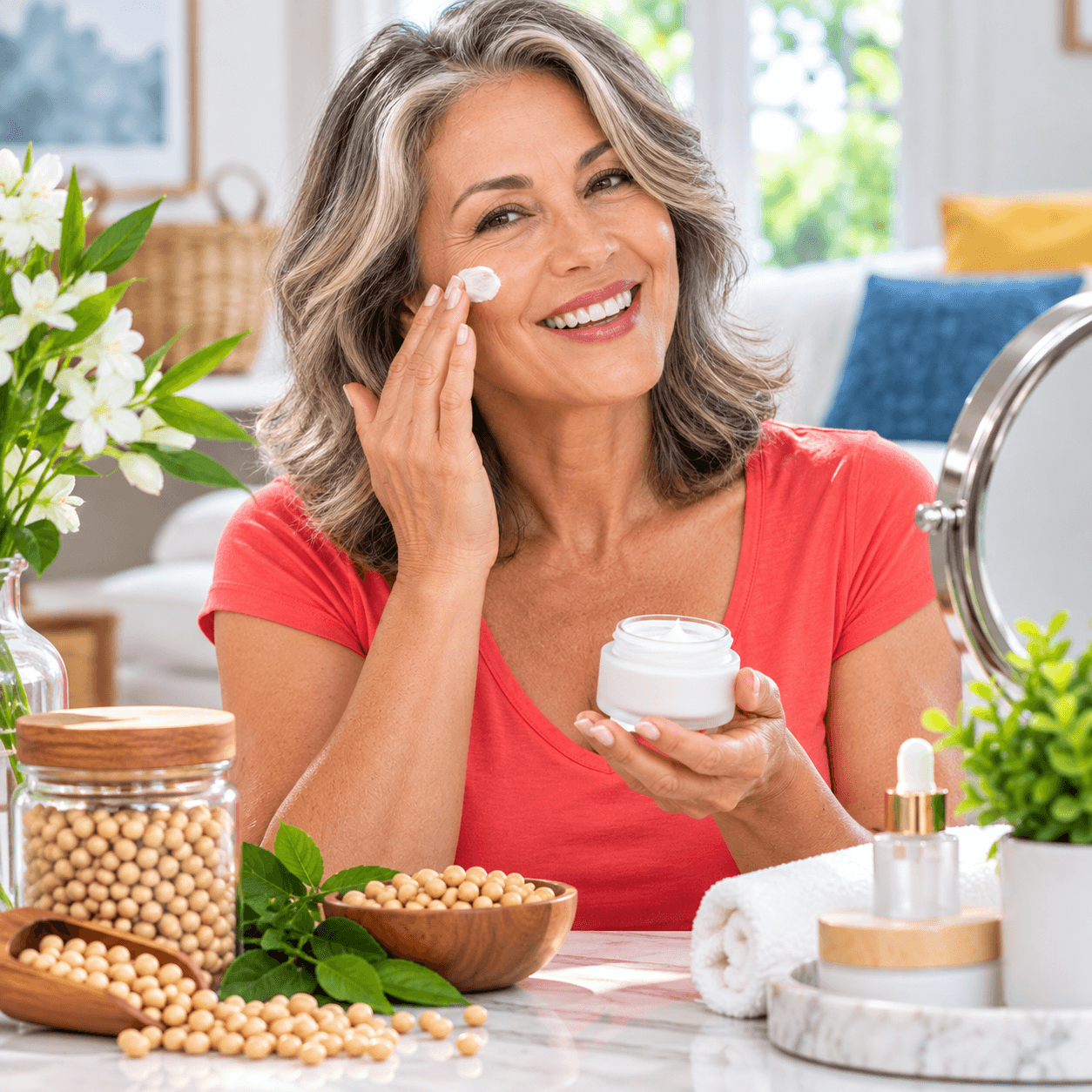
The 60-Second Answer Phytoestrogen face creams are facial moisturizers made with plant-based ingredients, such as soy isoflavones. These ingredients can weakly connect with estrogen receptors in the skin. Small studies show they may reduce dryness and soften fine wrinkles, but results vary. They work slowly and are not as well…
The 60-Second Answer: Menopause dry skin happens as lower estrogen reduces natural oils, moisture, and collagen. If you’re asking, “how do i treat menopause dry skin,” start with a fragrance-free moisturizer and shorter, lukewarm showers. Wear sunscreen daily to protect your skin’s collagen. Skin may feel firmer with good care,…
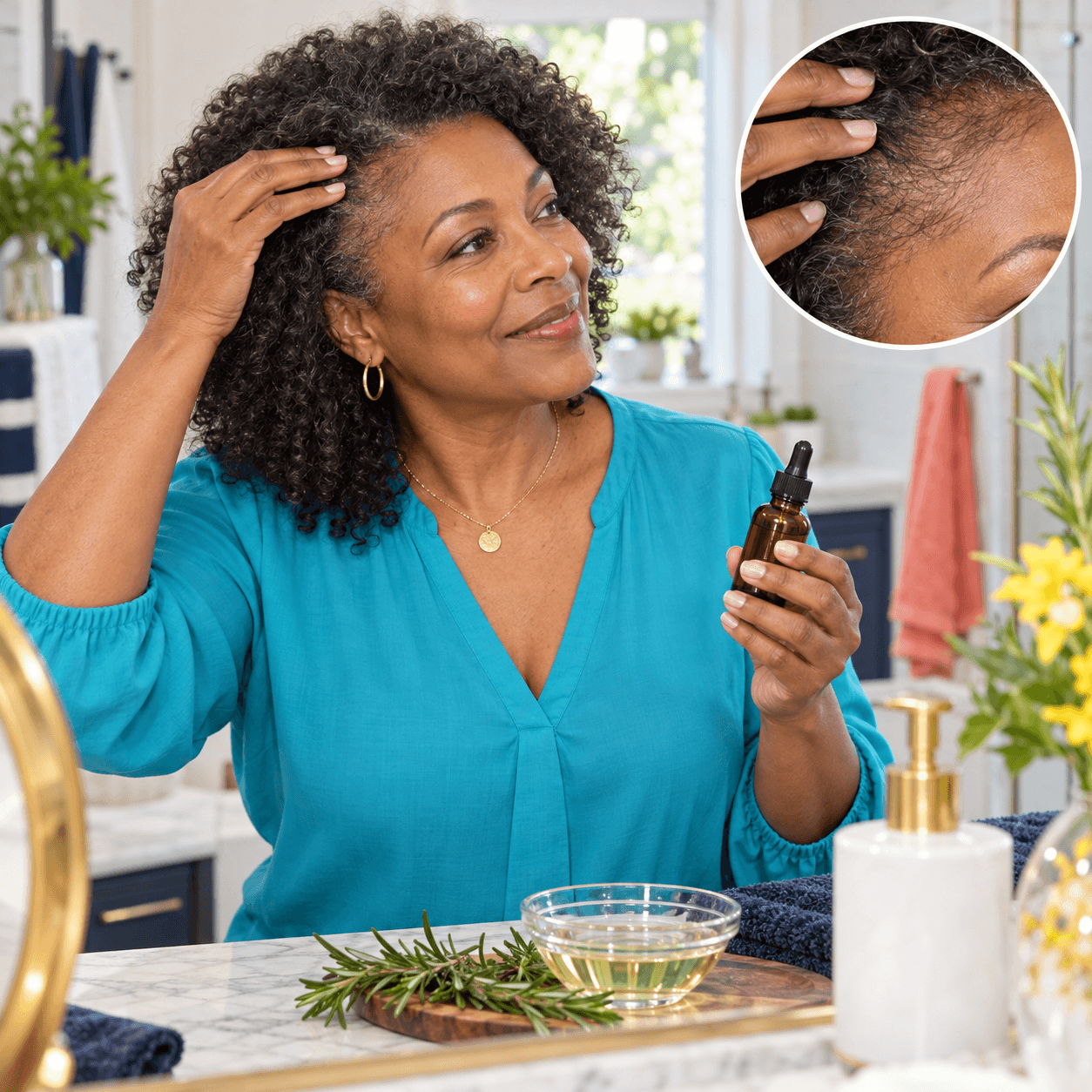
The 60-Second Answer Yes, rosemary oil for menopause hair loss may modestly support regrowth when thinning is caused by female pattern hair loss. One small clinical trial found results comparable to 2% minoxidil after six months. However, rosemary oil cannot correct thyroid disease, nutrient deficiencies, scarring alopecia, or other underlying…
The 60-Second Answer Hair thinning at the temples during menopause often happens because falling estrogen affects the hair growth cycle and makes follicles more sensitive to androgens. Stress, low iron, thyroid problems, and tight hairstyles may also contribute. See a dermatologist, eat enough protein and iron, avoid tight styles, and…
The 60-Second Answer During menopause, changing estrogen levels can affect your skin and nerves, creating a crawling, tingling, or prickling feeling called formication. Dry skin, stress, poor sleep, vitamin deficiencies, or other health problems may worsen it. See your doctor if it continues, becomes painful, or causes numbness, weakness, or…