The 60-Second Answer:
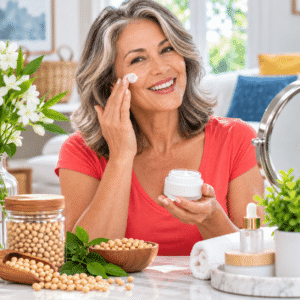
Menopause dry skin happens as lower estrogen reduces natural oils, moisture, and collagen. If you’re asking, “how do i treat menopause dry skin,” start with a fragrance-free moisturizer and shorter, lukewarm showers. Wear sunscreen daily to protect your skin’s collagen. Skin may feel firmer with good care, but creams cannot fully restore lost elasticity. A dermatologist can help you choose options that fit your needs. Wear broad-spectrum SPF 30 daily, and limit hot showers and harsh scrubs. A retinoid may improve fine lines, but start slowly and ask a dermatologist about lasting irritation first.
Why Menopause Causes Dry Skin
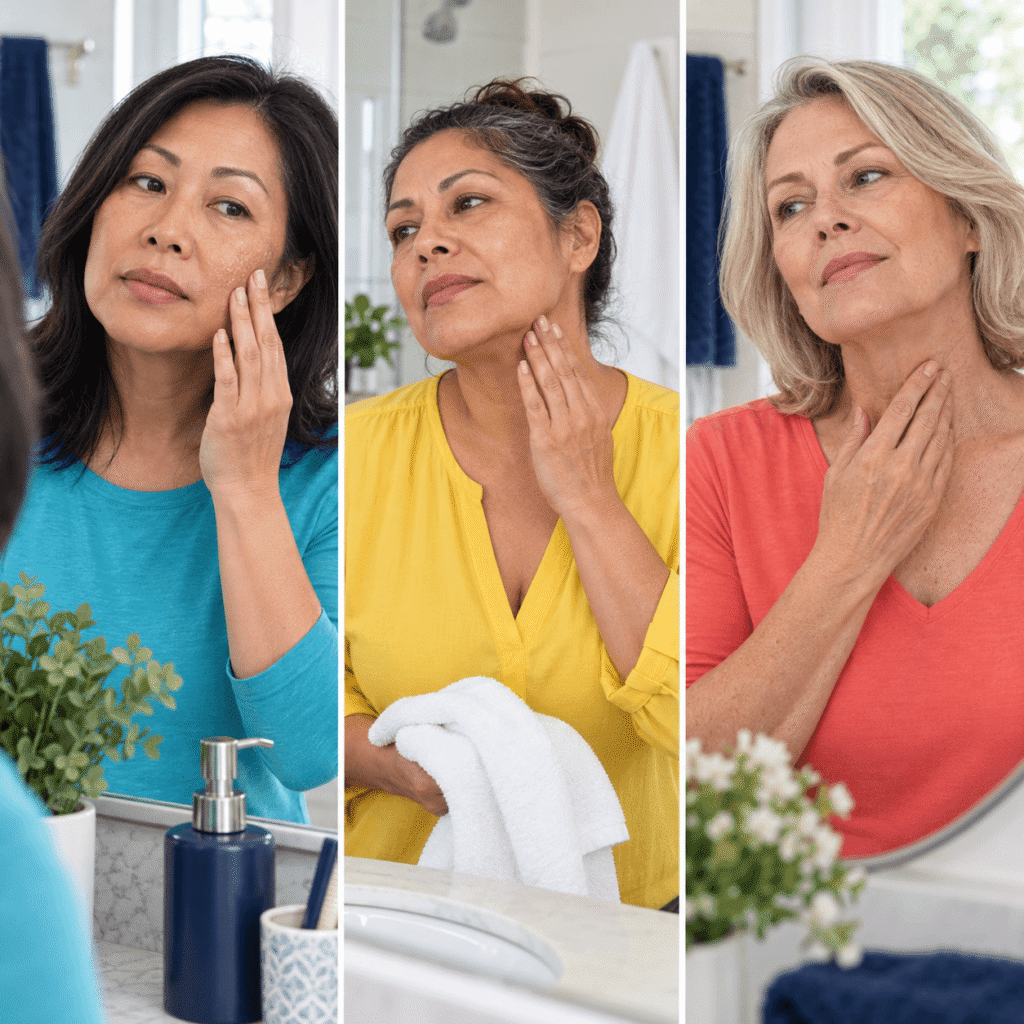
Skin that suddenly feels tight, flaky, sensitive, or less firm is a common concern during perimenopause and menopause. These changes are real, but they do not mean that healthy, comfortable skin is beyond your reach.
Effective treatment has two goals: repair the skin barrier that controls moisture loss and protect the collagen that supports facial elasticity. Hormonal changes cannot be reversed by a cosmetic product, but consistent skincare can reduce dryness, irritation, wrinkles, and preventable sun damage.
Hormone Loss Alters Skin Structure
Skin cells, sebaceous glands, blood vessels, and collagen-producing fibroblasts contain hormone receptors. When estrogen levels fall, signals supporting collagen production, skin thickness, natural oils, and water-binding molecules become weaker.
Progesterone also declines, although its independent effect on menopausal skin is less clearly understood. The larger metabolic shift of aging, inflammation, sleep disruption, and reduced nervous system regulation may further affect skin repair. Hot flashes can increase temporary redness and sweating without correcting deeper skin hydration.
Research suggests skin collagen may decline by as much as 30% during the first five years after menopause. An older longitudinal study found that skin collagen and thickness continued declining by approximately 1% to 2% annually after menopause (Brincat et al., 1987). Genetics, ultraviolet exposure, smoking, nutrition, and the number of years since menopause all influence the rate.
Estrogen Loss Weakens The Skin Barrier
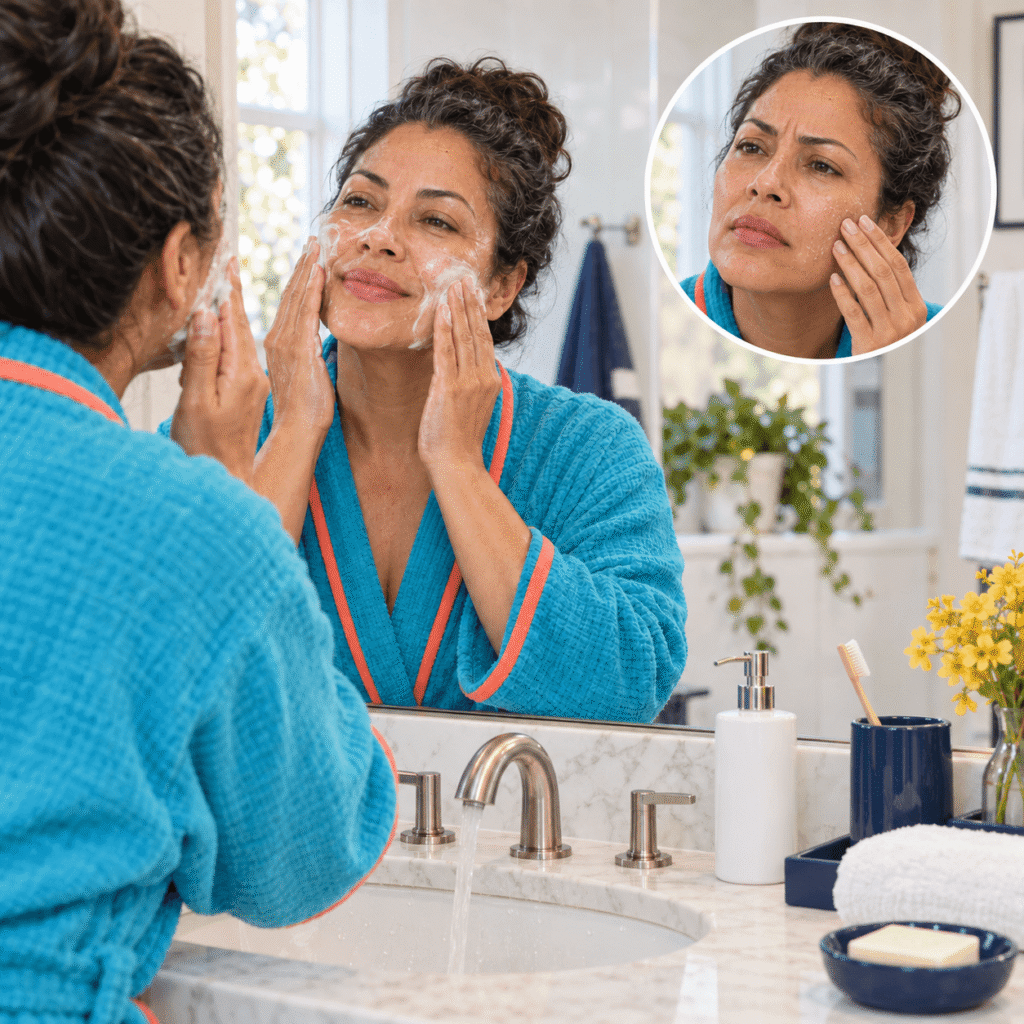
The outer skin barrier consists of dead skin cells surrounded by protective lipids. Think of the cells as bricks and the lipids as mortar. When that barrier becomes depleted, water escapes more easily and irritants penetrate more readily.
This explains why skin during menopause may become dry and itchy even when you drink enough water. Harsh soap, fragranced lotion, long hot showers, low humidity, and aggressive exfoliation can dry out your skin further.
Collagen Loss Reduces Facial Elasticity
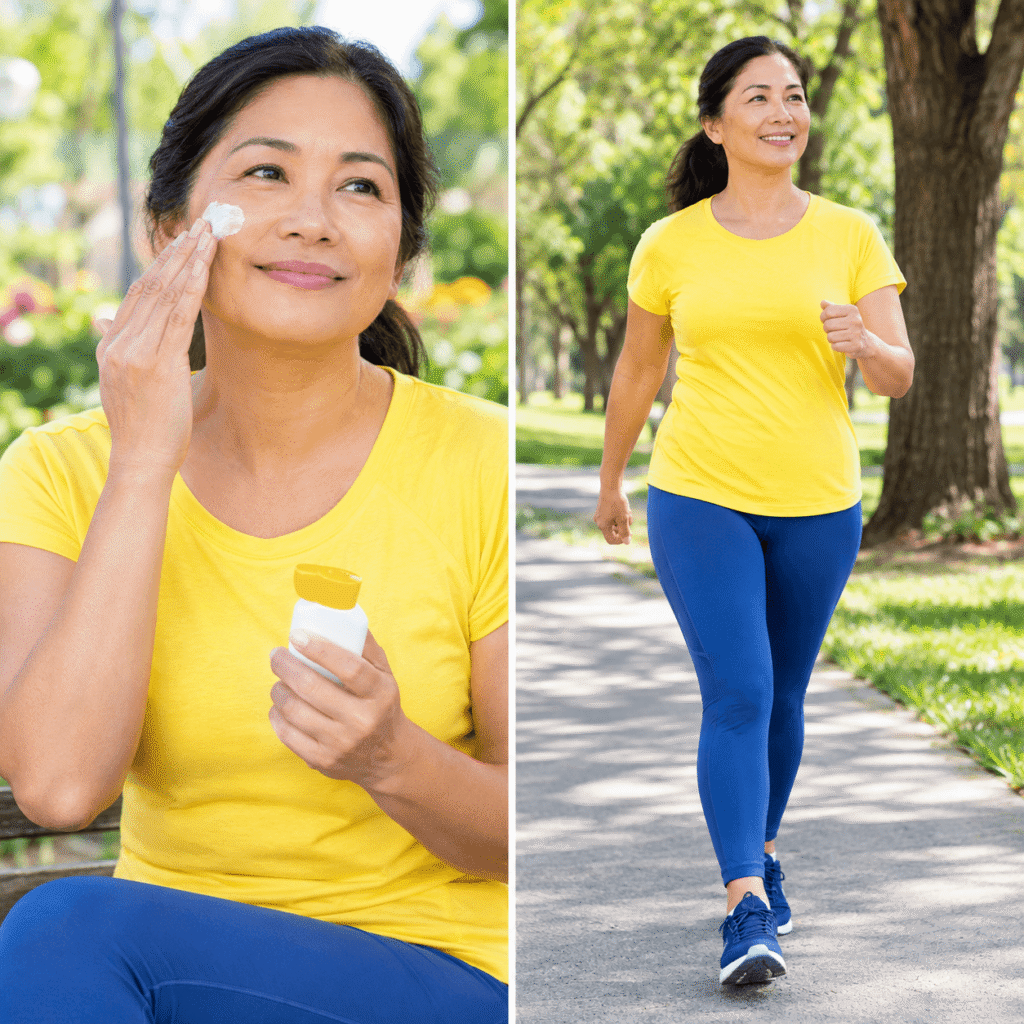
Collagen gives the skin strength, while elastin helps it return to position after stretching. Reduced collagen in your skin contributes to fine lines, deeper wrinkles, thinning, and facial laxity. Ultraviolet radiation accelerates this process by activating enzymes that break down the skin’s supporting matrix.
Menopause changes your skin, but sun exposure remains one of the most controllable causes of collagen damage. Broad-spectrum sunscreen helps prevent premature wrinkles, sagging, sunburn, and skin cancer (American Academy of Dermatology).
Dry Skin Treatments Have Different Roles
| Treatment | Primary Function | Best Use | Important Limitation |
|---|---|---|---|
| Ceramide cream | Repairs barrier lipids | Dry, sensitive menopausal skin | Must be used consistently |
| Petrolatum ointment | Reduces water loss | Very dry or flaky areas | May feel heavy on acne-prone skin |
| Humectant lotion | Attracts water | Mild daily dryness | Needs an emollient or occlusive layer |
| Retinoid | Supports cell turnover and collagen | Wrinkles and photoaging | May initially cause irritation |
| SPF 30 sunscreen | Limits ultraviolet damage | Daily collagen and cancer protection | Requires adequate application and reapplication |
Moisturizer Repairs Menopausal Skin
A cream or ointment generally retains moisture better than a thin lotion. Useful ingredients include ceramides, glycerin, hyaluronic acid, petrolatum, squalane, and dimethicone. Natural oils can soften skin, but oils alone do not provide every component needed for barrier repair.
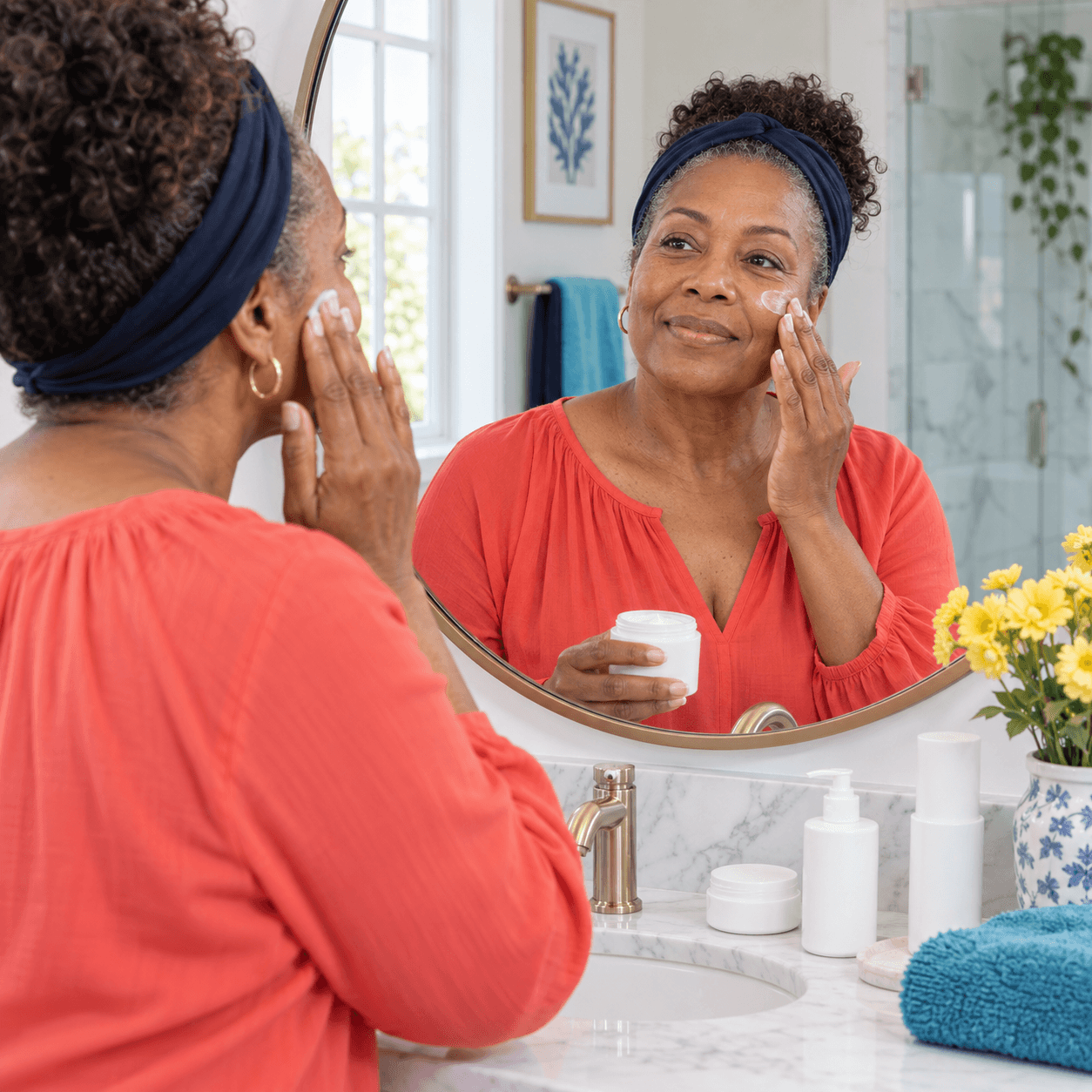
Apply moisturizer while the skin is slightly damp. This traps water near the surface and may relieve dry skin more effectively than applying it long after cleansing.
If skin becomes more sensitive, choose fragrance-free rather than merely unscented products. Reduce scrubs, cleansing brushes, alcohol-heavy toners, and frequent acids. Removing too many dead skin cells can worsen barrier damage rather than reveal healthier skin.
Retinoids Improve Photoaged Skin
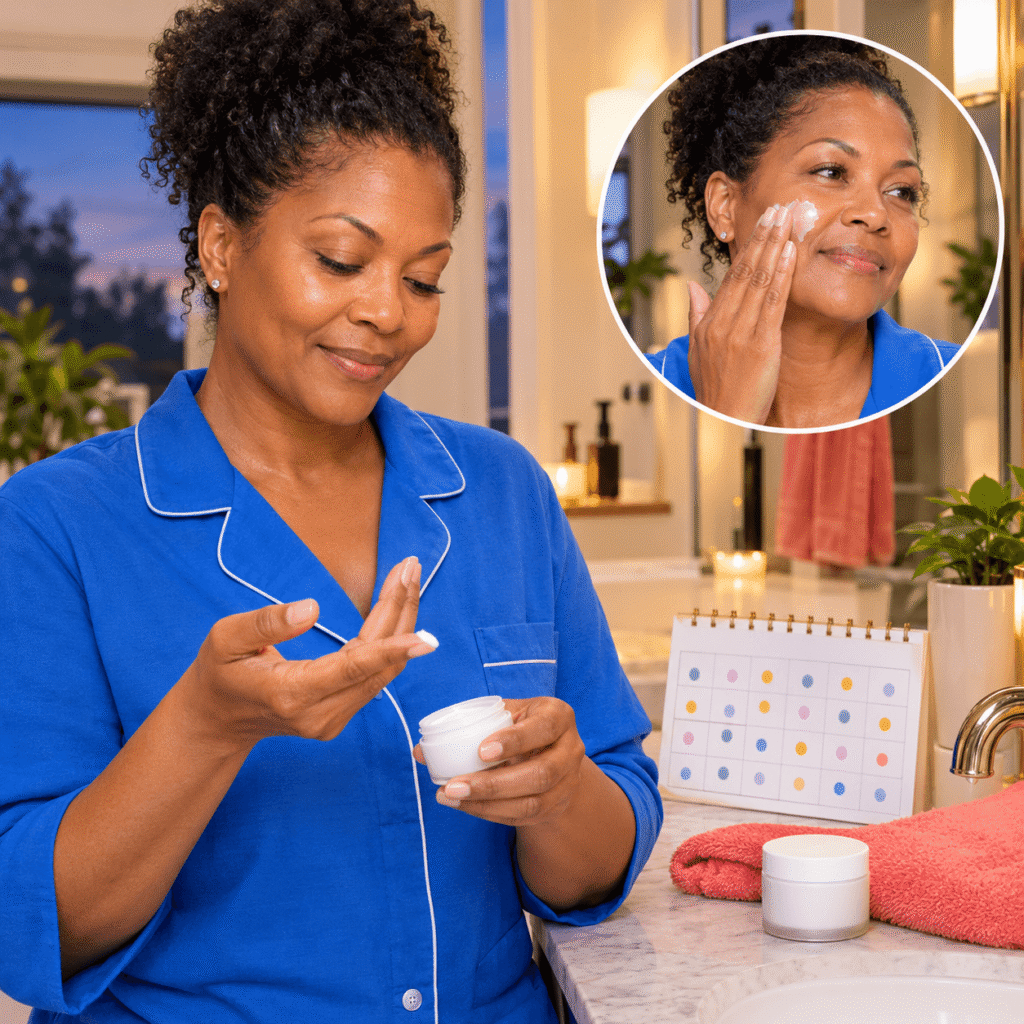
Topical tretinoin has stronger evidence for facial photoaging than most cosmetic ingredients. A 2022 systematic review concluded that long-term tretinoin can improve fine and coarse wrinkles and encourage new collagen formation (Sitohang et al., 2022).
Tretinoin requires a prescription in many countries. Over-the-counter retinol is typically gentler but also less potent. Neither option replaces moisturizer or sunscreen, and both can aggravate dry skin during menopause if introduced too quickly.
A Simple Menopause Skin Protocol
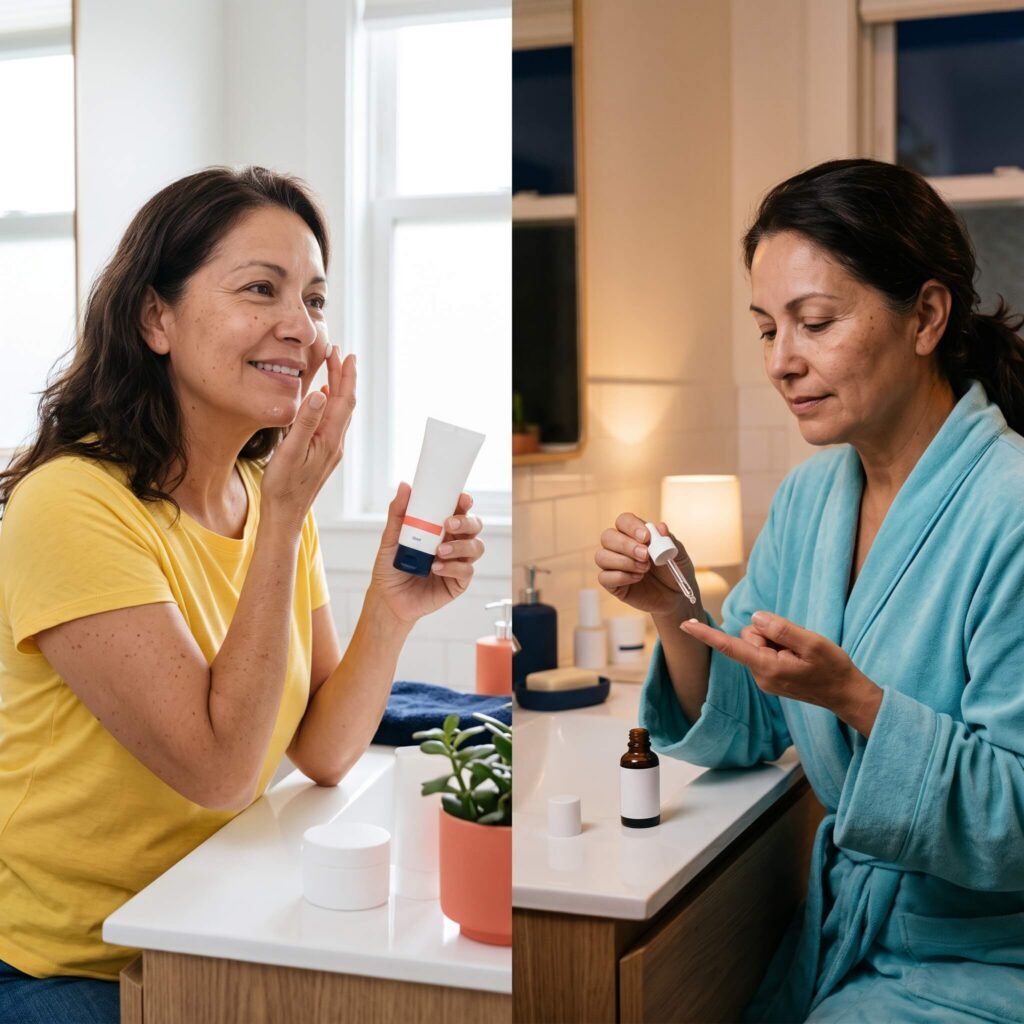
Morning
- Rinse with lukewarm water or use a fragrance-free creamy cleanser.
- Apply a ceramide moisturizer to damp skin.
- Use broad-spectrum, water-resistant SPF 30 or higher. Apply about two finger-lengths to the face and neck, then reapply every two hours outdoors.
Evening
- Remove sunscreen with a gentle cleanser.
- Apply a pea-sized amount of low-strength retinol two nights weekly. Increase slowly only if your skin remains comfortable.
- Follow with moisturizer. Add a thin layer of petrolatum to persistently flaky areas.
Pause retinoids during a flare of eczema, burning, or cracked skin. Prescription tretinoin should be discussed with a dermatologist and avoided during pregnancy. Seek care for severe itchy skin, bleeding, a spreading rash, changing moles, or dryness that persists after four to six weeks.
Expert Care Separates Three Problems
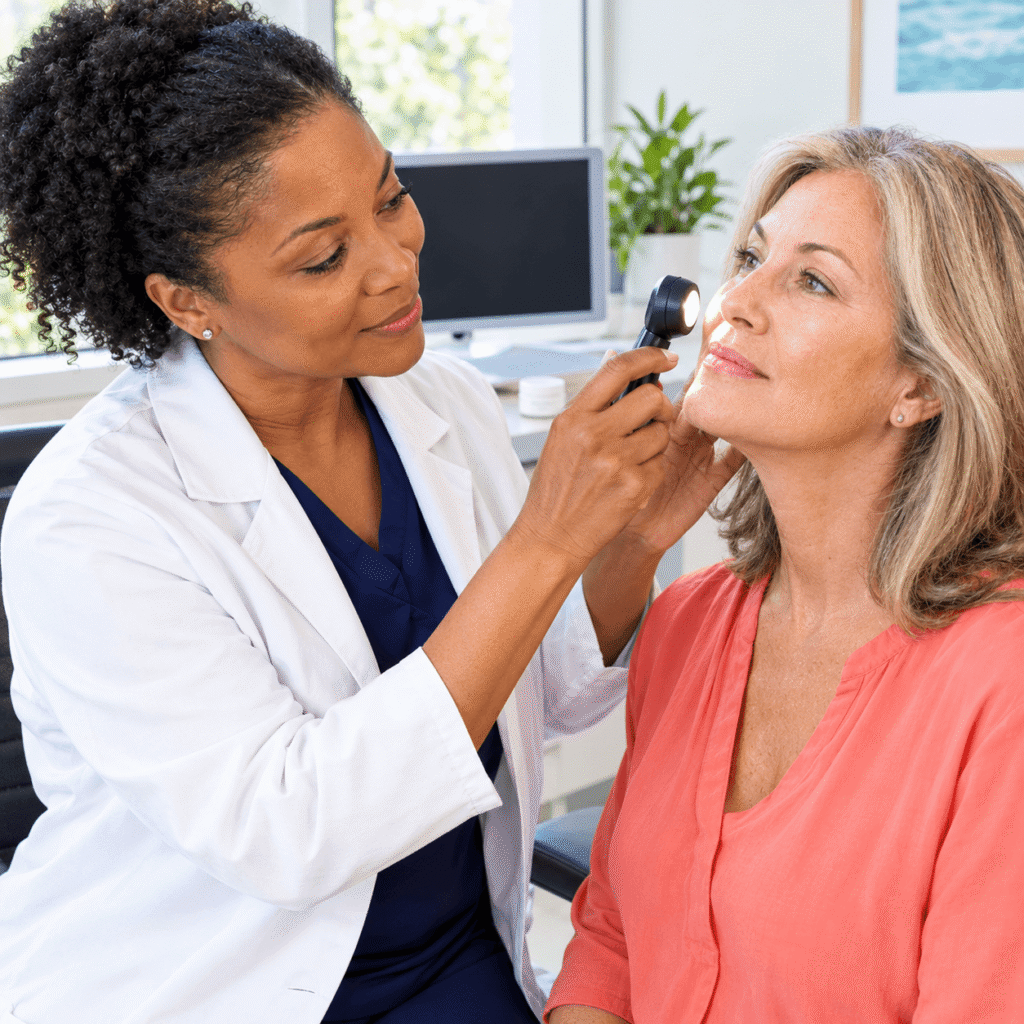
A useful expert angle is to assess barrier dryness, hormonal aging, and ultraviolet damage separately. A 2025 menopause skin review emphasized that collagen changes relate strongly to menopausal age, while chronological aging and sun exposure also contribute (Viscomi et al., 2025).
This distinction prevents a common mistake: treating every wrinkle or skin condition as estrogen deficiency. Menopausal hormone therapy may improve some skin measurements, but it is not prescribed solely as a skin care product. Its overall benefits and risks must be discussed with a qualified clinician.
Your Second Spring can include skin that looks different while remaining healthy, protected, and well cared for. A Wise Woman routine focuses on barrier comfort and evidence-based prevention, not impossible promises of turning back time.
Menopause Dry Skin FAQs
What Helps Dry Skin During Menopause?
A fragrance-free cream containing ceramides, glycerin, or petrolatum can help treat dry skin during menopause. Apply it within several minutes of washing to retain moisture. Avoid hot water, harsh soap, and daily exfoliation while the skin barrier recovers.
Why Is Menopause Skin Dry And Itchy?
Menopause and dry skin are connected through declining estrogen, reduced oil production, and impaired moisture retention. However, eczema, thyroid disease, diabetes, medications, and allergies can also cause dry and itchy skin. Consult a clinician if itching is severe, widespread, persistent, or disrupts sleep.
Can Facial Elasticity Return After Menopause?
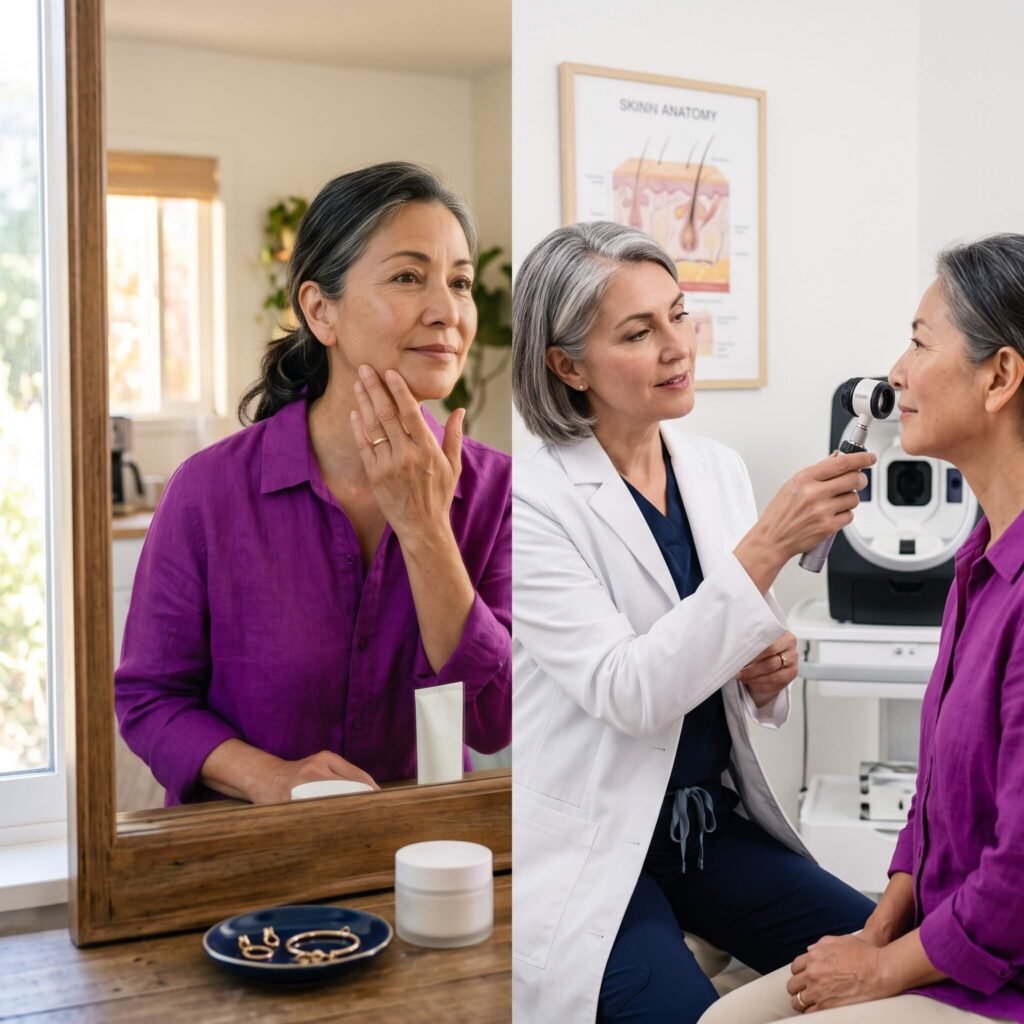
Lost facial elasticity cannot be restored completely with moisturizer, but its appearance can improve. Daily sunscreen helps limit additional collagen damage, while retinoids can gradually improve photoaged skin. Dermatologist-led procedures may offer stronger results but carry costs, recovery time, and side effects.
Which SPF Protects Mature Menopause Skin?
Choose a broad-spectrum, water-resistant sunscreen with SPF 30 or higher for mature skin in menopause. The American Academy of Dermatology recommends sun protection for every skin tone. A moisturizing or tinted formula may feel more comfortable and can help protect skin prone to dryness or dark spots.
Can Perimenopause Cause Acne And Dryness?
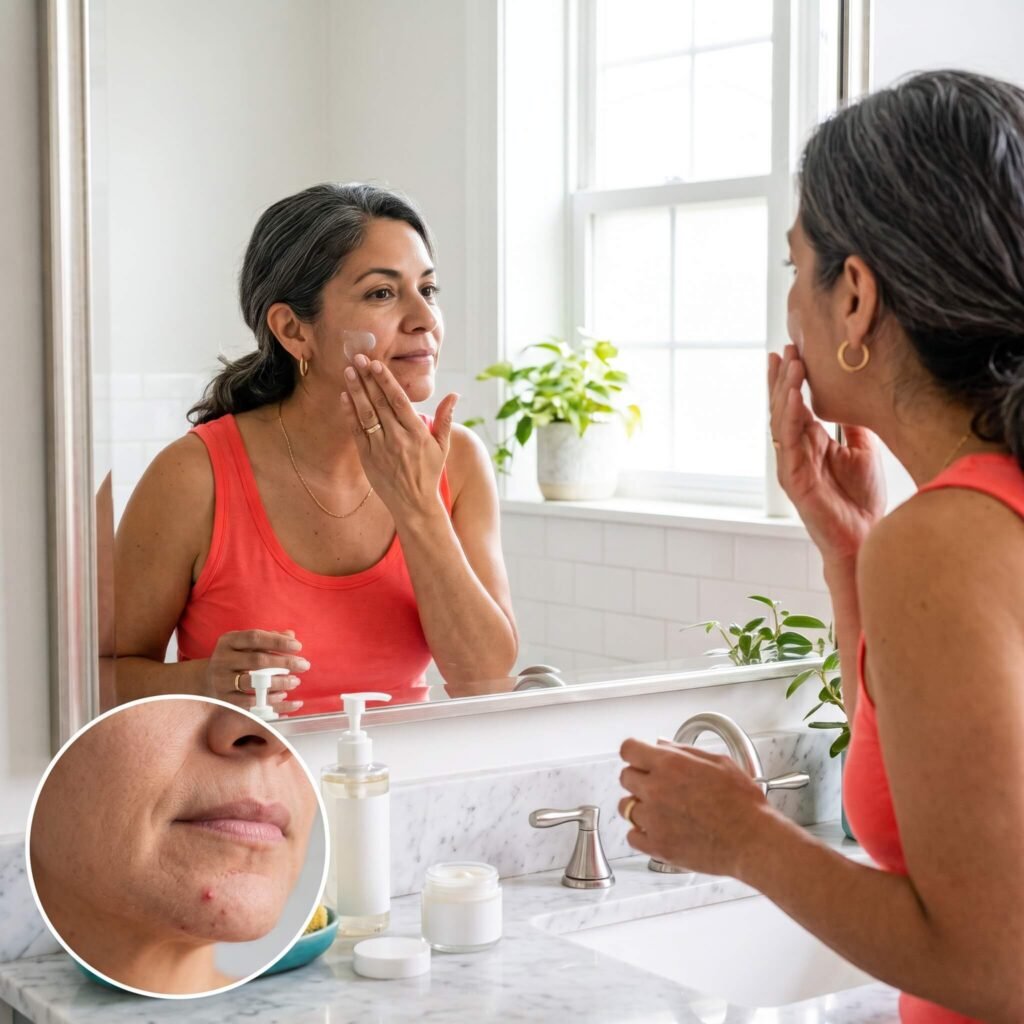
Yes, skin during perimenopause can develop acne and dryness at the same time. Hormonal changes may alter oil distribution while a weakened barrier increases sensitivity. Use noncomedogenic moisturizer and avoid stripping cleansers, which can worsen both skin issues.
References
- Brincat M, Moniz CF, Studd JWW, Darby A, Magos A, Cooper D. “A Study of the Decrease of Skin Collagen Content, Skin Thickness, and Bone Mass in the Postmenopausal Woman.” Obstetrics and Gynecology. 1987;70(6):840-845.
- Thornton MJ. “Estrogens and Aging Skin.” Dermato-Endocrinology. 2013;5(2):264-270. doi:10.4161/derm.23872.
- Zouboulis CC, Blume-Peytavi U, Kosmadaki M, et al. “Skin, Hair and Beyond: The Impact of Menopause.” Climacteric. 2022;25(5):434-442. doi:10.1080/13697137.2022.2050206.
- Sitohang IBS, Sirait SAP, Suryanegara J. “Topical Tretinoin for Treating Photoaging: A Systematic Review of Randomized Controlled Trials.” International Journal of Women’s Dermatology. 2022;8(1):e003. doi:10.1097/JW9.0000000000000003.
- Viscomi B, Pillai S, Raghavan SS. “Managing Menopausal Skin Changes: A Narrative Review of Current Evidence and Emerging Therapies.” Clinical, Cosmetic and Investigational Dermatology. 2025.
- American Academy of Dermatology Association. “Sunscreen FAQs.” Broad-spectrum, water-resistant SPF 30 or higher guidance. Accessed September 8, 2026.