The 60-Second Answer
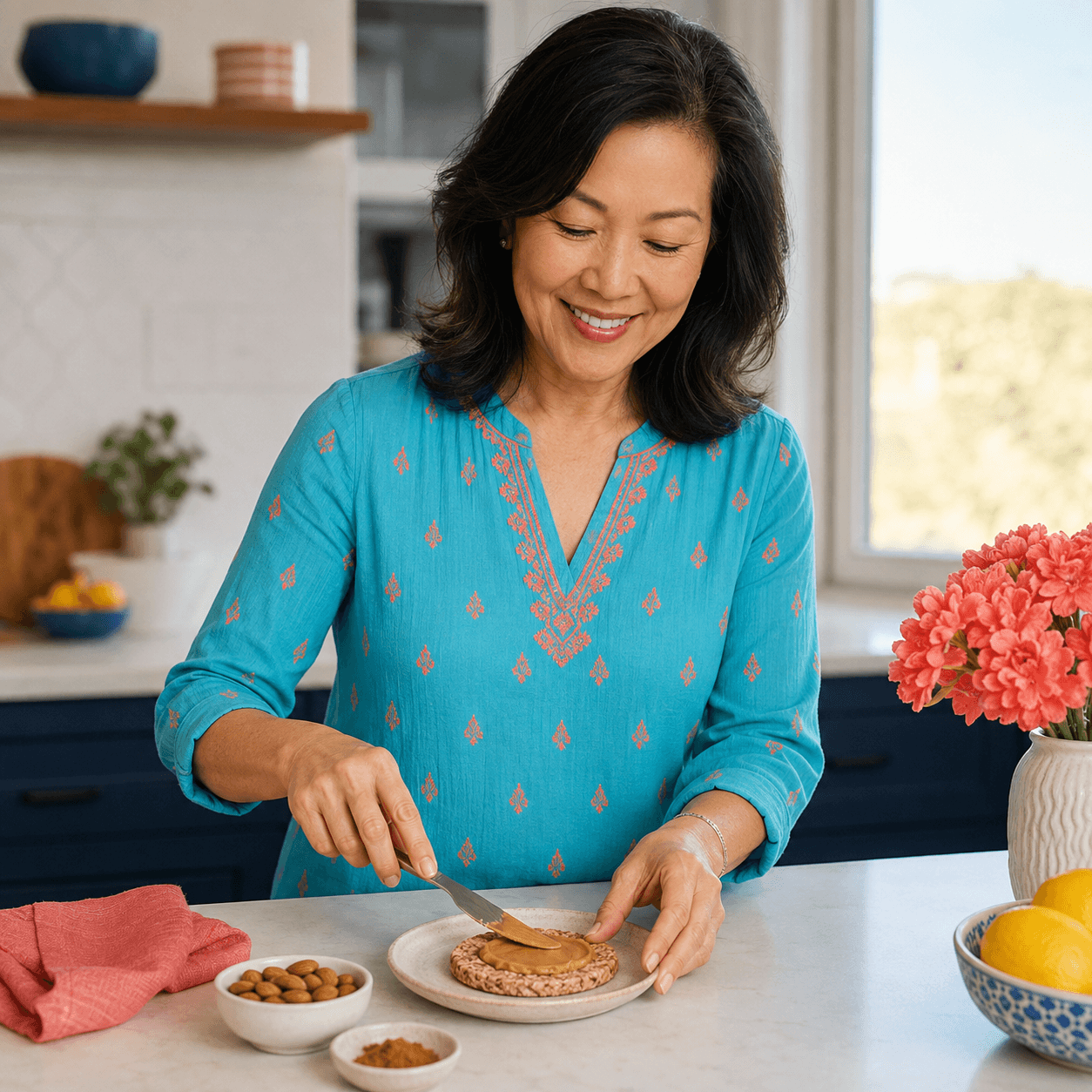
The best bedtime snack for menopause sleep is one small oatcake with 1 tablespoon of unsweetened almond butter, eaten about an hour before bed. Its fiber, complex carbohydrate, protein, magnesium, and healthy fat may stabilize blood sugar and prevent hunger, although no snack can treat hormonal insomnia by itself.
The Best Bedtime Snack For Menopause
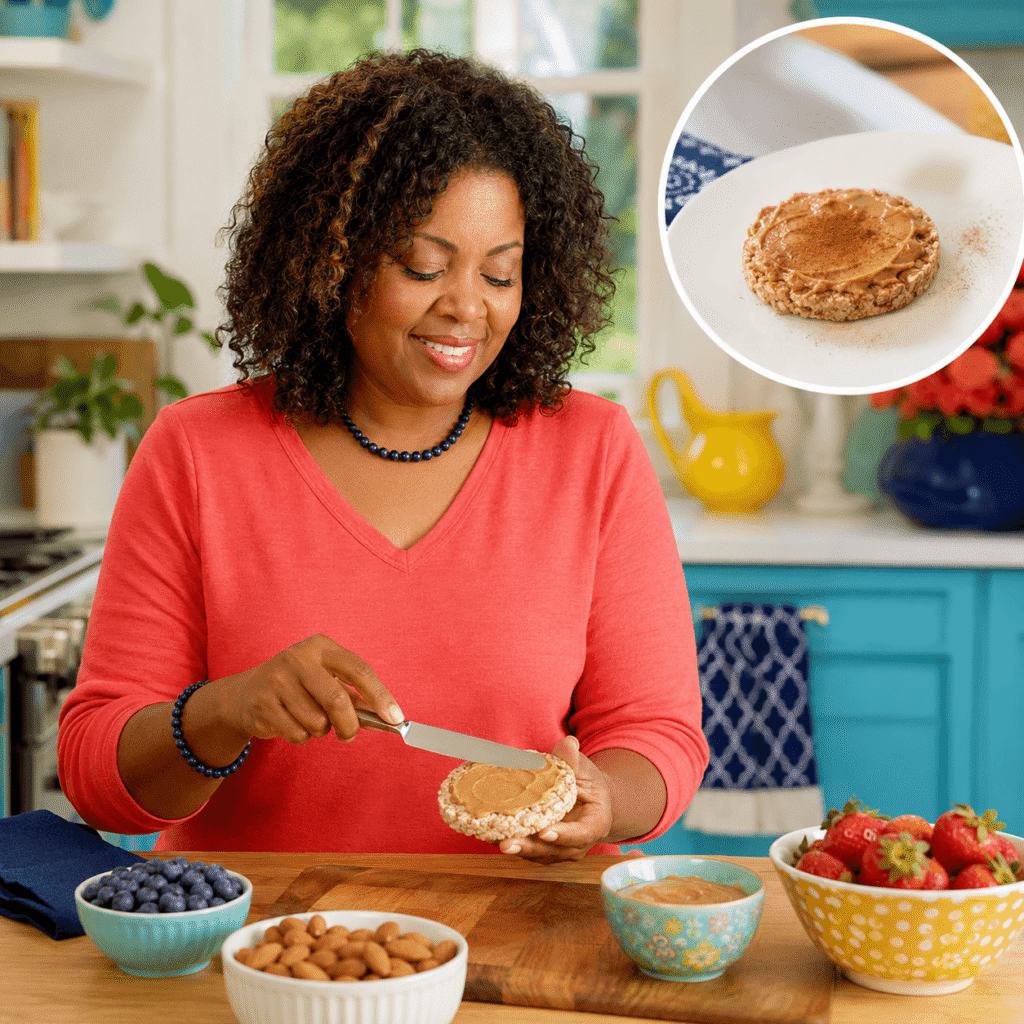
Oatcakes with almond butter are a practical first choice for women struggling with sleep. The oatcake supplies a modest amount of complex carbohydrate, while almond butter provides protein, healthy fat, and magnesium. Together, they digest more gradually than high-sugar snacks and may help you avoid going to bed hungry.
This combination is not a proven cure for sleep disruption during menopause. Direct clinical trials comparing menopause bedtime snacks are lacking. It is best viewed as a low-risk dietary experiment for women who wake hungry or notice that light evening meals precede nighttime waking.
A suitable serving is:
- One plain, whole-grain oatcake
- One tablespoon of unsweetened almond butter
- Optional cinnamon, without added sugar
Choose almond butter containing almonds and little or no added sugar. If oatcakes are unavailable, use one small whole-grain cracker.
Hormonal Changes Alter Sleep Mechanisms
During perimenopause and menopause, fluctuating and declining estrogen and progesterone can change sleep architecture, temperature control, mood, and nervous system regulation. Hormone receptors for estrogen are present in brain regions involved in circadian rhythms and sleep.
Progesterone metabolites also interact with GABA-related pathways that normally promote calmness. As these hormones fluctuate, some women experience increased nighttime arousal, shorter sleep duration, or difficulty returning to sleep. A 2025 narrative review concluded that hormonal fluctuations, vasomotor symptoms, circadian changes, mood, and age-related factors can converge to disturb sleep (Baker et al., 2025).
Hot Flashes Can Disrupt Sleep
Hot flashes and night sweats can trigger brief awakenings through rapid changes in temperature, heart rate, and sweating. Once awake, heightened alertness or worry may turn a short interruption into prolonged poor sleep.
Food cannot correct declining estrogen or eliminate vasomotor symptoms. Spicy foods, alcohol, caffeine, and large meals close to bedtime may significantly disrupt your sleep if they aggravate reflux, heat, or palpitations.
Bedtime Options For Better Sleep

| Bedtime Option | Potential Advantage | Main Limitation | Practical Portion |
|---|---|---|---|
| Oatcake with almond butter | Complex carbohydrate, healthy fat, protein, magnesium | Nut allergy; calorie-dense | 1 oatcake plus 1 tbsp |
| Plain Greek yogurt and berries | Protein with a small carbohydrate serving | Dairy intolerance or reflux | ½ cup plus ¼ cup berries |
| Kiwi | Fiber and nutrients; limited sleep research is encouraging | Evidence is not menopause-specific | 1 small kiwi |
| Tart cherry juice | Contains plant compounds and melatonin | Added sugar and mixed evidence | 2 to 4 oz diluted |
| Sugary cereal or biscuits | Convenient | Rapid glucose rise, low satiety | Best to avoid |
Foods high in refined sugar, large portions, and heavy fried foods are unlikely to promote better sleep. They may worsen reflux, temperature discomfort, or overnight glucose variability.
Blood Sugar May Affect Menopause Sleep

Some women wake feeling shaky, hungry, sweaty, or unusually alert. However, these symptoms do not confirm that low blood sugar caused the awakening. Hot flashes, anxiety, and nervous system activation can produce similar sensations and have a significant impact on your sleep.
A small snack may support better sleep when dinner was unusually early, small, or high in refined sugar. Combining a complex carbohydrate with protein or healthy fat may help regulate digestion and provide steadier energy than sweets alone. Specific foods, such as an oatcake with almond butter, may be useful when genuine nighttime hunger contributes to sleep problems.
These dietary changes may help you eat for better sleep, but research has not established that bedtime snacks prevent 3 AM awakenings in otherwise healthy menopausal women. Persistent sleep issues require a broader assessment.
Melatonin Helps Regulate Sleep Onset
Darkness encourages melatonin production, while bright evening light can delay sleep onset and disturb natural sleep cycles. Certain foods contain melatonin or nutrients used in serotonin and melatonin pathways, but their effects are generally smaller and less predictable than maintaining consistent sleep and wake times.
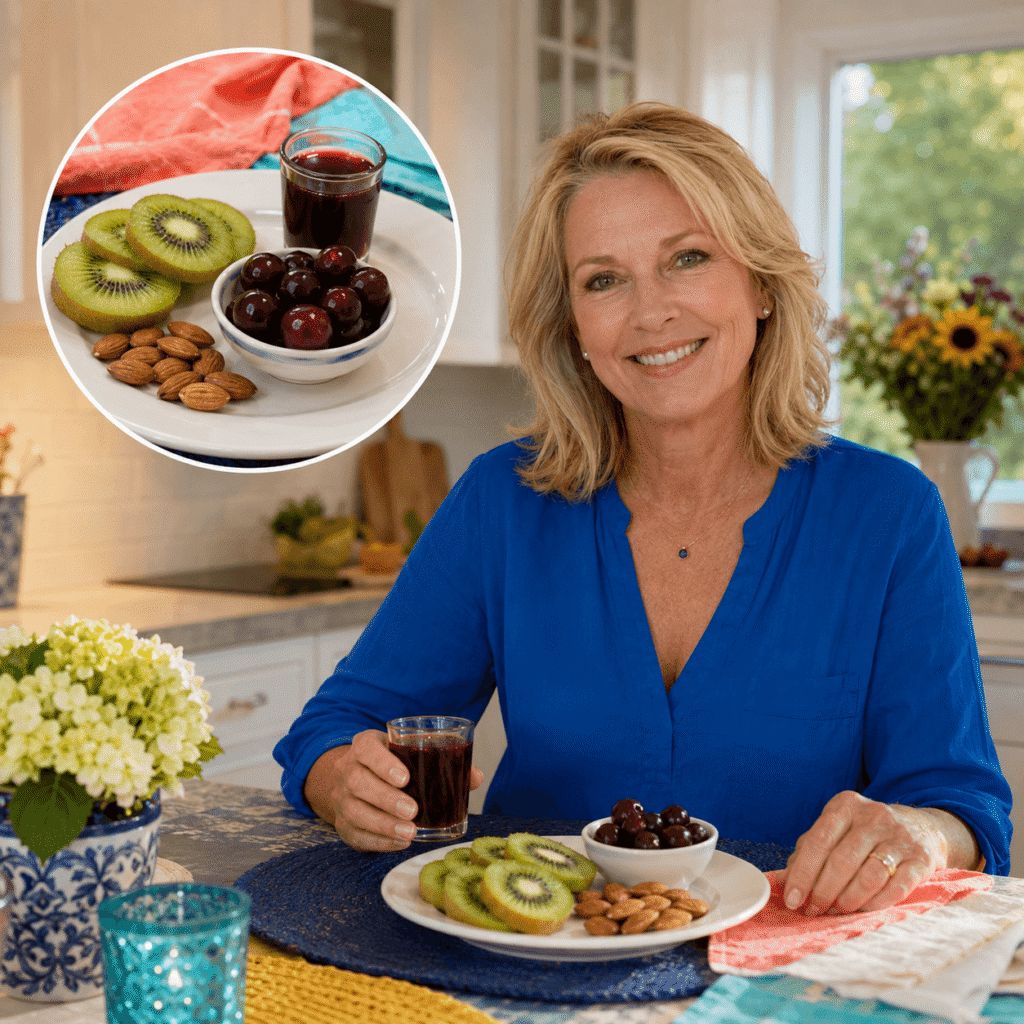
Small trials have associated tart cherry juice with improved sleep quality and longer sleep duration in adults. However, these studies were not specific to better sleep during menopause and used different preparations and serving sizes. Tart cherry juice also contains carbohydrates, so portion control is important for women managing diabetes or glucose-related conditions.
Better Sleep During Menopause Needs Context

To help you sleep better, choose a bedtime snack according to the pattern behind your awakening, rather than simply selecting a food marketed as “sleep-friendly.” No single snack can correct every factor affecting restful sleep.
Track your final meal, snacks, hot flashes, night sweats, alcohol intake, hunger, and awakening times for 10 to 14 nights. Also note where awakenings occur within your sleep circles, or more accurately, your repeating sleep cycles. This record can show whether dietary changes correspond with improved sleep quality.
If a snack helps only after early or inadequate dinners, hunger may be contributing. If waking continues alongside loud snoring, choking, morning headaches, or daytime sleepiness, ask a clinician about sleep apnea. Menopause-related changes in body composition and the upper airway can increase the risk of sleep-disordered breathing.
Persistent insomnia may require cognitive behavioral therapy for insomnia, treatment for hot flashes, or a clinician-led discussion about hormonal and nonhormonal options. Your Second Spring should include restorative sleep, without placing pressure on you to solve complex sleep problems through perfect eating.
A Protocol To Support Better Sleep

- Eat a balanced dinner three to four hours before bedtime.
- Add a snack only when physically hungry or testing whether early dinners disrupt your sleep.
- Eat one oatcake with one tablespoon of almond butter 60 to 90 minutes before bed.
- Keep the snack near 150 calories so it does not become a second dinner.
- Avoid caffeine for at least eight hours before sleep. Limit alcohol, spicy foods, and high-sugar snacks in the evening.
- Dim lights and screens during the final hour before bed to help regulate melatonin production and sleep onset.
- Record hunger, hot flashes, awakenings, and sleep quality for two weeks.
- Compare your results to determine whether the snack helped you sleep better or had a negative impact on your sleep.
- Stop the experiment if it worsens reflux, glucose readings, or sleep issues.
People with diabetes, kidney disease, food allergies, or prescribed dietary restrictions should discuss specific foods and bedtime dietary changes with a qualified clinician or registered dietitian.
FAQs About Snacks And Menopause Sleep
What Should I Eat Before Bed At 3 AM?
Try one oatcake with almond butter about an hour before bed if genuine hunger or an early dinner precedes waking. This pairing may stabilize blood sugar more effectively than sweets, but it cannot guarantee a better night’s sleep. Repeated 3 AM waking also warrants assessment for hot flashes, insomnia, medication effects, or sleep apnea.
Is Protein Or Carbs Better Before Bed?

A small combination is generally more practical than protein or carbohydrate alone. Complex carbohydrate may support tryptophan availability, while protein and healthy fat slow digestion and improve fullness. Portion size and your individual metabolic response matter more than choosing one macronutrient exclusively.
Will A Bedtime Snack Cause Belly Fat?
One planned snack does not automatically cause menopause belly fat. Weight change reflects overall energy intake, activity, sleep, medications, health conditions, and the menopausal metabolic shift over time. If you are not hungry and already eat enough, an extra nightly snack may be unnecessary.
Can Almond Butter Help Me Stay Asleep?
Almond butter supplies healthy fat, protein, and magnesium, which can support healthy eating, but it is not a sedative. No strong trial proves that a spoonful alone improves sleep efficiency in menopausal women. Pair it with a small whole-grain oatcake and evaluate your own sleep patterns.
What Snacks During Menopause Can Help You Sleep?
Snacks during menopause that combine complex carbohydrates, protein, and healthy fat may help you sleep by preventing hunger. Try an oatcake with almond butter or yogurt with walnuts for omega-3 fatty acids. A small snack before bed may help you sleep better during menopause, but it cannot treat a sleep disorder.
What Should You Eat For Better Sleep During Menopause?
To eat for better sleep, choose a small, low-sugar snack such as Greek yogurt with berries or a whole-grain oatcake with almond butter. Going to bed during menopause without feeling overly hungry or full may protect the quality of your sleep. Persistent insomnia should be discussed with a healthcare provider.
Continue Your Journey
A Wise Woman approach looks beyond one food and asks what is repeatedly interrupting sleep. Continue with: Why can’t I stay asleep during menopause and how do I fix it? to explore hormonal changes, hot flashes, sleep apnea, nervous system arousal, and evidence-based ways to improve your sleep.
References
- Baker FC, et al. “Sleep Disturbance and Perimenopause: A Narrative Review.” Current Sleep Medicine Reports. 2025. PubMed.
- Caufriez A, et al. “Sleep, Hormones, and Menopause: The Role of Ovarian Hormones.” Endocrine Reviews. 2022. PubMed.
- Cintron D, et al. “Different Regimens of Menopausal Hormone Therapy for Improving Sleep Quality.” Menopause. 2022. PubMed.
- St-Onge MP, et al. “Sleep Duration and Quality: Impact on Lifestyle Behaviors and Cardiometabolic Health.” Circulation. 2016;134:e367-e386.
- The Menopause Society. “Patient Education and Menopause Resources.” The Menopause Society.
- World Health Organization. “Menopause.” Updated October 17, 2024. WHO.