
The 60-Second Answer
The primary reason a 3am wake up menopause pattern occurs is that fluctuating estrogen and progesterone can destabilize temperature control, mood regulation, and sleep architecture. Night sweats, stress-system activation, insomnia, alcohol, sleep apnea, or glucose changes may then trigger an awakening and make falling back asleep difficult.
What Causes A 3:00 AM Wake-Up?
Opening your eyes at 3am and staring at the ceiling can feel strangely precise, but 3:00 AM is not a special hormonal deadline. It falls within the second half of the night, when sleep pressure is weaker, REM sleep is more prominent, and the circadian rhythm begins preparing the body for morning.
During perimenopause, hormonal shifts can make these normal transitions easier to notice. A hot flash, anxious thought, breathing disturbance, full bladder, environmental noise, or alcohol-related sleep disruption may be enough to cause waking at 3am.
The timing is therefore less informative than the symptom immediately before or after the wake-up.
Hormonal Changes Alter Sleep Biology
Estrogen Decline Destabilizes Temperature
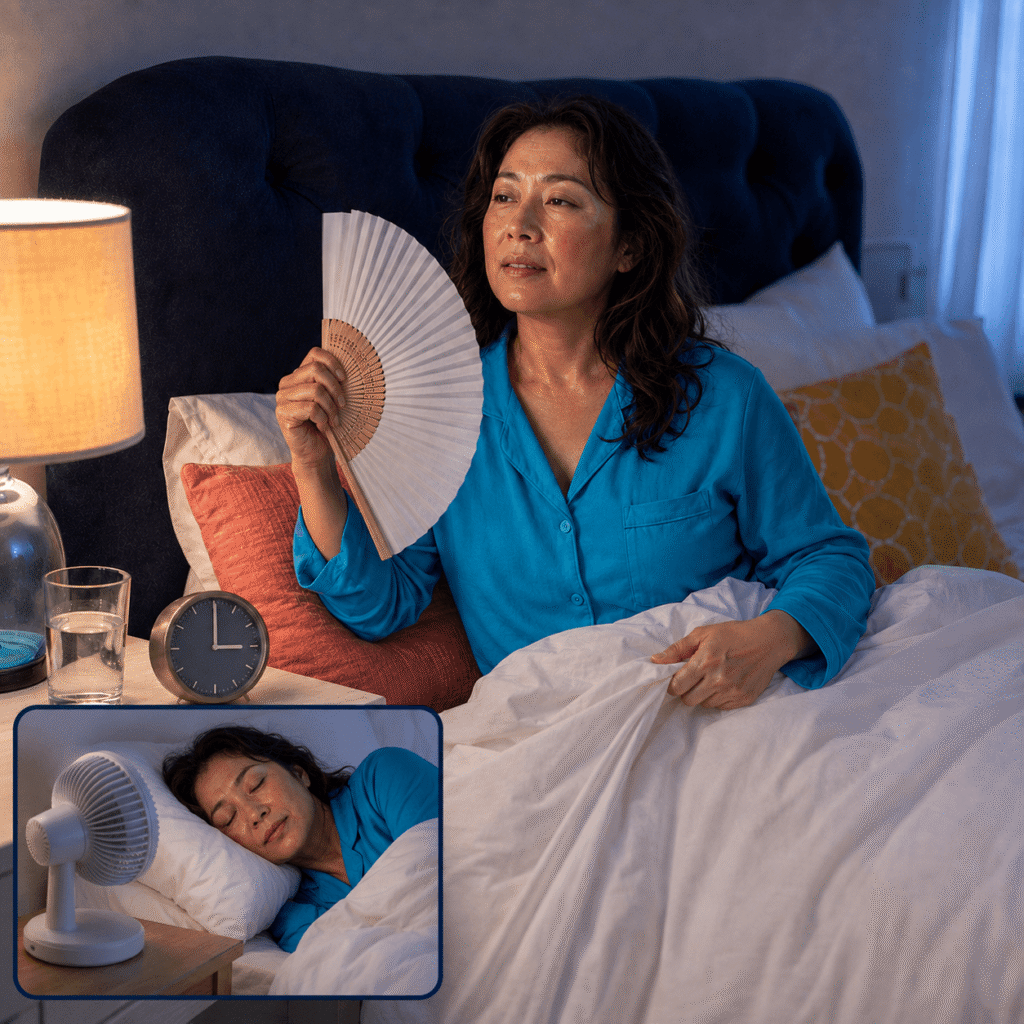
Estrogen interacts with hormone receptors in brain regions responsible for thermoregulation, serotonin signaling, and nervous system regulation. Fluctuation and decline during perimenopause and menopause can narrow the body’s thermoneutral zone, making small temperature changes feel excessive.
This helps explain why a nighttime hot flash may cause suddenly waking with heat, sweating, chills, or a racing heart. The Menopause Society reports that night sweats are vasomotor symptoms occurring during sleep and can include palpitations or anxiety.
Estrogen also influences serotonin and melatonin production, although a 3am wake-up cannot be diagnosed as “low estrogen” from timing alone.
Progesterone Fluctuation Affects Calm
Progesterone metabolites interact with GABA-related pathways involved in calmness and sleep. Irregular ovulation during the menopausal transition can produce unpredictable estrogen and progesterone patterns rather than a smooth decline.
These hormonal changes may increase vulnerability to insomnia, but they do not fully explain every awakening. Midlife stress, pain, mood symptoms, medications, alcohol and caffeine, insomnia, and other sleep disorders frequently overlap.
Cortisol Is Not Always The Cause
Cortisol normally reaches its lowest range near the beginning of the night and rises toward morning. This circadian increase helps the body prepare to wake, so a rise in cortisol around 3am is not automatically evidence of “adrenal dysfunction.”
Stress-system arousal can make it harder to drift back to sleep once awake. However, a single nighttime cortisol test rarely establishes why women wake, and persistent sleep loss can itself alter stress hormones.
Night Sweats Fragment Sleep Cycles
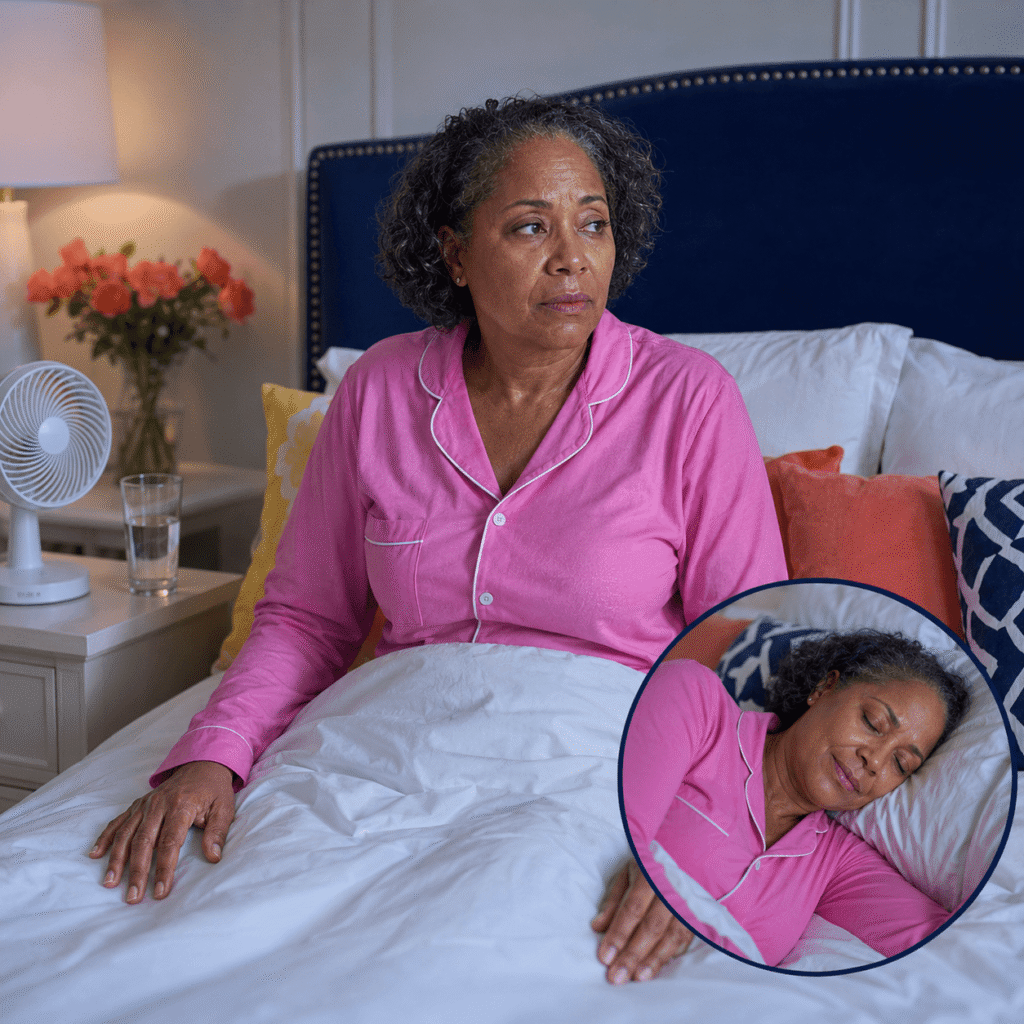
Night sweats can interrupt deep sleep or REM sleep and leave behind a pounding heart, damp clothing, or chills. Sometimes brain activity associated with awakening begins before the woman consciously detects the hot flash, making cause and effect difficult to separate.
Treating bothersome vasomotor symptoms may improve sleep quality. Systemic hormone therapy is the most effective treatment for hot flashes and night sweats, but suitability depends on medical history and requires an individualized discussion with a clinician.
Menopause And Sleep Have Many Triggers

| Possible Trigger | Typical Clues At Wake-Up | Pattern To Track | Appropriate Next Step |
|---|---|---|---|
| Hormonal night sweats | Heat, sweating, chills, rapid heartbeat | Cycle timing and hot-flash frequency | Discuss menopause treatment |
| Chronic insomnia | Alertness, worry, clock-watching | Trouble falling back asleep for 20-plus minutes | Consider CBT-I |
| Alcohol or caffeine | Lighter, broken sleep | Alcohol near bedtime or late caffeine | Change timing for two weeks |
| Sleep apnea | Snoring, gasping, dry mouth, headache | Witnessed pauses and daytime fatigue | Request a sleep evaluation |
| Glucose disturbance | Shaking, hunger, sweating, confusion | Diabetes medication or documented low glucose | Review with a clinician |
This comparison matters because 3am wake-ups are a pattern, not a diagnosis. Obstructive sleep apnea may present in women as insomnia, fatigue, morning headaches, or frequent wake-ups rather than obvious choking.
Blood Sugar Drops Need Verification

Online advice often blames waking up at 3am on low blood sugar. In people without diabetes, true nocturnal hypoglycemia is not considered a routine cause of menopausal sleep disturbances.
Blood sugar drops deserve attention when there is diabetes, glucose-lowering medication, heavy alcohol intake, or symptoms such as shaking, sweating, hunger, weakness, or confusion. Do not add a bedtime snack automatically, since unnecessary late eating may worsen reflux or work against metabolic goals. Talk to your doctor about measuring glucose when clinically appropriate.
Better Sleep Requires A Targeted Protocol

Use this two-week protocol to identify the cause and improve sleep:
- Keep the same wake-up time every day, allowing roughly 7 to 9 hours for sleep.
- Get 20 to 30 minutes of outdoor light exposure within an hour of waking.
- Stop caffeine at least eight hours before bed and test two alcohol-free weeks.
- Keep the bedroom cool and use breathable layers if night sweats occur.
- Record each 3am wake, cycle day, heat, palpitations, alcohol, medication, snoring, and time awake.
- If awake and frustrated for about 15 to 20 minutes, leave bed for a dim, quiet activity. Return when sleepy.
- Seek cognitive behavioral therapy for insomnia if trouble staying asleep occurs at least three nights weekly for three months.
- Ask about sleep apnea testing if you snore, gasp, have resistant hypertension, or still wake unrefreshed.
Melatonin and magnesium are not universal fixes. Discuss dose, interactions, kidney disease, and product quality with a clinician before using supplements.
Tracking Wake-Ups Reveals The Cause

A useful expert angle is to classify the event by its first detectable signal, not simply its clock time. For two weeks, mark each awakening as heat-first, heart-first, thought-first, breathing-first, bladder-first, or hunger-first.
This symptom-sequence diary can separate menopausal sleep disruption from conditioned insomnia, possible sleep apnea, or metabolic concerns. It also gives a women’s health or sleep clinician more actionable evidence than “I keep waking at 3.”
A Wise Woman approach to this Second Spring is investigative, not self-blaming.
Frequently Asked Questions
Why Do I Wake Up At 3 am With A Racing Heart?

A nocturnal hot flash can include warmth, sweating, anxiety, and a rapid heartbeat. Panic, sleep apnea, thyroid disease, medication effects, and heart rhythm problems are other possibilities. Seek urgent care for chest pain, fainting, severe breathlessness, or a sustained irregular heartbeat.
Is A 3am Wake Blood Sugar Or Estrogen?
Hormonal changes can promote night sweats and disrupted sleep, but timing alone cannot prove low estrogen. True blood sugar drops are more concerning with diabetes, glucose-lowering medication, or compatible symptoms. Track the surrounding clues and request clinical testing rather than guessing.
How Can I Fall Asleep Faster?
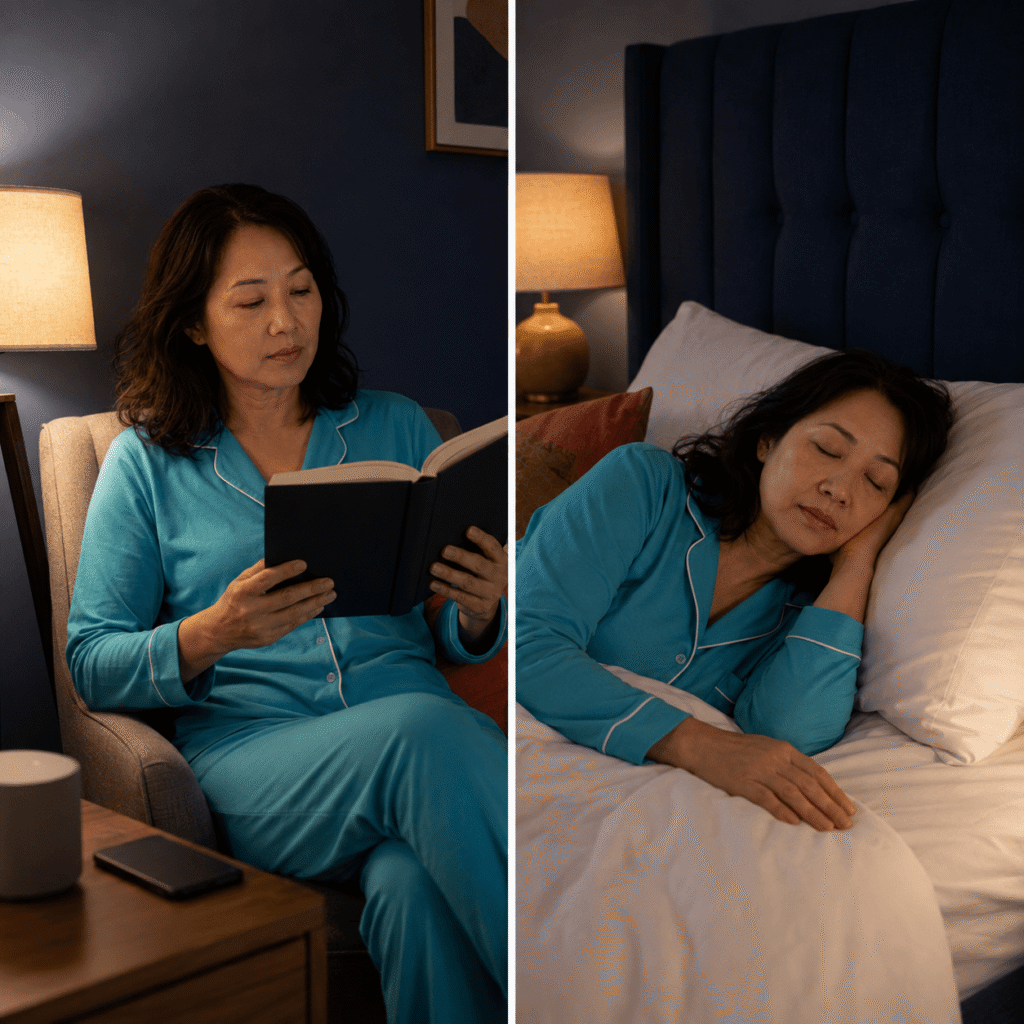
Turn the clock away, keep light low, and avoid scrolling or trying forcefully to sleep. If you remain alert for about 15 to 20 minutes, do a quiet activity outside bed until sleepy. This stimulus-control method helps reconnect bed with sleep.
Does High Cortisol Cause Night Sweats?
Cortisol and sympathetic arousal may intensify alertness and sweating, but menopausal night sweats primarily reflect disturbed temperature regulation associated with hormonal fluctuation. Infection, thyroid disease, medication, and other conditions can also cause nighttime sweating. Report drenching, persistent, or unexplained sweats to a clinician.
Can Perimenopause Insomnia Cause a Nightmare and Make Me Wake Up in the Middle of the Night?
Yes. Changing hormone levels may affect REM sleep, mood, and body temperature. Because estrogen helps regulate sleep and temperature, fluctuations may trigger vivid dreams or cause you to wake up in the middle of the night. This can explain disrupted sleep around 3am in menopause.
How Can I Improve Sleep and Start Sleeping Through the Night?
Practice good sleep hygiene and consistent sleep habits: maintain a cool bedroom, follow a regular schedule, and limit late caffeine and alcohol. These steps support melatonin, the body’s natural sleep hormone, and may help you sleep more steadily throughout the night.
Continue Your Journey
Learn how to address the wider pattern of menopausal insomnia in this guide: Why Can’t I Stay Asleep During Menopause and How Do I Fix It?
References
- Baker FC, Lampio L, Saaresranta T, Polo-Kantola P. Sleep and sleep disorders in the menopausal transition. Sleep Medicine Clinics. 2018;13(3):443-456. doi:10.1016/j.jsmc.2018.04.011. Full review
- McCurry SM, Guthrie KA, Morin CM, et al. Telephone-based cognitive behavioral therapy for insomnia in perimenopausal and postmenopausal women with vasomotor symptoms. JAMA Internal Medicine. 2016;176(7):913-920. doi:10.1001/jamainternmed.2016.1795. PubMed
- Guthrie KA, Larson JC, Ensrud KE, et al. Effects of pharmacologic and nonpharmacologic interventions on insomnia symptoms and self-reported sleep quality in women with hot flashes. Sleep. 2018;41(1):zsx190. doi:10.1093/sleep/zsx190. PubMed
- Kalmbach DA, Cheng P, Arnedt JT, et al. Improving daytime functioning, work performance, and quality of life in postmenopausal women with insomnia. Journal of Clinical Sleep Medicine. 2019;15(7):999-1010. doi:10.5664/jcsm.7882. PubMed
- The Menopause Society. Menopause symptoms and hormone therapy information. Accessed August 25, 2026. Patient education
- American College of Obstetricians and Gynecologists. Hormone Therapy for Menopause. Clinical guidance


Pingback: One Simple Habit For Better Rest Tonight - Progress Tribe
Pingback: Why You Keep Waking Up Hot (And How To Fix Your Internal Thermostat) - Progress Tribe
Pingback: The Real Reason Your Mind Stays Awake At Night - Progress Tribe