The 60-Second Answer
The best weight bearing exercises for osteoporosis in menopause combine progressive strength training, brisk walking, stair climbing, and carefully selected impact movements. This approach places controlled stress on bones, supports bone remodeling, builds muscle strength, and improves balance. Your ideal exercise program should reflect your bone density, joint health, fitness, and fracture risk.
Weight-Bearing Exercise Builds Bone Density
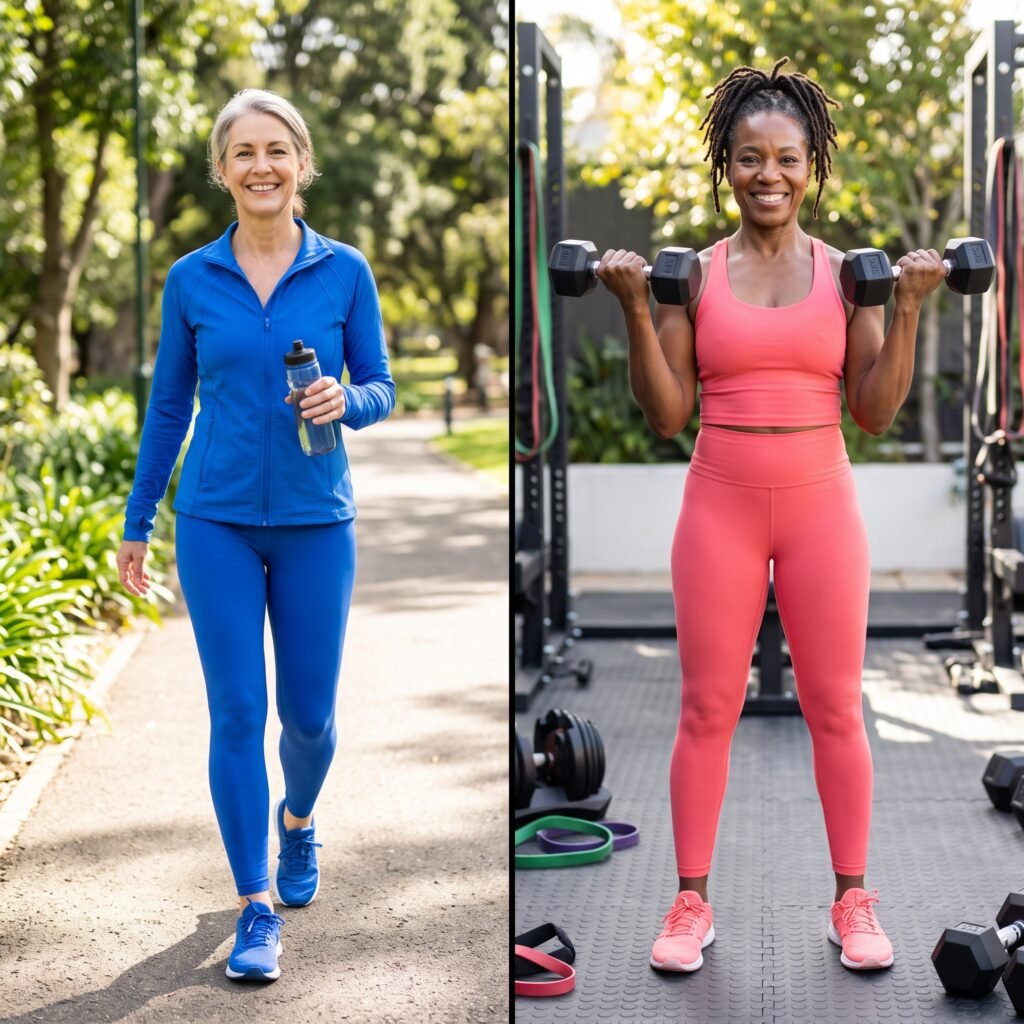
Weight-bearing exercise is any activity performed while your bones support your body weight against gravity. Walking, dancing, hiking, stair climbing, and jogging are common examples.
The best exercise plan combines several forms of loading:
- Progressive strength training
- Moderate or high-impact movement when safe
- Weight-bearing aerobic exercise
- Balance exercises
- Posture and mobility work
Walking is beneficial, but it may not provide enough stimulus by itself to produce meaningful improvements in bone density. Muscles and bones adapt when the challenge gradually becomes greater or changes direction. Combining resistance exercises with weight bearing activities provides a more complete approach to bone health.
Menopause Accelerates Bone Remodeling
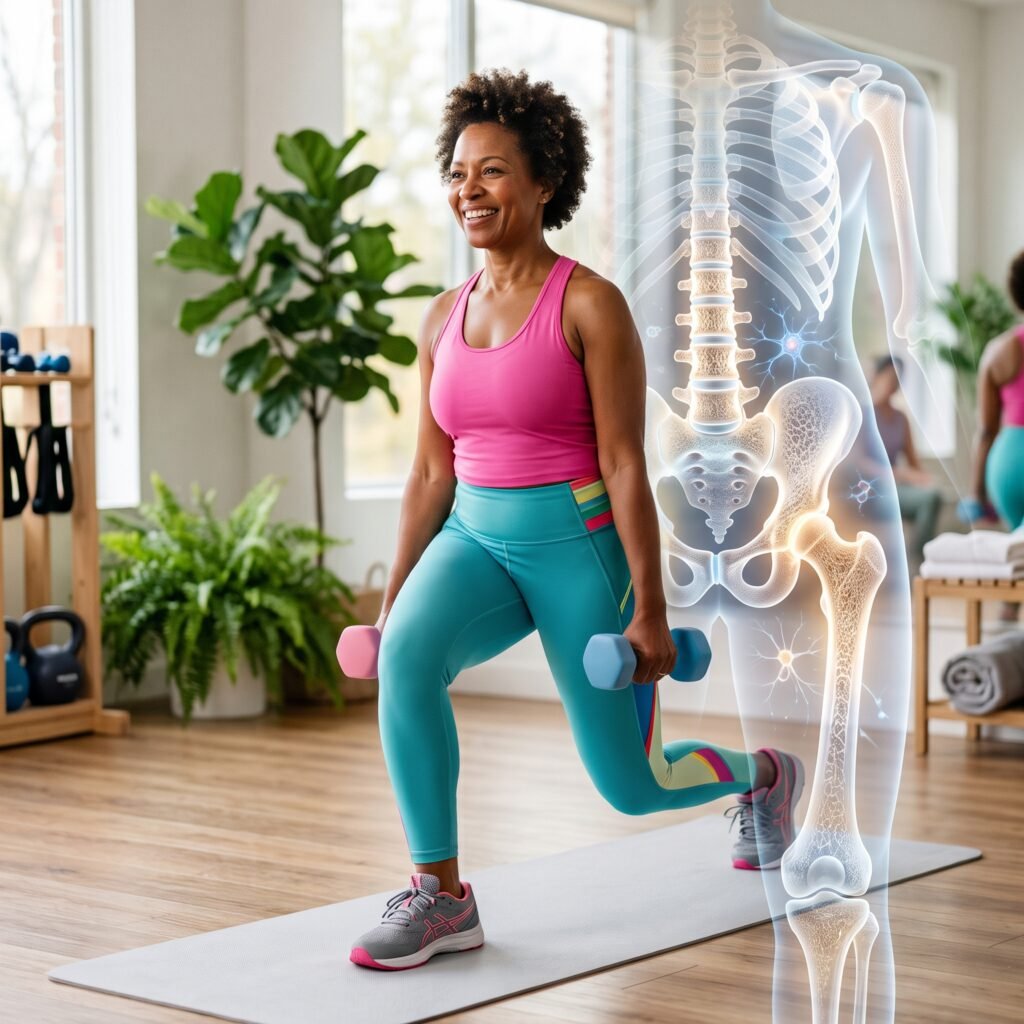
Bone remodeling is the continuous process of removing older bone and producing new bone. Estrogen interacts with hormone receptors involved in regulating this process. When estrogen declines during menopause, bone breakdown can begin outpacing bone formation.
This imbalance contributes to reduced bone mass and makes postmenopausal women more vulnerable to osteoporosis. Losses can be especially important at the spine and hip, where a fracture may seriously affect mobility and independence.
Mechanical loading from exercise can help counter this change. Bone cells detect microscopic strain created when muscles pull against bone tissue. This controlled stress on bones signals the body to strengthen loaded areas.
Hormonal changes can also cause a metabolic shift involving muscle loss, increased abdominal fat, and poorer recovery. Strength training supports nervous system regulation, preserves bones and muscles, and helps women perform daily activities more confidently.
Strength Training Improves Bone Health
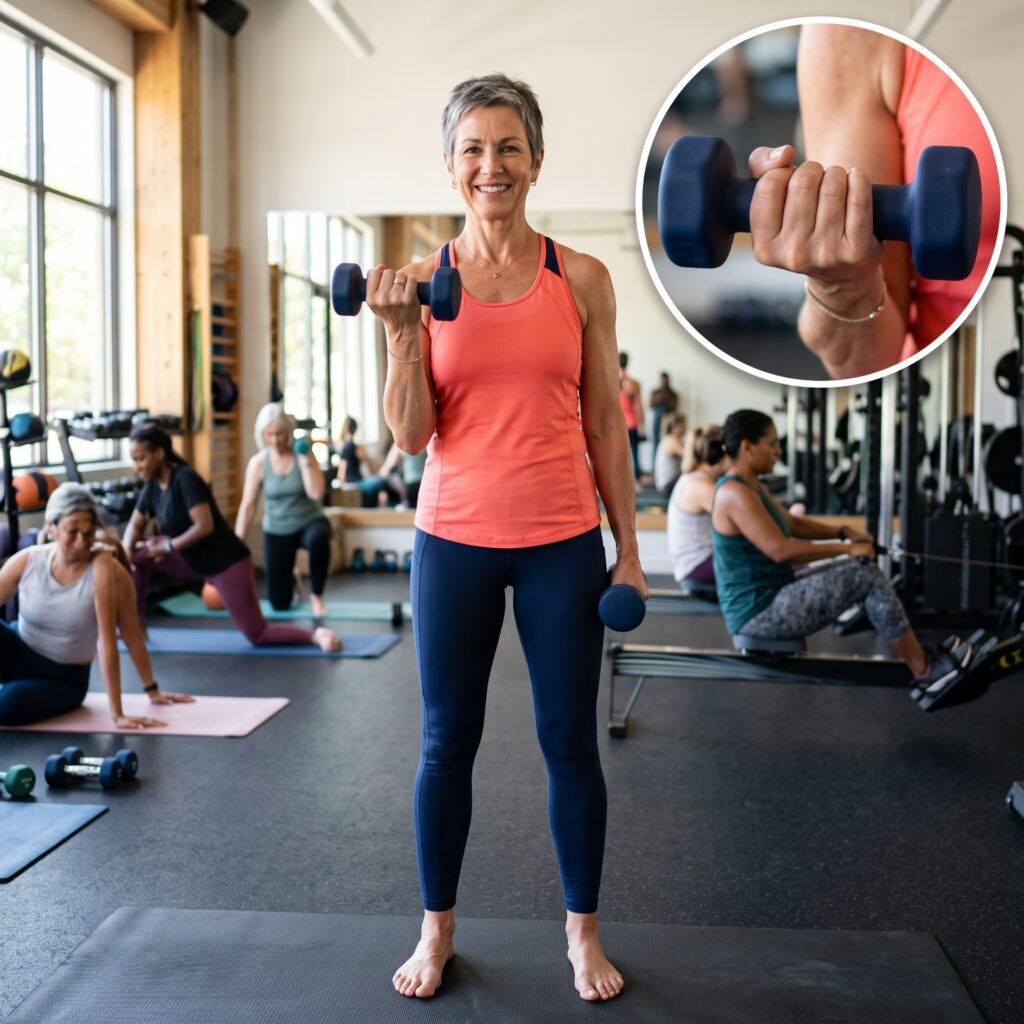
Strength training is one of the most valuable forms of exercise for bone health and osteoporosis prevention. It builds muscle strength while placing targeted loads on the skeleton.
Effective training exercises may include:
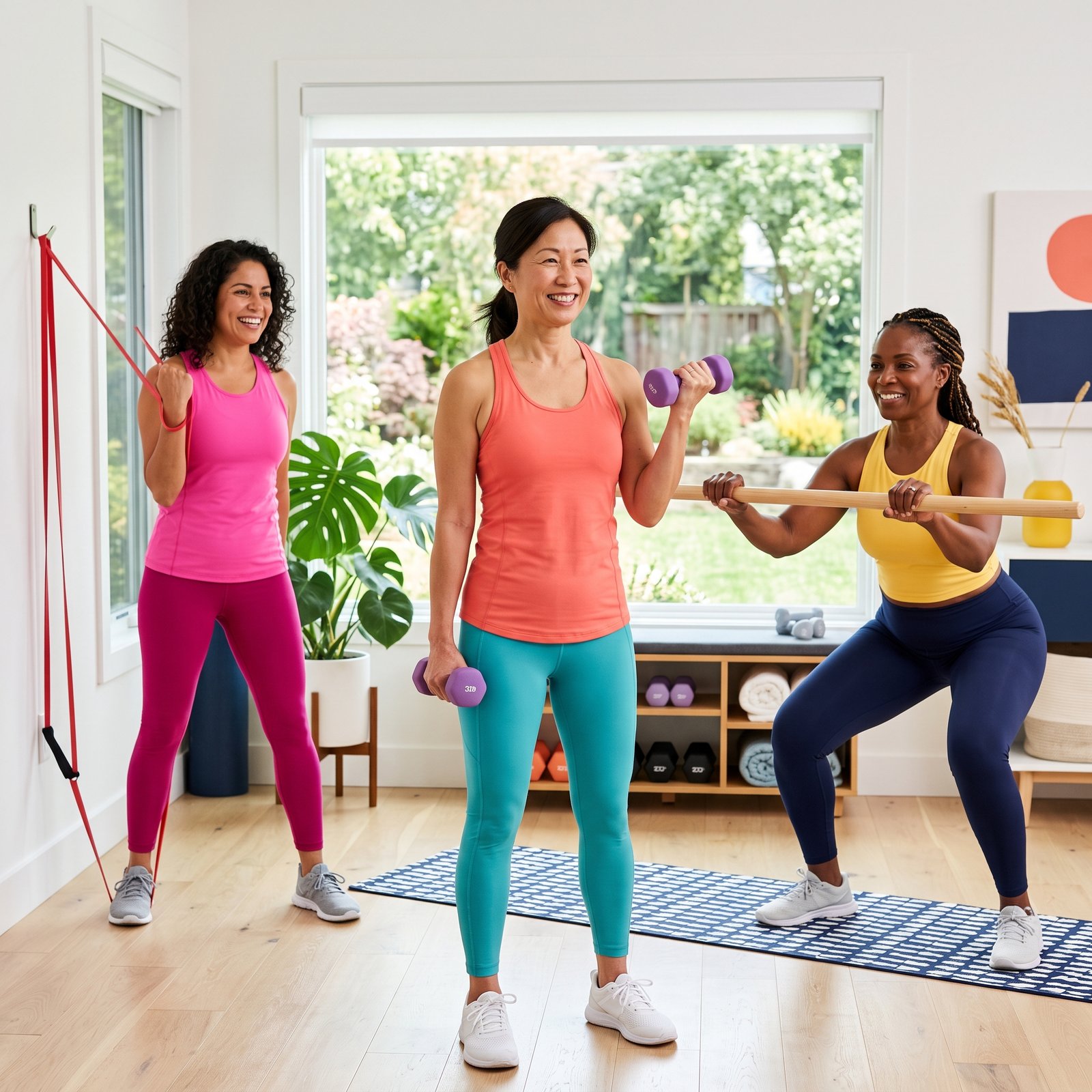
- Squats or supported chair squats
- Deadlifts or modified hip hinges
- Lunges and step ups
- Standing rows
- Chest presses
- Overhead presses
- Calf raises
- Back strengthening exercises
These strengthening exercises can use dumbbells, machines, resistance bands, or body weight. Muscle strengthening exercises should become progressively more challenging as your strength improves. If the same resistance always feels easy, it may no longer provide enough stimulus to improve your bone health.
The LIFTMOR randomized controlled trial examined supervised high intensity resistance and impact training in postmenopausal women with low bone density. Participants trained twice weekly for eight months and experienced improvements in bone mineral density and physical function. The study included women with osteopenia and osteoporosis, but its high intensity exercise program was closely supervised by professionals.
Exercise Types Produce Different Benefits
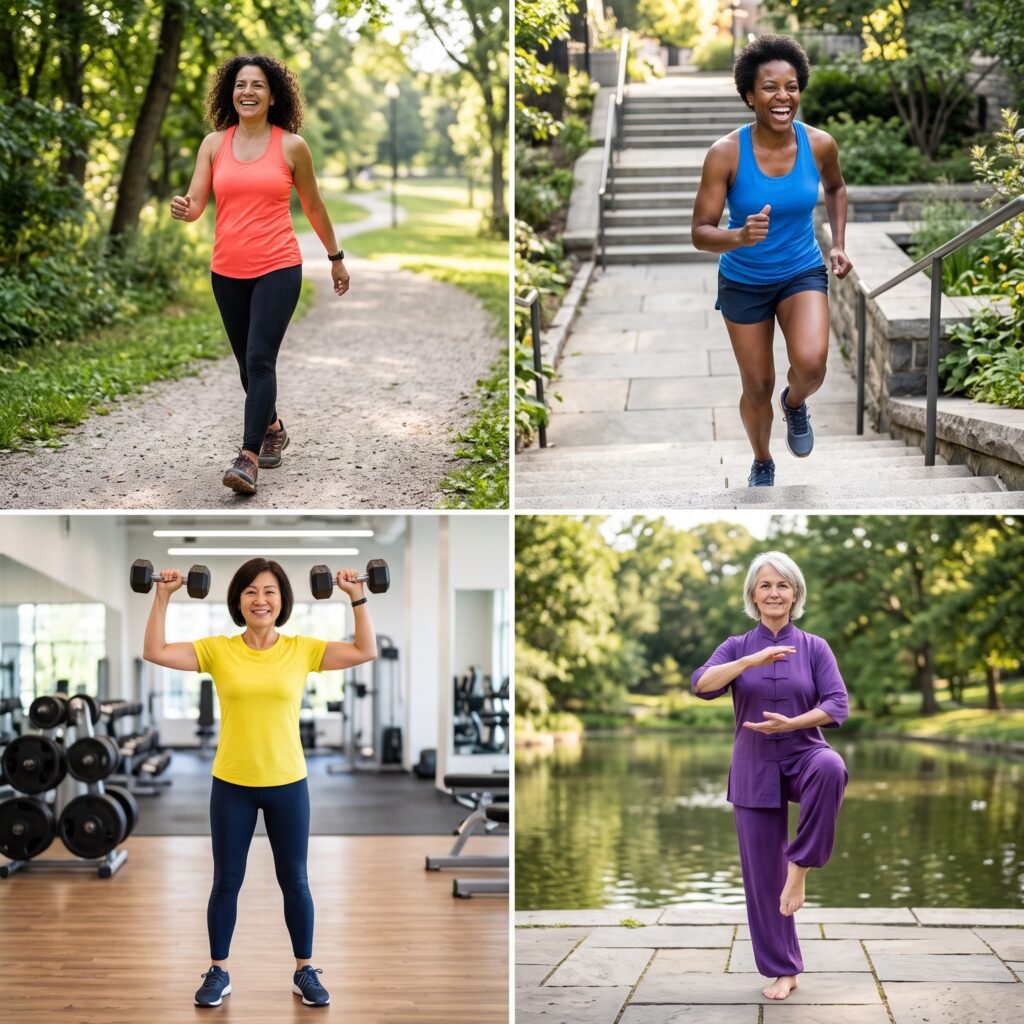
Every type of exercise supports bone health differently. A complete program should address bone strength, muscle strength, cardiovascular health, posture, and fall prevention.
| Type Of Exercise | Main Benefit | Primary Area Loaded | Suggested Frequency | Key Consideration |
|---|---|---|---|---|
| Brisk walking | Supports aerobic fitness | Legs and hips | Most days | May not strongly load the spine |
| Stair climbing | Increases lower-body loading | Hips and legs | 2 to 4 days weekly | Requires knee tolerance and balance |
| Strength training | Builds muscles and bones | Spine, hip, arms | 2 to 3 days weekly | Requires progressive resistance |
| Dancing or aerobics | Provides varied weight shifting | Hips and legs | 2 to 3 days weekly | Modify quick turns if balance is poor |
| Hops or jumps | Produces a strong bone stimulus | Hips and legs | 2 to 3 days weekly | Requires fracture-risk screening |
| Tai chi | Helps improve balance | Minimal direct bone loading | 2 to 4 days weekly | Best combined with resistance work |
A 2025 systematic review found that combining aerobic exercise with resistance training produced favorable bone mineral density results in postmenopausal women. Resistance training alone also benefited important skeletal sites. This suggests that varied physical activity is more useful than relying on a single movement.
High-Impact Exercises Require Screening
High-impact exercises include jumping, hopping, skipping, running, and a vigorous jog. These movements can stimulate bone formation because they apply force rapidly. However, they are not appropriate for everyone.
People with osteoporosis, previous bone fractures, severe osteopenia, poor balance, or persistent back pain should speak with a healthcare provider before performing high-impact exercise. Certain exercises may need to be modified according to individual fracture history and bone mineral density.
Women diagnosed with osteoporosis should also be cautious with forceful spinal bending, loaded twisting, repeated sit ups, and uncontrolled lifting. These movements may increase the risk of breaking a bone in a vulnerable spine.
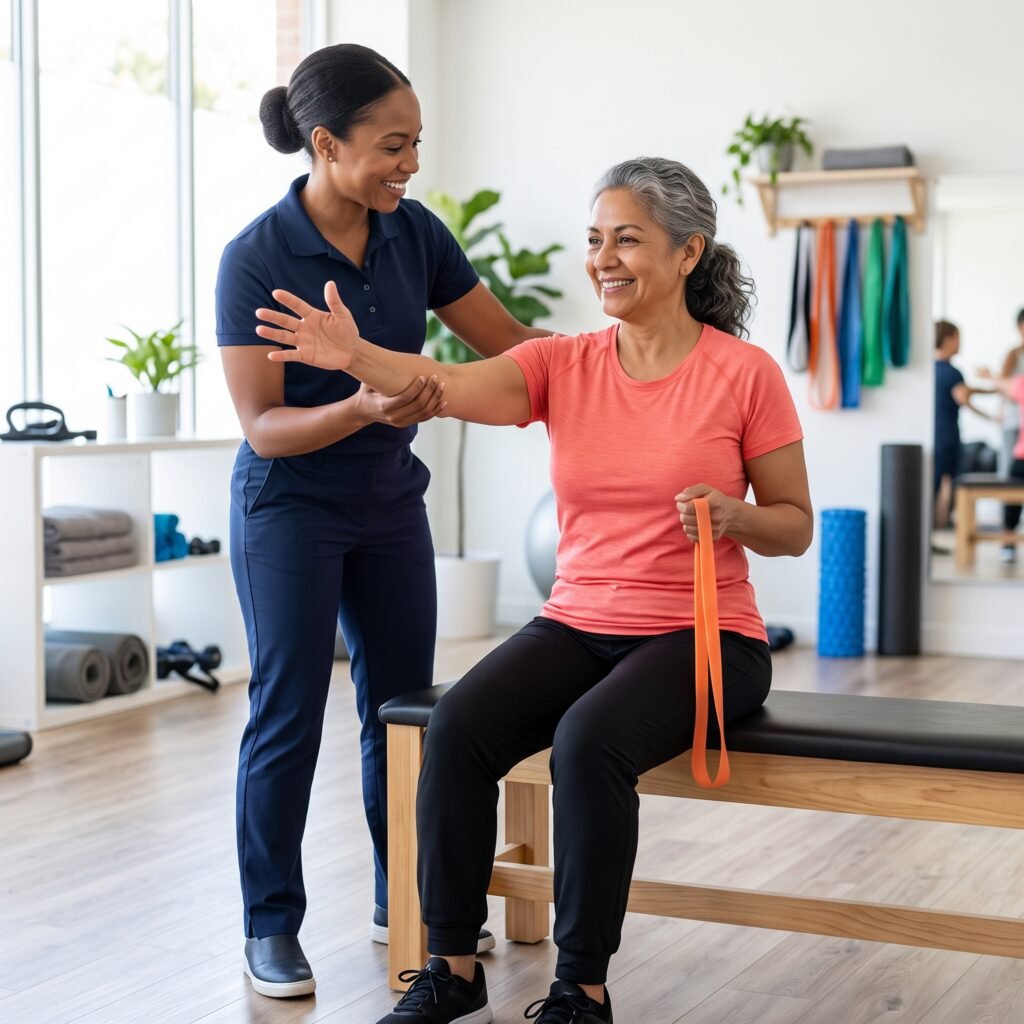
A physical therapist experienced in exercising with osteoporosis can assess posture, balance, movement technique, and the muscles in the back. Professional instruction is particularly valuable after a fracture due to osteoporosis or when returning to exercise after a long break.
Low-Impact Exercise Protects Vulnerable Bones
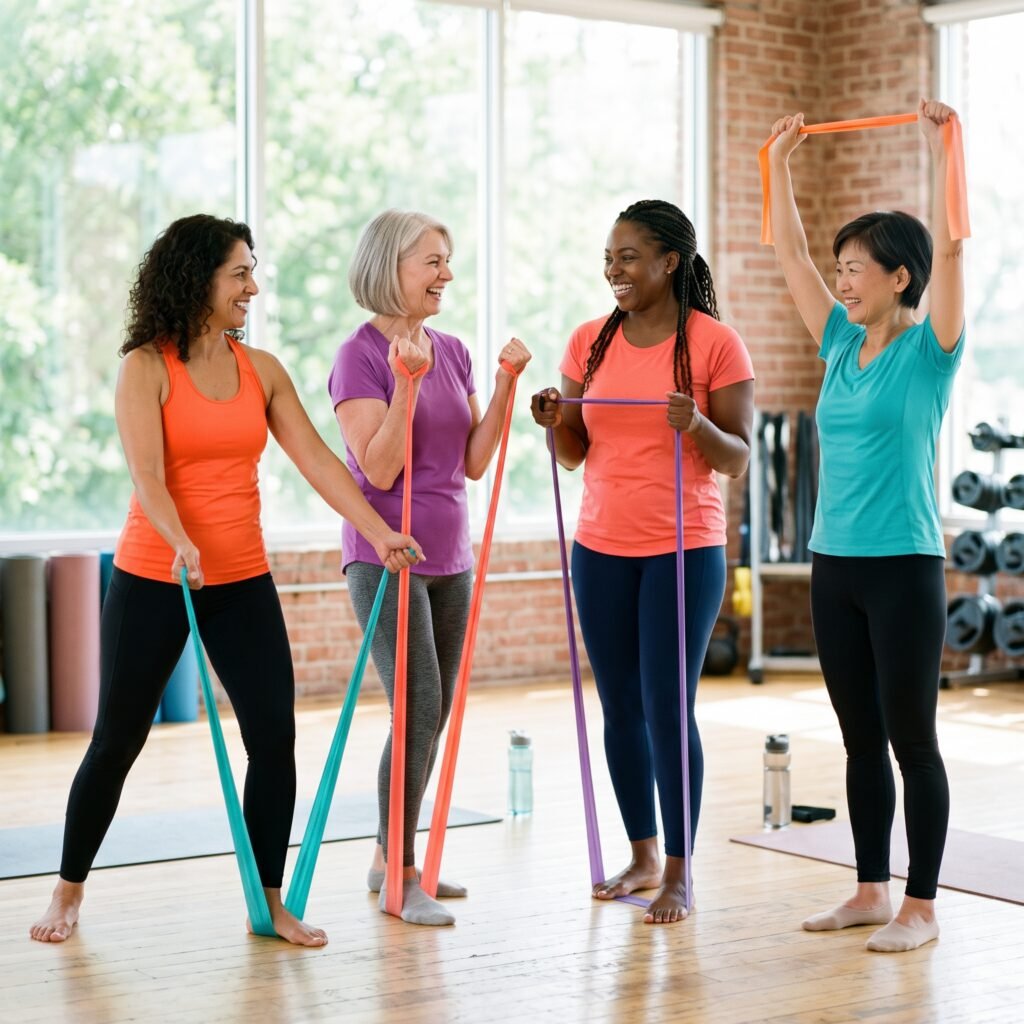
Low-impact weight-bearing exercises are useful for beginners, older adults, and women with painful joints. Options include brisk walking, elliptical training, low-impact aerobic classes, gentle stair practice, and controlled dancing.
Resistance bands can also provide a practical introduction to resistance exercises. They support many movement patterns and allow gradual progression. However, heavier bands, free weights, or machines may eventually be needed to continue improving muscle and bone strength.
People with osteoporosis should not assume that low impact means ineffective. Exercise can help preserve mobility, prevent bone loss, and support independence even when jumping is unsuitable.
Balance Exercises Reduce Fracture Risk
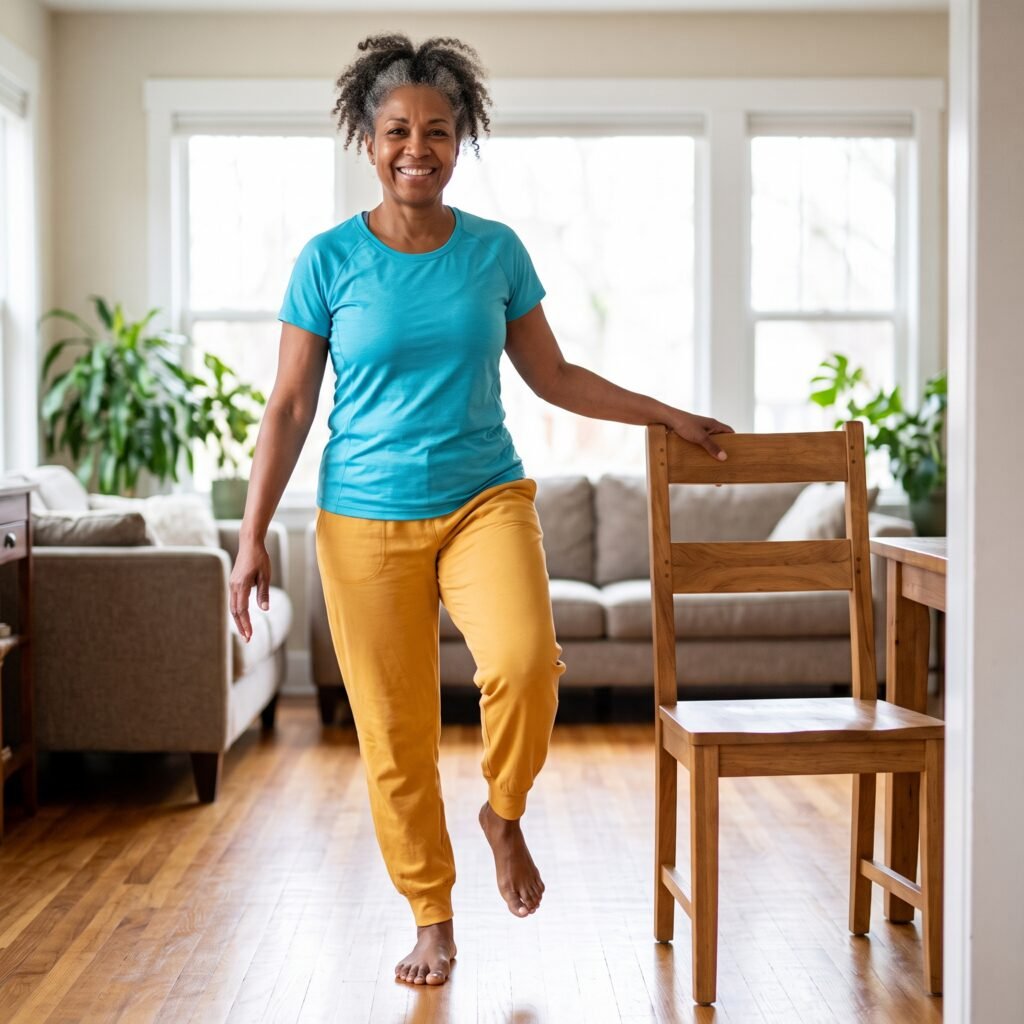
Falls are a major cause of bone fractures in older adults. Balance exercises may not add substantial bone mass directly, but they can make a person less likely to fall.
Useful options include:
- Single leg standing near a stable support
- Heel to toe walking
- Side stepping
- Controlled weight shifting
- Slow backward walking
- Exercises such as tai chi
Tai chi combines balance, coordination, posture, and controlled movement. It can help improve balance and confidence, especially when practiced consistently. Balance work should accompany strengthening and weight-bearing exercise rather than replace them.
This Exercise Program Protects Your Bones
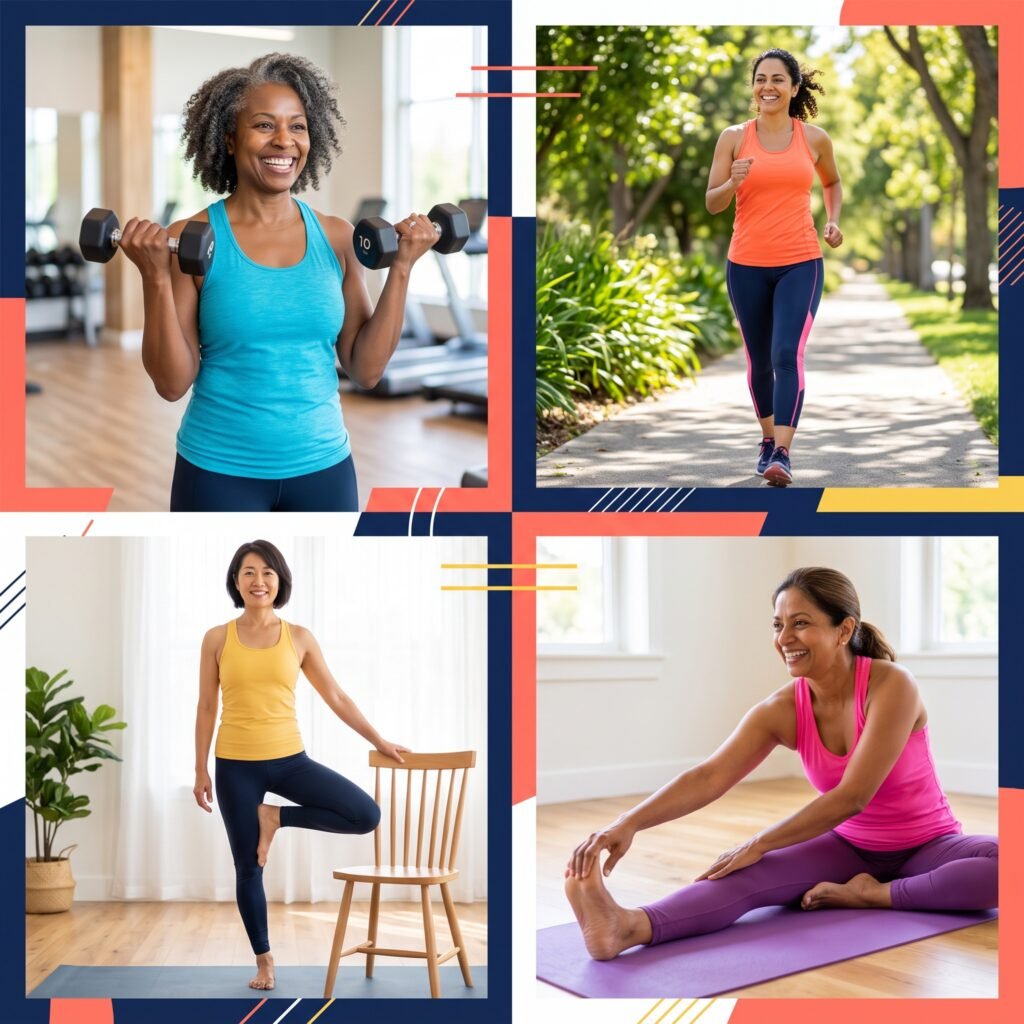
After receiving medical clearance, use this practical weekly plan:
- Perform strength training two or three nonconsecutive days weekly. Choose five to eight resistance exercises and complete one to three sets of eight to twelve controlled repetitions.
- Accumulate approximately 150 minutes of moderate aerobic activity each week. Include brisk walking, dancing, hiking, or stair climbing.
- Add brief high-impact exercises two or three times weekly only if your healthcare provider considers them safe. Beginners might start with firm heel drops, marching, or small controlled hops.
- Practice balance exercises for five to ten minutes at least three days weekly.
- Increase weight gradually when the final repetitions feel comfortable and your technique remains steady.
- Stop and seek medical advice for sudden back pain, sharp joint pain, dizziness, or pain following a fall.
Choose enjoyable activities that you can perform consistently. Protect your bones through appropriate progression, recovery, and technique rather than exercising through pain.
Site-Specific Training Improves Bone Strength
A useful expert angle is skeletal site specificity. Bone adapts mainly where it is loaded, so every activity should not be described simply as “bone building.”
Walking primarily loads the legs and hips. Rows and back extensions target the upper body and muscles in the back. Squats, deadlifts, and step ups challenge the spine and hip through muscular force. Impact movements may provide an additional stimulus at the hip when safe.
This explains why varied weight-bearing and resistance exercises are central to osteoporosis prevention. In your Second Spring, a thoughtful exercise program should target your weaker skeletal areas while also helping you improve strength and confidence.
Frequently Asked Questions
Is Walking Enough To Prevent Bone Loss After 50?
Walking supports aerobic fitness and can help maintain bone density, but it is rarely a complete strategy. Add strength training and balance exercises for broader protection. Safe impact activity may provide another stimulus when appropriate.
How Often Should I Lift For Bone Density?
Most women can perform strength training two or three times weekly on nonconsecutive days. Resistance should increase gradually as technique and strength improve. A physical therapist can personalize training for osteoporosis in postmenopausal women.
Can Heavy Lifting Cause Osteoporosis Fractures?
Heavy lifting may increase fracture risk when progression, technique, or exercise selection is inappropriate. Supervised heavy resistance training has been used successfully in selected women with osteopenia and osteoporosis. Anyone with spinal fractures or severe bone loss needs professional guidance.
Are Resistance Bands Effective For Bone Health?
Resistance bands can improve strength and are useful for home training. Their effectiveness depends on applying enough progressive resistance to challenge the bones and muscles. Free weights or machines may eventually make progression easier.
Which Exercises Help Bone Health And Joint Pain?
Walking, elliptical exercise, low-impact aerobics, resistance training, and stair practice can support bone health without jumping. Tai chi can improve balance while placing little impact on painful joints. Select activities that do not aggravate pain.
Continue Your Journey

Exercise is only one part of a complete osteoporosis prevention strategy. Calcium, vitamin D, protein, sleep, fall prevention, appropriate screening, and medical treatment may also be important. Continue with our pillar guide: How Do I Prevent Osteoporosis and Bone Loss During Menopause Naturally?
References
- Watson SL, Weeks BK, Weis LJ, et al. High-intensity resistance and impact training improves bone mineral density and physical function in postmenopausal women with osteopenia and osteoporosis: The LIFTMOR randomized controlled trial. Journal of Bone and Mineral Research. 2018;33(2):211–220. doi:10.1002/jbmr.3284. PubMed
- Li X, et al. Effect of different types of exercise on bone mineral density in postmenopausal women: A systematic review and network meta-analysis. Scientific Reports. 2025. Full text
- Zhao F, et al. Optimal resistance training parameters for improving bone mineral density in postmenopausal women: A systematic review and meta-analysis. Journal of Orthopaedic Surgery and Research. 2025. Full text
- Royal Osteoporosis Society. Exercise and osteoporosis: Safe strength, impact, balance, and posture guidance. Accessed September 2026. Exercise guidance
- Bone Health and Osteoporosis Foundation. Preventing fractures through weight-bearing and muscle-strengthening exercise. Accessed September 2026. Prevention guidance