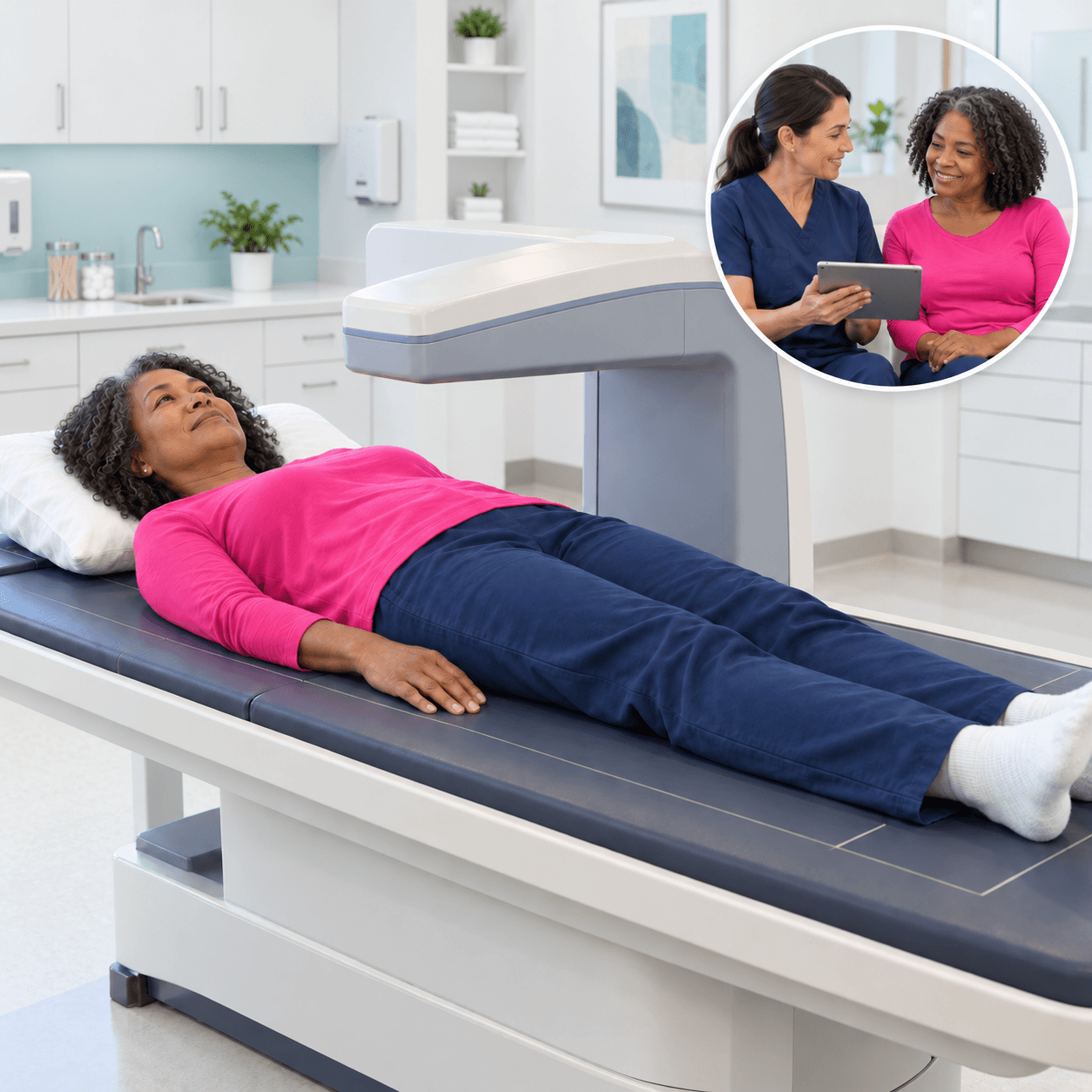
Menopause can accelerate bone loss and contribute to joint pain, stiffness and inflammation. Explore evidence-based guidance on osteoporosis prevention, DEXA scans, calcium, vitamin D, strength training, weight-bearing exercise and ways to protect your bones and joints after menopause.
The 60-Second Answer: Yes, moxibustion for menopause joint pain and cupping may provide short-term relief by applying heat or suction to sore areas and influencing pain processing. However, direct menopause-specific evidence is limited. These therapies should complement, not replace, medical evaluation, strength exercise, sleep support, and evidence-based treatment for persistent…
The 60-Second Answer The best weight bearing exercises for osteoporosis in menopause combine progressive strength training, brisk walking, stair climbing, and carefully selected impact movements. This approach places controlled stress on bones, supports bone remodeling, builds muscle strength, and improves balance. Your ideal exercise program should reflect your bone density,…
The 60-Second Answer Vitamin K2 helps your body use calcium where it matters most. It activates osteocalcin, a protein that binds calcium to bones, helping them stay strong after menopause. It also activates a protein that helps keep calcium from building up in arteries. Still, K2 works best with vitamin…
The 60-Second Answer Most women in menopause need about 1,200 milligrams of calcium and 600 to 800 IU of vitamin D each day. Try to get calcium from food first, then use a supplement only to fill gaps. Vitamin D helps your body absorb calcium. Strength training, walking, protein, and…
The 60-Second Answer A DEXA scan is a quick, painless test that uses very low dose X-rays to measure bone strength. It can find bone loss and osteoporosis before a fracture happens. Menopausal women should usually get one at age 65, or earlier if they have risk factors such as…
The 60-Second Answer Yes, you can help prevent osteoporosis and bone loss during menopause naturally through progressive resistance and weight-bearing exercise, adequate calcium, vitamin D and protein, avoiding smoking, limiting alcohol, and reducing falls. However, lifestyle cannot always replace medication when bone density is very low or fracture risk is…
The 60-Second Answer Yes, collagen supplements for menopause bone strength may modestly improve bone mineral density, particularly in women with osteopenia. However, no clinical trial has proven that collagen prevents fractures. Consider collagen an optional support for the bone matrix, not a replacement for calcium, vitamin D, resistance exercise, fall…