
The 60-Second Answer
Histamine and menopause insomnia may overlap because histamine promotes alertness, while fluctuating estrogen and progesterone can disturb temperature control, mood, and sleep. However, histamine intolerance is not a proven primary cause of menopause insomnia. Night sweats, sleep apnea, stress, medications, and restless legs must also be considered.
Histamine And Menopause Insomnia Mechanism

Histamine is a chemical that the body produces for immune defense, digestion, stomach-acid regulation, and wakefulness. Brain histamine activates hormone receptors, especially H1 receptors, that support attention and arousal. Histamine activity normally rises while you are awake and falls during sleep.
This explains how high histamine could disrupt sleep, but it does not prove that dietary histamine enters the brain and directly causes insomnia. Brain histamine and histamine in the body are regulated in partly separate compartments.
During perimenopause and menopause, fluctuating estrogen levels affect thermoregulation, nervous system regulation, and circadian stability. Declining progesterone may also remove some calming neurosteroid effects. This hormonal and metabolic shift can make sleep lighter and increase sensitivity to itching, warmth, palpitations, congestion, and digestive discomfort.
Estrogen Can Affect Histamine Signaling

The connection between estrogen and histamine is biologically plausible but complex. Experimental evidence indicates that estrogen can influence mast cell activity, while progesterone may suppress some histamine responses. Mast cells contain estrogen receptors, and laboratory research suggests estrogen stimulates mast cells to release histamine under certain conditions.
That does not mean falling estrogen always produces higher histamine levels. Hormonal fluctuations, rather than one consistently low value, may affect histamine balance differently among individuals. Direct clinical research on histamine intolerance during menopause remains limited.
Histamine Intolerance Impairs Breakdown

Histamine intolerance describes symptoms attributed to an impaired ability to break down histamine, especially dietary histamine in the gut. Diamine oxidase, or DAO, is the enzyme primarily responsible for breaking down histamine outside cells. Histamine-N-methyltransferase processes histamine inside many tissues.
If histamine breakdown is insufficient relative to intake and production, histamine builds and the total histamine burden may rise. Certain foods contain histamine, and some microbes produce histamine. Alcohol, gastrointestinal disease, and some medicines may also impair DAO or worsen histamine intolerance.
There is no universally accepted test that can diagnose histamine intolerance by itself. Serum DAO results are inconsistent, and symptoms overlap with allergy, mast-cell disorders, medication reactions, migraine, irritable bowel syndrome, and menopause symptoms.
Perimenopause Can Intensify Night Symptoms
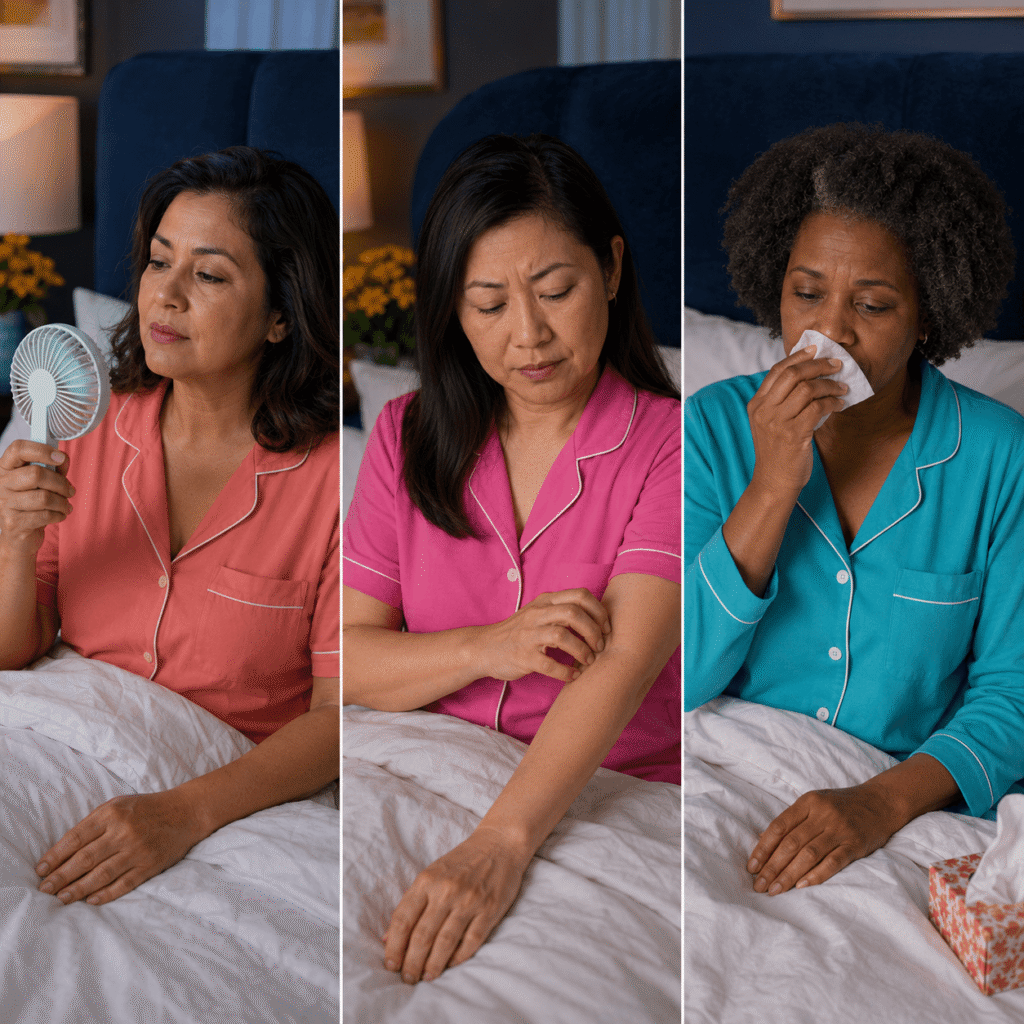
Many women experience hot flashes, night sweats, anxiety, itching, and sleep problems during the menopause transition. These symptoms may resemble signs of histamine intolerance, but resemblance is not proof.
Histamine intolerance symptoms can include flushing, headache, nasal congestion, hives, abdominal pain, diarrhea, palpitations, and low blood pressure. A pattern involving several systems after higher histamine foods is more informative than insomnia alone.
Menopause can affect sleep through vasomotor symptoms, mood changes, pain, urinary symptoms, and sleep-disordered breathing. Addressing these established causes should remain central even when histamine sensitivity is suspected.
Histamine Intolerance And Sleep Differ
| Variable | Typical Clues | Timing | Evidence-Based Next Step |
|---|---|---|---|
| Higher histamine burden | Flushing, itching, congestion, headache, gut symptoms | Minutes to hours after certain foods | Record food, timing, symptoms, and medications |
| Menopause night sweats | Sudden heat, sweating, chills, rapid heartbeat | Often during sleep | Discuss vasomotor treatment options |
| Chronic insomnia | Worry about sleep, long awakenings, daytime fatigue | At least 3 nights weekly when chronic | Consider CBT-I |
| Sleep apnea | Snoring, gasping, dry mouth, morning headache | Repeatedly throughout the night | Request sleep-apnea screening |
| Restless legs | Urge to move the legs, crawling sensations | Worse at rest and in the evening | Review iron status and medications |
Functional Medicine Requires Caution

A functional medicine clinician may explore diet, gut symptoms, medicines, and symptom timing. That history can be useful, but broad testing for histamine, DAO, food sensitivity, or microbiome patterns should not be treated as definitive.
Testing for histamine intolerance cannot currently confirm the condition with one reliable biomarker. A clinician should first exclude allergy, mastocytosis, gastrointestinal disease, thyroid dysfunction, medication effects, and primary sleep disorders.
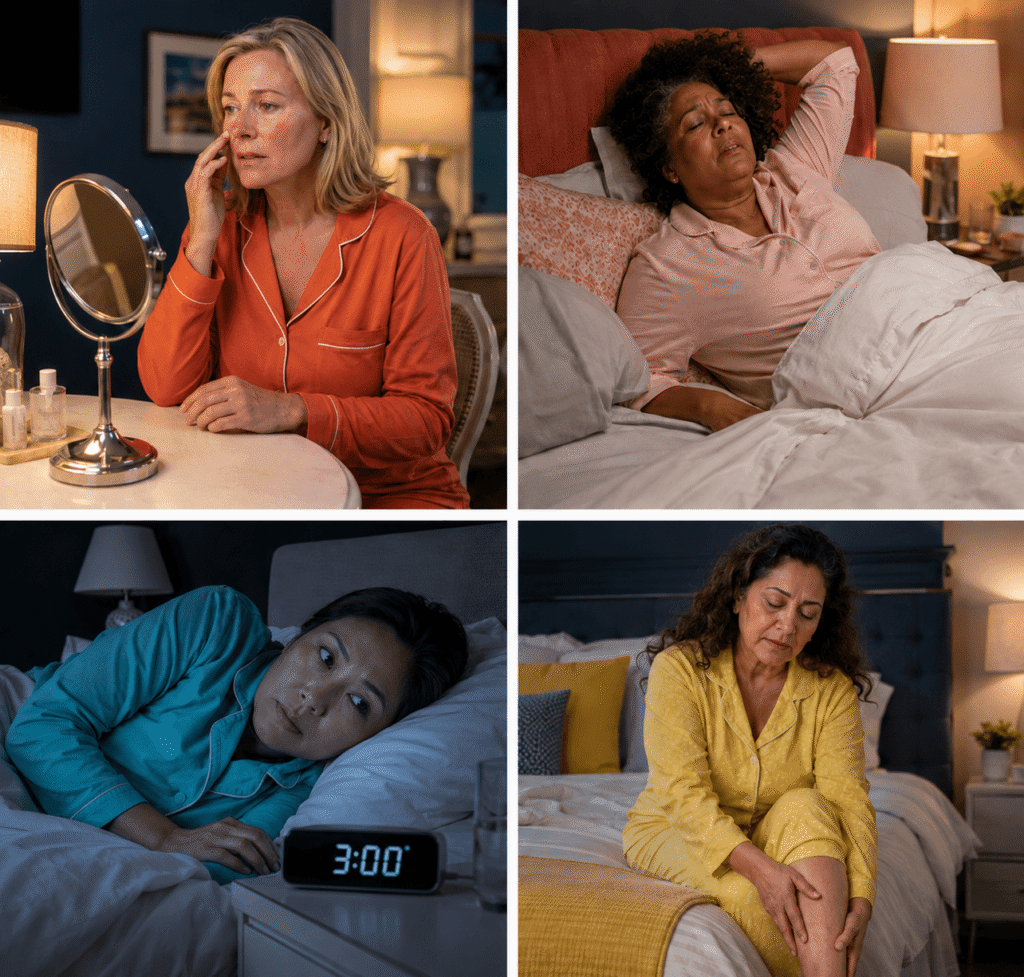
The most useful expert angle is a two-track sleep diary. Record both established menopause sleep drivers, such as night sweats and snoring, and proposed histamine clues, such as itching and food timing. This prevents every 3:00 AM awakening from being attributed to histamine.
Manage Histamine With A Short Protocol

- For two weeks, record bedtime, awakenings, night sweats, itching, congestion, palpitations, alcohol, menstrual changes, medicines, and dinner ingredients.
- Keep regular wake and meal times. Finish dinner about three hours before bed and follow consistent sleep hygiene.
- If symptoms repeatedly follow aged, fermented, cured, or long-stored foods, ask a registered dietitian about a supervised low histamine diet for two to four weeks.
- Use fresh foods and freeze leftovers promptly. Do not begin a highly restrictive elimination diet indefinitely.
- Reintroduce foods systematically to identify dose and tolerance. The goal is not complete elimination of histamine.
- Do not self-prescribe DAO supplements or sedating antihistamines. Dosage, interactions, anticholinergic effects, and the underlying diagnosis require clinical review.
- Seek menopause care if hot flashes, anxiety, pain, or insomnia persist. CBT-I and appropriate vasomotor treatment have stronger evidence than unproven histamine protocols.
Lower Histamine Is Not Always Better
Histamine helps maintain normal wakefulness, immunity, digestion, and cognition. Trying to reduce histamine indiscriminately may produce nutritional restriction without solving poor sleep.
Instead, managing histamine intolerance during menopause should focus on reproducible triggers, adequate nutrition, and symptom response. A Wise Woman approach asks what the evidence supports while remaining curious about individual patterns.
Frequently Asked Questions
Can High Histamine Levels Keep Me Awake During Menopause?

High histamine promotes wakefulness in the brain, so excessive histamine activity could theoretically contribute to alertness. Yet elevated histamine levels have not been established as a common cause of menopause insomnia. Look for accompanying flushing, itching, congestion, headache, or digestive symptoms and obtain a clinical assessment.
Why Do I Feel Itchy Or Restless At Night During Perimenopause?
Perimenopause can cause dry skin, temperature changes, anxiety, allergy symptoms, or restless legs. Histamine release from mast cells can produce itching, but nighttime itching alone does not confirm intolerance. Persistent symptoms deserve evaluation for skin disease, iron deficiency, medication effects, thyroid disease, or allergy.
Will A Low-Histamine Diet Help Me Stay Asleep?

A low histamine diet may help people whose symptoms reliably follow dietary histamine, although direct evidence for menopause insomnia is lacking. Use a brief, supervised trial rather than removing many nutritious foods permanently. Track sleep and non-sleep symptoms, then reintroduce foods to test whether the improvement is reproducible.
Is Estrogen Linked To Histamine Intolerance?
Estrogen can affect histamine signaling and mast-cell behavior, but human menopause research is incomplete. Hormonal fluctuation may explain why some women notice changing sensitivity during perimenopause and menopause, yet it cannot diagnose histamine intolerance. Other causes of flushing, allergy-like symptoms, and sleep disruption should be investigated.
Continue Your Journey
Your Second Spring should not be defined by exhausted mornings. Continue with this guide, Why Can’t I Stay Asleep During Menopause And How Do I Fix It?, to compare night sweats, stress, sleep apnea, restless legs, habits, and evidence-based treatment options.
References
- Thakkar MM. Histamine in the regulation of wakefulness. Sleep Medicine Reviews. 2011;15(1):65-74. PubMed
- Mochizuki T, Yamatodani A, Okakura-Mochizuki K. Histamine as an alert signal in the brain. Current Topics in Behavioral Neurosciences. 2022;59:147-165. PubMed
- Haas HL, Sergeeva OA, Selbach O. Histamine in the nervous system. Physiological Reviews. 2008;88(3):1183-1241. PubMed
- Chen W, Mempel M, Schober W, Behrendt H, Ring J. Gender difference, sex hormones, and immediate type hypersensitivity reactions. Allergy. 2008;63(11):1418-1427. PubMed
- Comas-Basté O, Sánchez-Pérez S, Veciana-Nogués MT, Latorre-Moratalla M, Vidal-Carou MC. Histamine intolerance: The current state of the art. Biomolecules. 2020;10(8):1181. PubMed
- Jackson K, et al. Evidence for dietary management of histamine intolerance. Journal of Human Nutrition and Dietetics. 2025. PubMed
- The Menopause Society. Menopause symptoms: hot flashes and night sweats. Patient Education