The 60-Second Answer
L-Theanine for menopause sleep anxiety may promote relaxation without acting like a conventional sedative. Early research suggests it can reduce stress-related mental arousal and improve sleep quality, sleep onset, and nighttime rest. However, menopause-specific trials remain limited, so persistent waking, hot flashes, or suspected sleep apnea require clinical assessment.
How L-Theanine Quiets Menopause Brain
L-theanine is an amino acid naturally concentrated in tea leaves. Unlike a sleep medication, it does not appear to force unconsciousness. Its more plausible role is reducing the mental hyperarousal that makes a tired brain feel unwilling to switch off.
During perimenopause and menopause, fluctuating estrogen and progesterone can affect hormone receptors involved in temperature control, mood, and nervous system regulation. Progesterone-derived neurosteroids normally influence calming GABA pathways, while estrogen interacts with serotonin and other signaling systems. These changes of menopause can make stress and anxiety, hot flashes, and disrupted sleep occur together.
L-theanine may modulate glutamate signaling and influence GABA, dopamine, and serotonin activity, although much of the detailed mechanism comes from laboratory research. Human electroencephalography studies also suggest changes in alpha-wave activity associated with relaxed attention. This makes L-theanine better understood as a relaxation aid than a direct hormone treatment.
L-Theanine May Reduce Mental Arousal
A small randomized crossover trial gave healthy adults 200 mg daily for four weeks. Participants reported improvements in stress-related symptoms and several Pittsburgh Sleep Quality Index components, including sleep latency and sleep disturbance. The study was not limited to women in perimenopause and menopause, so it cannot prove that L-theanine treats menopausal sleep disturbances.
A 2025 systematic review and meta-analysis found modest improvements in subjective sleep onset latency, daytime dysfunction, and overall subjective sleep quality. Objective sleep findings were less consistent. That distinction matters: feeling calmer and more satisfied with sleep is valuable, but it does not necessarily mean total sleep time or sleep architecture has substantially changed.
L-Theanine Is Not Usually Sedating
L-theanine is not a hypnotic and does not directly increase melatonin. A review proposed that 200 mg before bed may support natural sleep through anxiolysis, meaning reduced anxiety, rather than sedation. This mechanism helps explain why morning grogginess is not considered a typical effect.
Individual responses still vary. Headache, dizziness, gastrointestinal discomfort, or unexpected drowsiness can occur. Products containing green tea, matcha, caffeine, magnesium, melatonin, or additional natural sleep aids may produce very different effects from pure L-theanine.
L-Theanine Versus Other Sleep Options

| Option | Primary Role | Evidence For Sleep | Grogginess Risk | Key Limitation |
|---|---|---|---|---|
| L-theanine | Reduces mental arousal | Modest subjective benefits | Generally low | Few menopause-specific trials |
| Melatonin | Supports circadian timing | Best for timing-related sleep issues | Possible | May not prevent hot-flash waking |
| Magnesium | Corrects deficiency; may aid relaxation | Mixed and population-dependent | Low to moderate | Research on magnesium for sleep is inconsistent |
| CBT-I | Retrains insomnia patterns | Strong for chronic insomnia | None | Requires structured participation |
| Menopause hormone therapy | Treats vasomotor symptoms | May help when symptoms disrupt sleep | Not typical | Requires individualized risk assessment |
Menopause Sleep Problems Have Many Causes
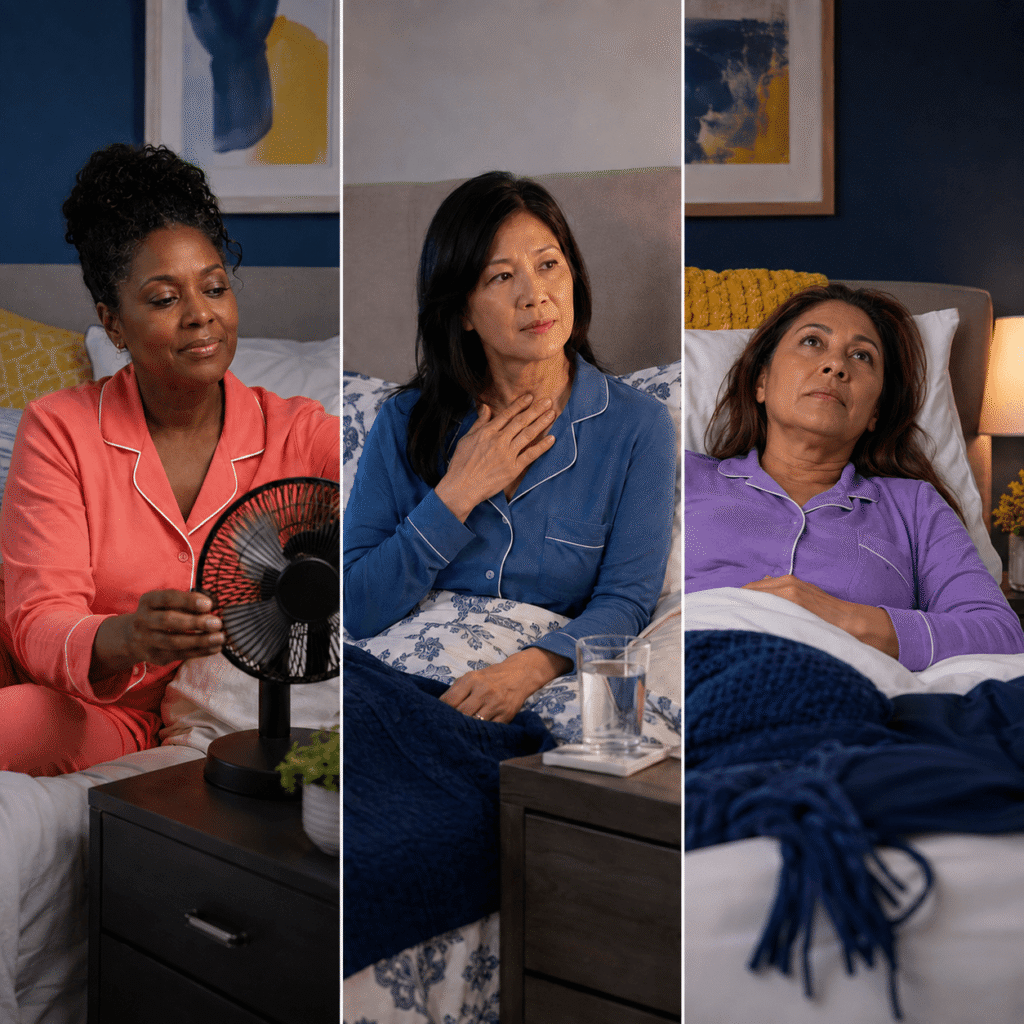
Poor sleep quality in perimenopause or menopause should not automatically be blamed on anxiety. Sleep disturbances in perimenopause can develop when hormonal fluctuations, night sweats, mood changes, and underlying health problems overlap. A hot flash may trigger an awakening, but sleep apnea, restless legs syndrome, depression, chronic pain, reflux, alcohol, medication effects, and an inconsistent sleep schedule can also cause disrupted sleep and increased wake after sleep onset.
The changes of menopause may affect sleep regulation, body temperature, mood and sleep, and the ability to get back to sleep after an awakening. Over time, repeated sleep loss can alter a woman’s sleep pattern, reduce sleep satisfaction, and create anxiety about bedtime. This relationship between anxiety and sleep can become self-reinforcing: worrying about reduced sleep increases alertness, which then makes natural sleep more difficult.
Do Not Overlook Sleep Apnea
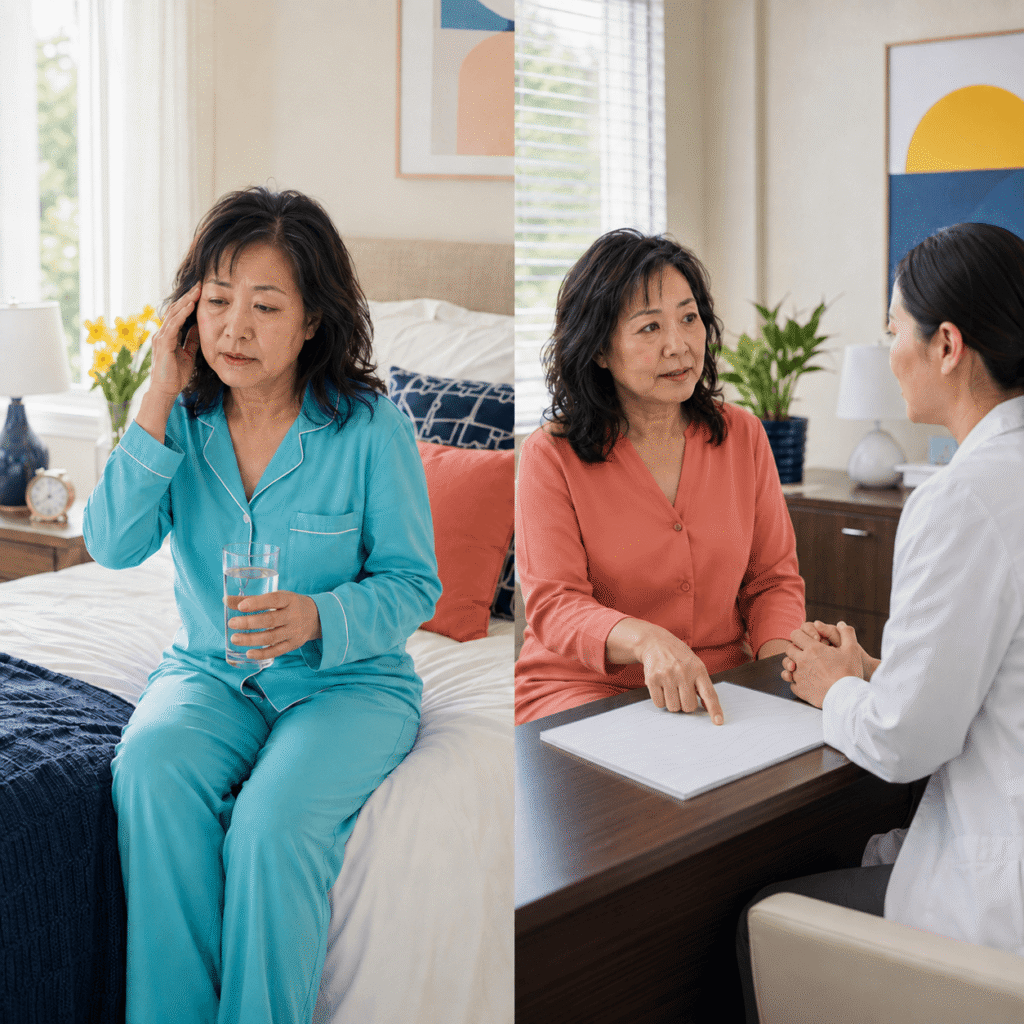
Sleep in postmenopausal women can be affected by obstructive sleep apnea even when a woman does not fit the stereotypical profile. Hormonal and body-composition changes may increase risk during and after menopause. Warning signs include loud snoring, gasping, morning headaches, dry mouth, severe daytime fatigue, frequent urination at night, or resistant hypertension. The NIH notes that sleep apnea risk rises during and after menopause and may be mistaken for insomnia, headaches, or ordinary fatigue. NIH/NHLBI
A sleep supplement cannot correct an obstructed airway. Likewise, natural sleep aids should not delay evaluation when symptoms suggest apnea or another medical sleep condition. An assessment by a clinician trained in sleep medicine may be necessary before treating sleep problems as uncomplicated insomnia.
Research examining sleep quality in postmenopausal women also shows that menopausal sleep disturbances are common and may include insomnia, sleep apnea, restless legs syndrome, and other sleep conditions. A large meta-analysis estimated that approximately half of postmenopausal women experience a sleep disorder, although prevalence varied considerably among studies. Systematic review
Matching Treatment to the Cause

Menopause hormone therapy may improve sleep indirectly when hot flashes and sleep disruption are closely connected. It is not a universal sleep medication, and whether it is appropriate depends on the woman’s menopause symptoms, medical history, age, risk factors, and treatment goals.
Cognitive behavioral therapy for insomnia, or CBT-I, remains a leading option for treating sleep-maintenance insomnia. It addresses unhelpful thoughts, inconsistent sleep habits, excessive time in bed, and sleep restriction strategies under professional guidance. CBT-I may help women sleep better without creating medication dependence. The Menopause Society recognizes CBT as an evidence-based approach for menopause-related insomnia and vasomotor symptoms. The Menopause Society
The best options for sleep depend on the cause. Someone with severe night sweats may need a different plan from someone whose primary problem is cognitive hyperarousal, restless legs, depression, or sleep apnea.
A Low-Grogginess L-Theanine Protocol
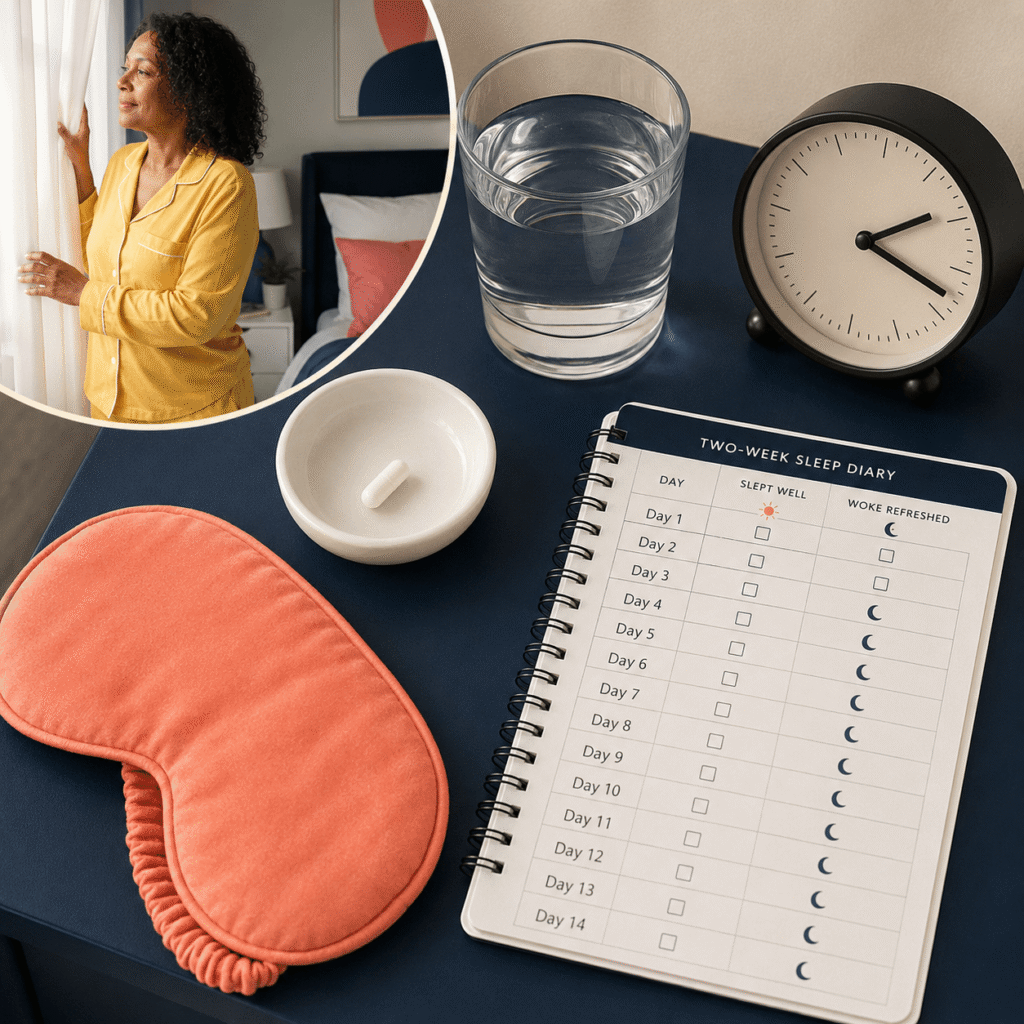
L-theanine is an amino acid naturally present in tea. It is marketed as a sleep supplement because it may promote relaxation and sleep without acting like a conventional sedative. However, evidence specifically involving women in perimenopause and menopause remains limited. It should therefore be viewed as one of several possible supplements for sleep, not as a proven treatment for every form of menopausal insomnia.
A recent systematic review found that studies have tested a wide range of doses, with the authors concluding that 200–450 mg per day may support healthy sleep in adults. However, the trials were not designed to establish an ideal dose for sleep in menopausal women, and product quality and study methods varied. L-theanine systematic review
If your clinician or pharmacist agrees that a cautious trial is suitable:
- Choose a caffeine-free, third-party-tested product containing only L-theanine. Avoid combination supplements for sleep support until you know which ingredient is affecting you.
- Consider beginning with 100 mg approximately 30–60 minutes before bed for three nights. This conservative starting point is not an officially established menopause dose.
- If it is well tolerated but does not help with sleep quality, ask whether increasing to 200 mg is reasonable. More is not guaranteed to produce high-quality sleep, increased sleep duration, or better morning energy.
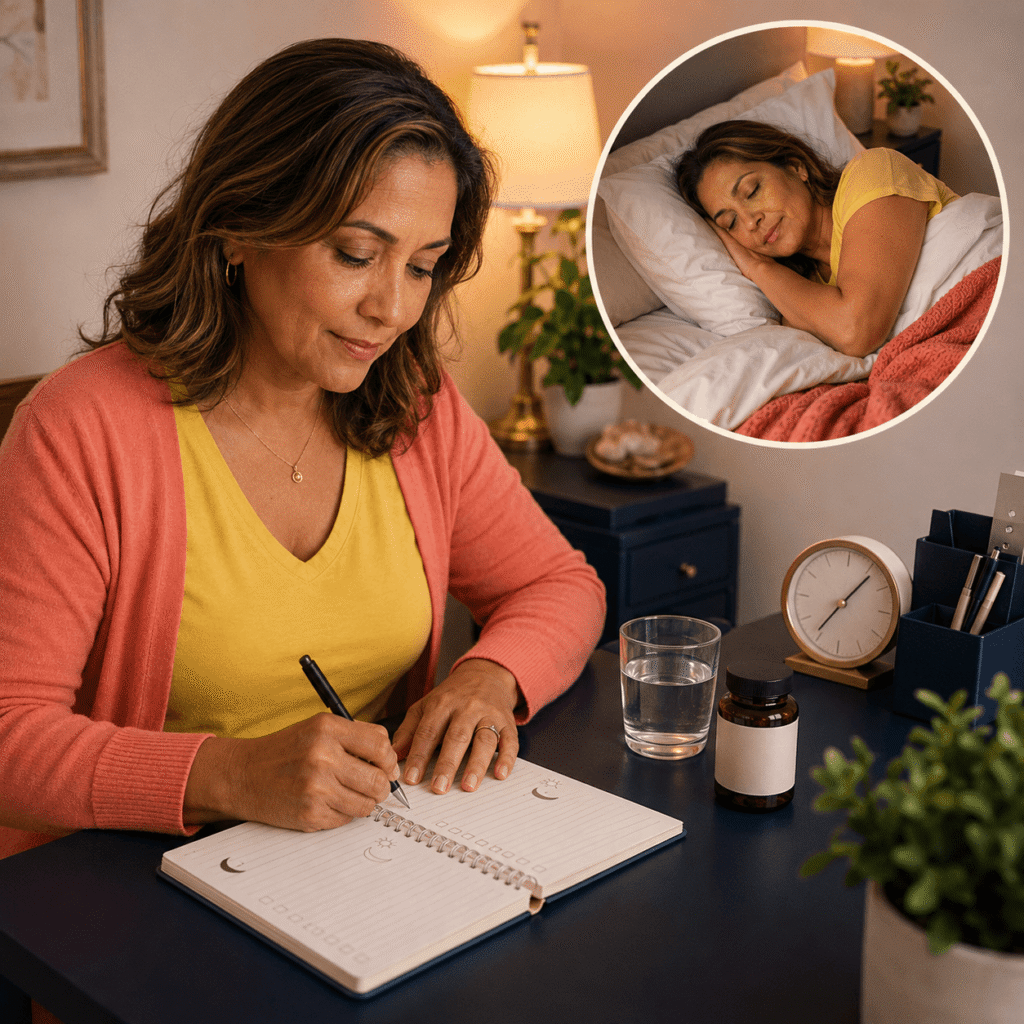
- Keep a two-week diary recording bedtime, wake time, estimated sleep duration, sleep efficiency, hot flashes, nighttime awakenings, time spent awake, morning alertness, and overall sleep satisfaction.
- Support healthy sleep with a cool bedroom, morning daylight, regular physical activity, limited late caffeine, moderate alcohol intake, and a consistent sleep schedule.
- Stop taking it and seek professional advice if you experience dizziness, marked sedation, palpitations, worsening mood, allergic symptoms, or any other concerning reaction.
- Arrange a clinical assessment of sleep if the problem occurs at least three nights per week for three months, causes substantial daytime impairment, or includes possible sleep-apnea symptoms.
Frequently Asked Questions
Is L-Theanine Safe With Antidepressants?
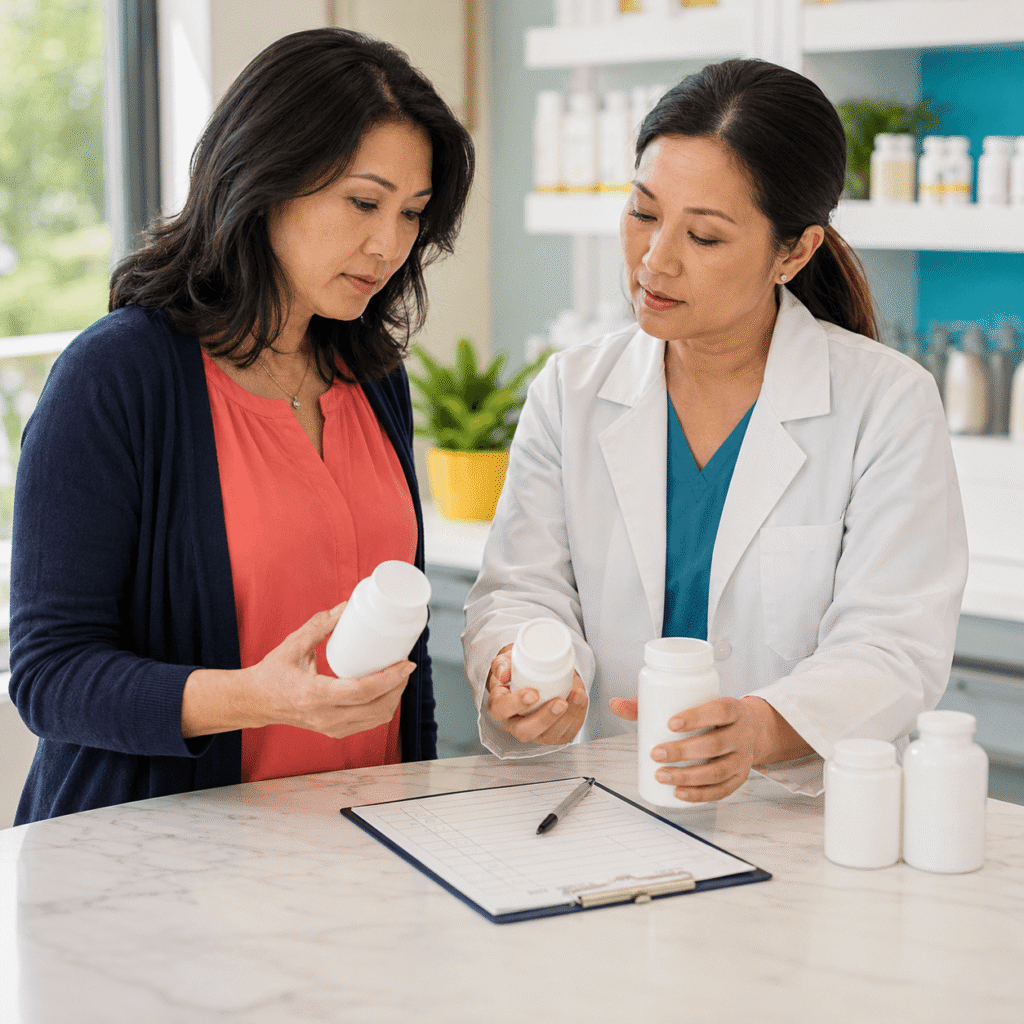
No major interaction is well established, but controlled safety data on combining L-theanine with antidepressants remain limited. Additive dizziness, drowsiness, or blood-pressure effects may be possible, especially when it is combined with a sleep medication, alcohol, or other supplements for sleep.
Ask your prescriber or pharmacist before combining these products. This is particularly important if you are being treated for depression, panic attacks, bipolar disorder, or another condition affecting sleep and mood.
Does L-Theanine Cause Morning Grogginess?
Morning grogginess is not considered a typical effect because L-theanine is associated more with relaxation than direct sedation. Nevertheless, individual responses differ, and there is not enough menopause-specific evidence to guarantee normal morning alertness.
Combination formulas containing melatonin, antihistamines, valerian, or other sedating ingredients may be more likely to cause grogginess. Choose a single-ingredient product, begin cautiously, and record any change in the quality of sleep and next-day functioning.
How Much L-Theanine Quiets a Racing Mind?
Clinical studies have commonly evaluated doses around 200 mg, while a recent review identified 200–450 mg daily as a potentially helpful range for supporting healthy sleep in adults. This does not establish an ideal dose for women experiencing sleep disorders during menopause.
Beginning with 100 mg and increasing only after professional guidance offers a cautious way to assess tolerability. Do not assume a larger dose will automatically produce better sleep quality or more restful sleep.
Can I Take L-Theanine After Waking?
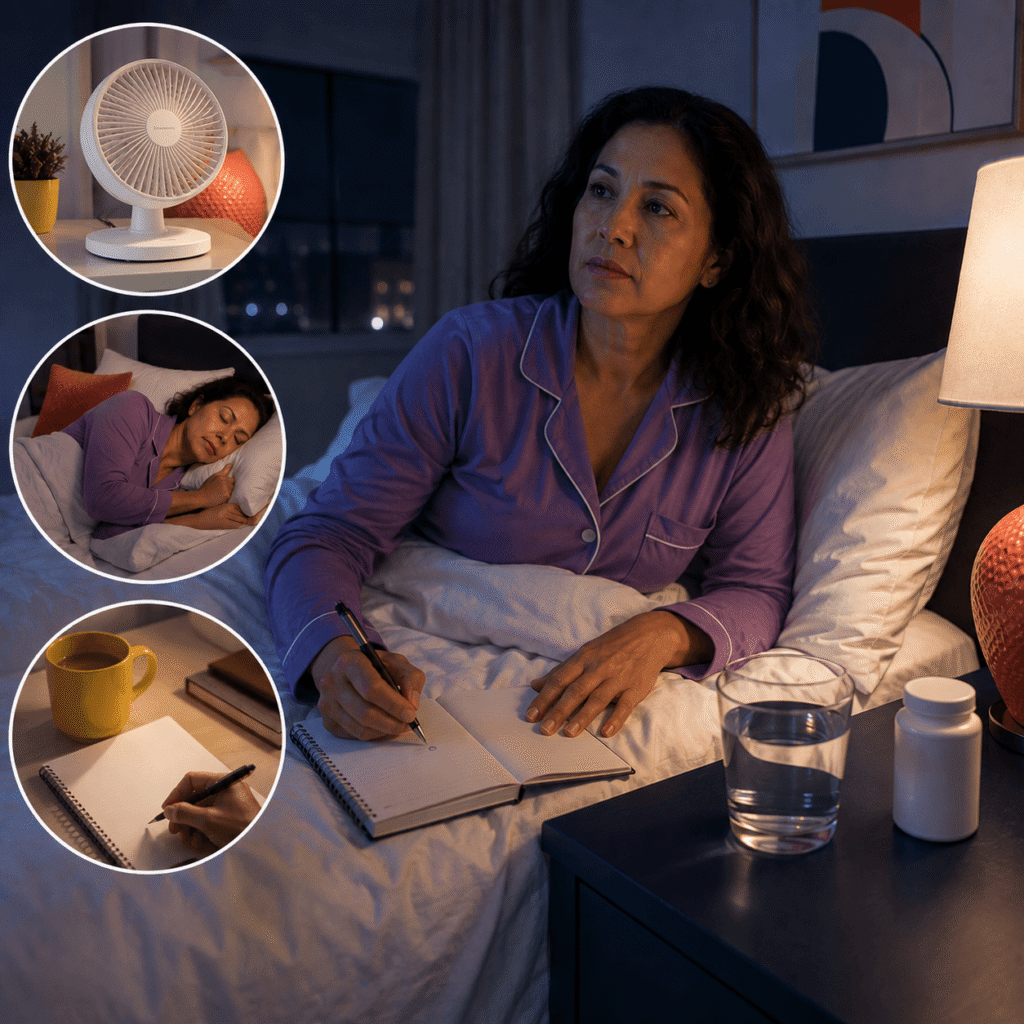
L-theanine has not been adequately studied as a middle-of-the-night method for getting back to sleep. Its onset and effects may not be predictable enough when only a short sleep duration remains before morning.
Repeated nighttime waking deserves evaluation for hot flashes, insomnia, alcohol use, medication effects, reflux, sleep apnea, and other causes of disrupted sleep. Rather than repeatedly taking another dose, record when you wake, what symptoms occur, and how long you remain awake.
Can L-Theanine Treat Menopausal Insomnia?
L-theanine may help with relaxation and sleep when racing thoughts or mild hyperarousal are prominent, but it is not an established treatment for menopausal insomnia. It will not correct airway obstruction, restless legs syndrome, severe vasomotor symptoms, or an underlying mood disorder.
Women seeking help with sleep quality should first identify the dominant cause. Appropriate options may include CBT-I, treatment for hot flashes, management of another health condition, or, when individually suitable, menopause hormone therapy.
Continue Your Journey
L-theanine may help quiet a racing mind, but lasting Second Spring sleep depends on identifying why you wake. Continue with Why Can’t I Stay Asleep During Menopause And How Do I Fix It? for a broader plan covering hormones, hot flashes, insomnia, sleep apnea, and healthy sleep regulation.
References
- Hidese S, et al. “Effects of L-Theanine Administration on Stress-Related Symptoms and Cognitive Functions in Healthy Adults.” Nutrients. 2019;11(10):2362. PubMed
- Bulman A, et al. “The Effects of L-Theanine Consumption on Sleep Outcomes: A Systematic Review and Meta-Analysis.” Sleep Medicine Reviews. 2025. PubMed
- Cotter J, et al. “Examining the Effect of L-Theanine on Sleep: A Systematic Review of Intervention Studies.” Nutritional Neuroscience. 2026. PubMed
- Rao TP, et al. “In Search of a Safe Natural Sleep Aid.” Journal of the American College of Nutrition. 2015;34(5):436-447. PubMed
- Baker FC, et al. “Sleep and Sleep Disorders in the Menopausal Transition.” Sleep Medicine Clinics. 2018;13(3):443-456. Full Text