Understand why hot flashes and night sweats occur during perimenopause and menopause. Compare hormonal and nonhormonal treatments, medications, supplements, cooling products, lifestyle strategies, and practical ways to manage vasomotor symptoms safely and comfortably.
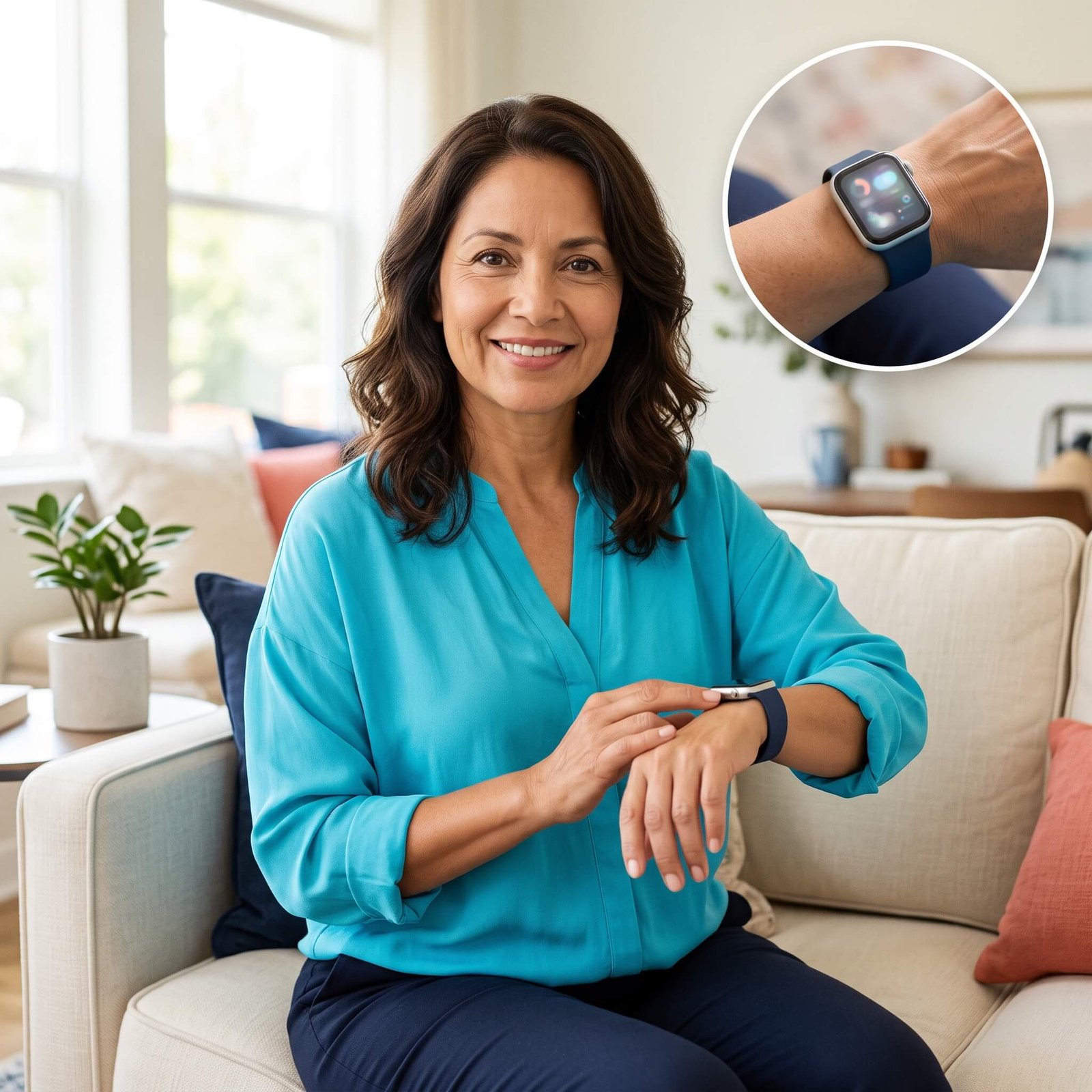
The 60-Second Answer Yes, AI hot flash prediction wearables are being developed to analyze physiological signals such as heart rate, skin temperature, and sweat responses to detect patterns before a hot flash occurs. While wearable devices cannot yet guarantee prediction, artificial intelligence and machine learning may help personalize menopause care…
The 60-Second Answer: Yes, hypnosis for hot flashes in cancer survivors can reduce how often flashes occur, how severe they feel, and how much they disrupt sleep and daily life. Clinical hypnosis uses focused relaxation and cooling imagery to change nervous system regulation. It is nonhormonal, but it should complement,…
The 60-Second Answer The best non hormonal cooling wipes for hot flashes are individually wrapped, alcohol-free, fragrance-free wipes with water, aloe, or a low-irritant cooling agent such as menthyl lactate. They can refresh sweaty skin and provide immediate comfort, but they do not prevent hot flashes or replace evidence-based treatment…
The 60-Second Answer You can enjoy a beach vacation while managing hot flashes in hot weather. Pack shade, water, a light cover-up, a spare dry swimsuit, and a cooling cloth. Plan beach time for cooler hours, and step out of the sun when a flush begins. These steps improve comfort…
The 60-Second Answer: Yes, dehydration can make menopause heart palpitations feel worse. Fluid loss can lower blood volume and increase heart rate, making a flutter or pounding sensation more noticeable. Hormonal changes may affect nervous system regulation too. Drink regularly, but see a doctor if palpitations recur or come with…
The 60-Second Answer: Yes, acupuncture for tamoxifen hot flashes may reduce night sweats and improve quality of life for some breast cancer survivors. Research reports lower hot flash frequency and severity, but results compared with sham acupuncture are mixed. Use acupuncture treatment as supportive oncology care, never as a replacement…
The 60-Second Answer: Yes, elinzanetant may be a safe, non-hormonal option for hot flashes after breast cancer when prescribed and monitored by an oncology team. The OASIS-4 clinical trial found meaningful relief during endocrine therapy, but U.S. approval is currently for vasomotor symptoms due to menopause, not specifically breast cancer…
The 60-Second Answer Yes, effective hot flash relief for breast cancer survivors can include cognitive behavioral therapy, certain antidepressants, gabapentin, oxybutynin, and practical cooling strategies. Treatment must be personalized by an oncology clinician because tamoxifen interactions, liver health, sleep problems, and other medications influence which nonhormonal option is safest. Hot…
The 60-Second Answer Because a hot flash activates your body’s heat-release response, blood vessels widen, sweat begins, and your heart rate may briefly rise. Heart racing during hot flashes can be part of this response. A new, persistent, irregular, or unusually intense racing heartbeat still deserves medical assessment, especially with…
The 60-Second Answer Menopause night sweats usually come as sudden waves of heat during sleep, followed by sweating and chills. Thyroid problems may make you feel too hot or too cold throughout the day. For night sweats vs thyroid temperature intolerance, notice the timing and ask your doctor whether thyroid…