The 60-Second Answer
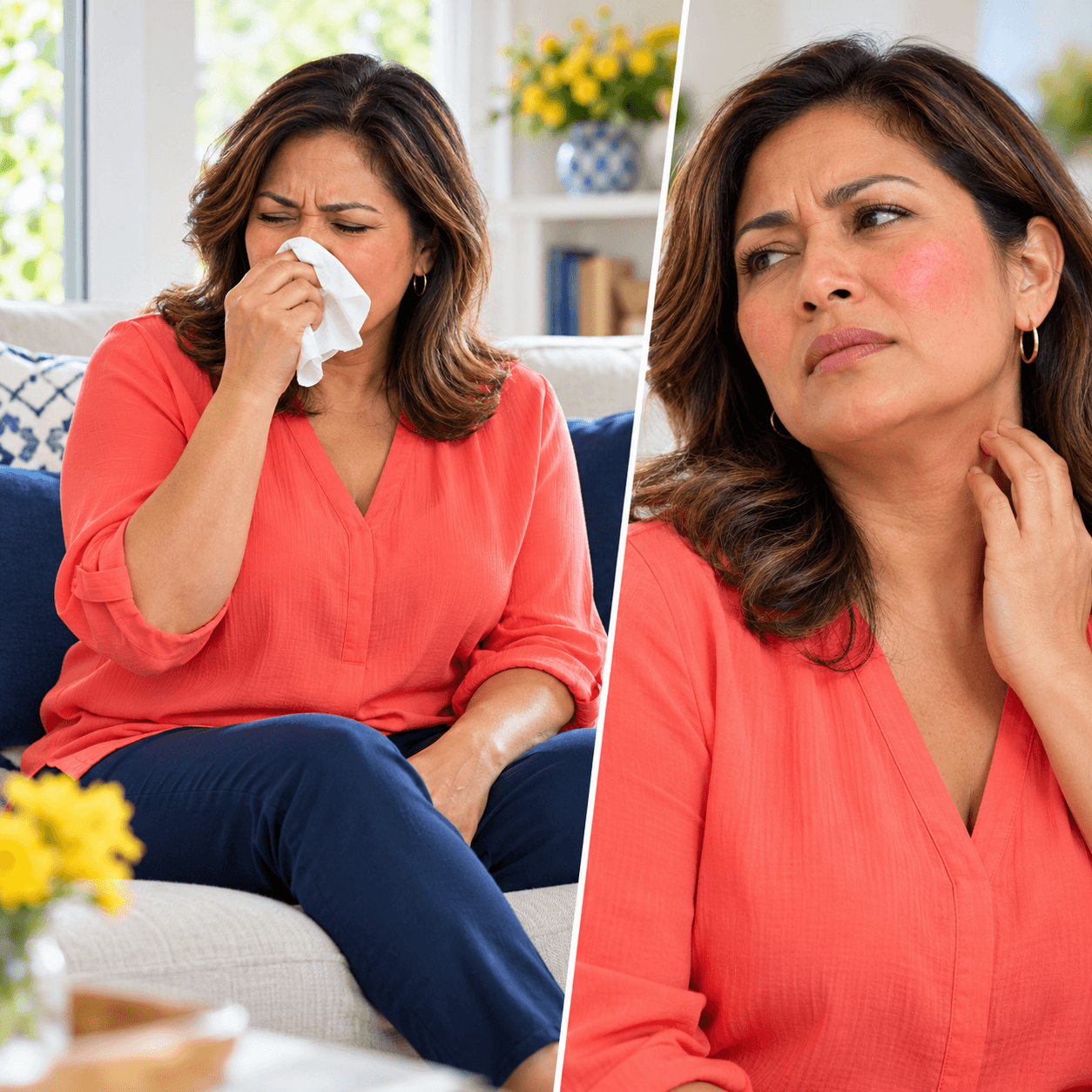
During perimenopause, changing estrogen levels may affect immune cells that release histamine, making allergy symptoms worse for some women. However, the link between menopause and histamine intolerance is still being studied. New itching, congestion, or food reactions deserve medical attention because hormones may not be the only cause of symptoms.
Perimenopause Can Alter Allergy Responses
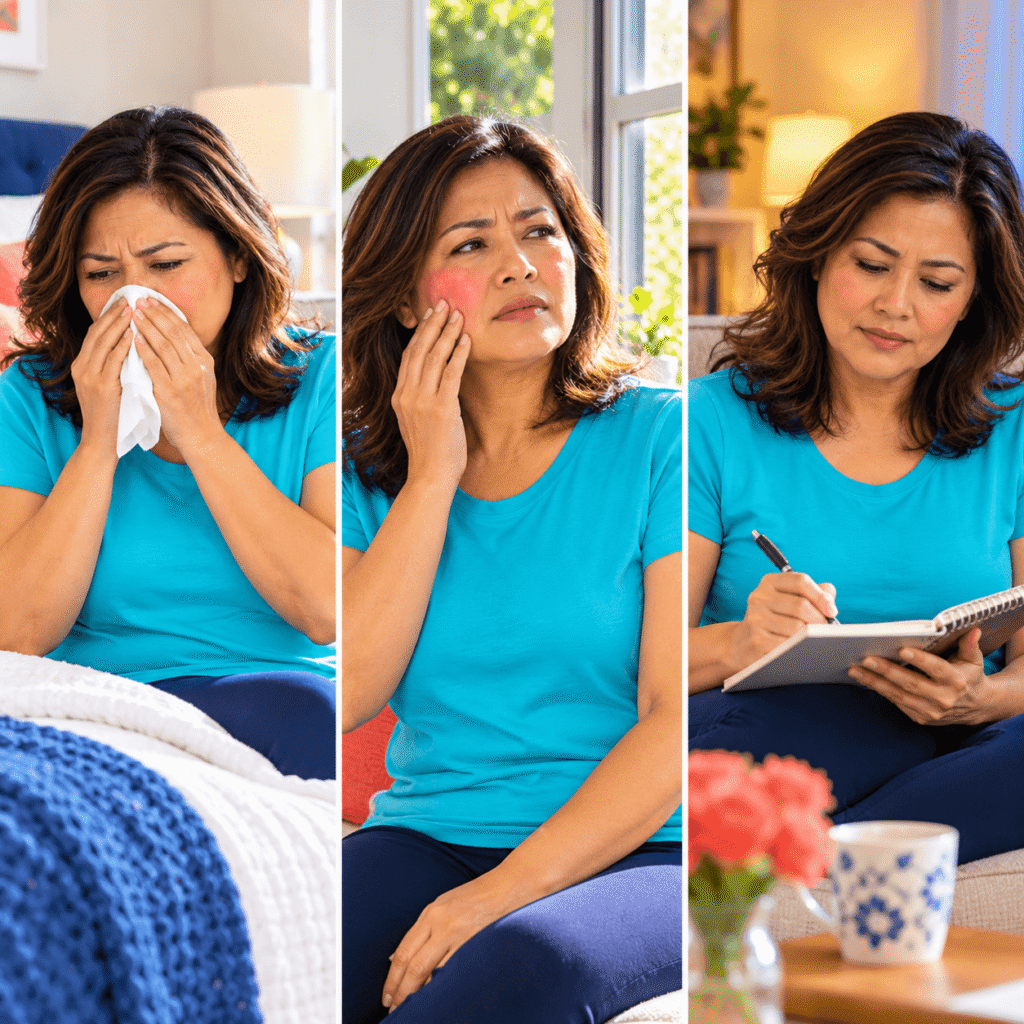
During a transition like perimenopause, estrogen does not decline steadily. Your estrogen level can rise and fall unpredictably, while progesterone becomes less consistent as ovulation becomes irregular.
Mast cells contain histamine and other inflammatory mediators. These cells have hormone receptors, allowing estrogen and progesterone to influence their behavior. Laboratory research shows that estrogen activates mast cells under certain conditions and that estrogen increases histamine release in some experimental models.
However, laboratory findings do not establish that hormonal fluctuations cause clinically high histamine in every woman. Declining estrogen can also affect tissue barriers, while chronic stress and sleep disruption influence nervous system regulation and how symptoms feel.
A 2026 review concludes that menopause may modify allergic disease but highlights limited clinical evidence and important research gaps. Perimenopause may change symptom patterns without necessarily causing elevated histamine levels. pmc.ncbi.nlm.nih.gov
Histamine Supports Essential Functions
Histamine in the body supports immune defense, wakefulness, and gastric acid secretion. You need enough histamine for normal physiology.
Allergens can trigger histamine release, contributing to itching, sneezing, and swelling. Histamine also enters through food, and some gut microbiome organisms produce histamine.
Diamine oxidase, or DAO, is an intestinal enzyme that breaks down histamine from food. Other pathways help regulate histamine in your body, so DAO alone does not determine total histamine levels. PubMed
Histamine Intolerance Differs From Allergy

Histamine intolerance occurs, according to the proposed model, when ingested histamine exceeds an individual’s capacity for histamine breakdown. Clinical definitions and diagnostic methods remain debated.
Food allergies involve immune reactions to particular food proteins. Suspected reactions to histamine are different, even when symptoms overlap.
There is no single validated test to diagnose histamine intolerance. Serum DAO cannot reliably show how efficiently your body breaks down histamine in the intestine. Claims about histamine intolerance during the menopause therefore require careful evaluation. pubmed.ncbi.nlm.nih.gov
Symptoms Of Histamine Are Nonspecific
Potential symptoms of histamine intolerance include flushing, headache, abdominal discomfort, diarrhea, and nasal complaints. These histamine symptoms overlap with migraine, medication effects, allergy, and menopause symptoms.
| Possible Explanation | Typical Clue | Appropriate Next Step |
|---|---|---|
| Seasonal allergy | Itchy eyes and sneezing after pollen exposure | Targeted allergy assessment |
| Nonallergic rhinitis | Congestion after odors or weather changes | Clinical evaluation |
| Food allergy | Repeated reaction to a specific food | Allergist assessment |
| Suspected histamine intolerance | Variable symptoms after certain meals | Exclude alternatives |
| Mast cell activation syndrome | Severe recurrent episodes across body systems | Specialist testing |
Mast cell activation syndrome requires specific clinical and laboratory criteria. Ordinary mast cell activation during an allergy does not establish this syndrome. Seek emergency help for breathing difficulty, throat swelling, or fainting. www.aaaai.org
Mast Cell Patterns Guide Investigation
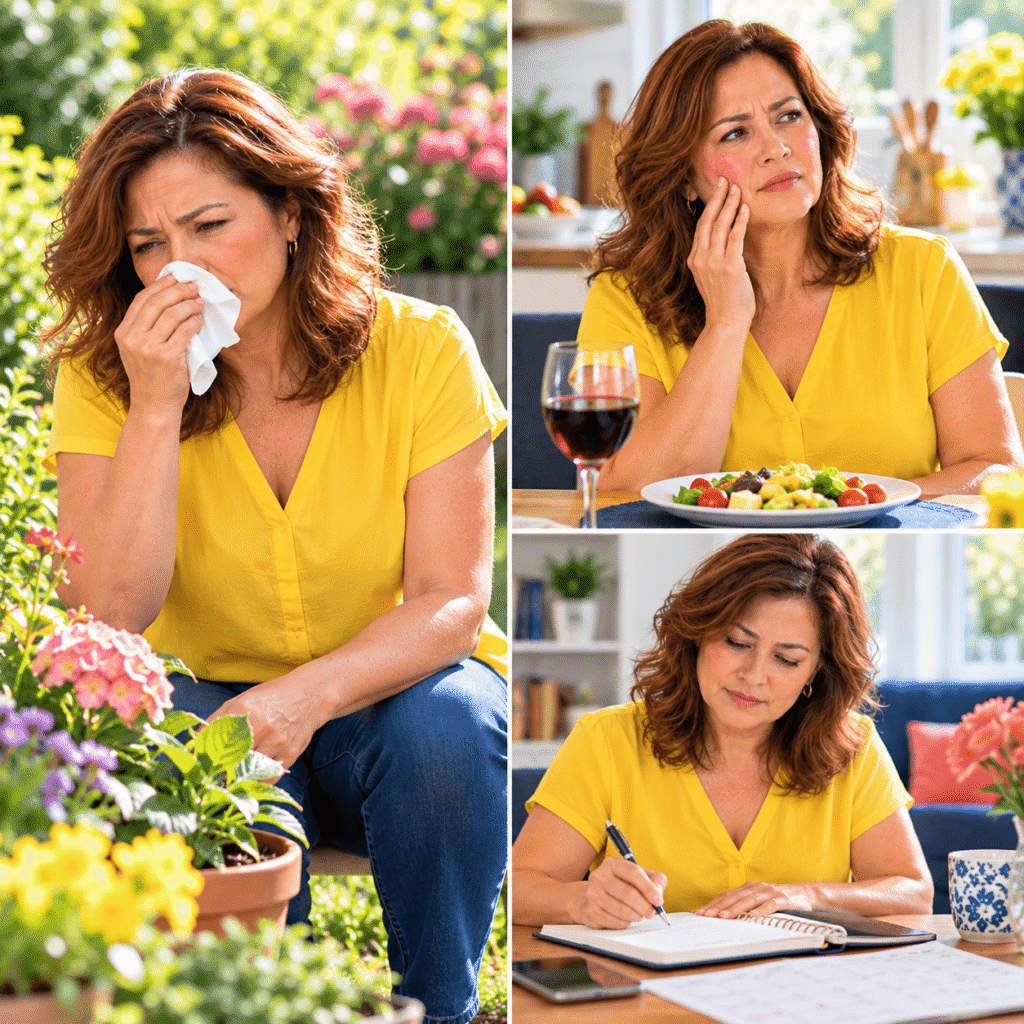
A useful expert angle is to compare cycle timing with exposure timing. Track pollen, meals, alcohol, medications, sleep, and menstrual changes together.
Sneezing after gardening suggests a different investigation from flushing after wine. Note whether symptoms go away when exposure stops, and share any family history of similar symptoms.
When clinicians talk about histamine and hormones, timing offers clues, not proof. It helps distinguish symptoms linked to perimenopause and histamine from unrelated conditions.
Histamine Foods Vary With Storage

High histamine foods often include aged cheeses, fermented products, and inadequately stored fish. The amount of histamine varies with processing and storage, so a food is not consistently high in histamine under every circumstance.
The reasons histamine reactions occur may involve food exposure, individual tolerance, or another diagnosis. Gut inflammation, including inflammatory bowel disease, warrants assessment when digestive symptoms persist.
A supervised low histamine diet may be helpful for selected patients, followed by reintroduction. Avoid assuming particular foods make histamine intolerance worse without a reproducible pattern. pmc.ncbi.nlm.nih.gov
Menopause HRT Needs Individual Review

HRT can help appropriate patients manage established menopausal symptoms. However, HRT may affect allergic responses differently between individuals and is not a proven way to manage histamine intolerance.
If symptoms can worsen after starting HRT, discuss the timing with your prescriber. Do not change hormone doses solely to lower histamine.
Mary Claire Haver and The ’Pause Life by Dr. Haver provide menopause education. Such resources can help you learn how histamine intolerance is discussed, but individualized assessment remains essential for health in menopause.
Histamine Treatment Depends On The Cause
Treating histamine-related complaints starts with identifying the cause. An antihistamine can reduce certain allergic symptoms, but improvement does not confirm intolerance during perimenopause.
DAO supplements have limited supporting evidence and no established menopause-specific dosing protocol. Whether they help histamine intolerance remains uncertain; discuss them before use rather than assuming they remove excess histamine throughout the body.
Daily Steps Can Reduce Allergy Exposure

- Track for two weeks: Record symptoms, cycle timing, food, pollen, alcohol, medications, and sleep.
- Reduce exposure: Close bedroom windows during high pollen periods and shower after outdoor activity.
- Rinse safely: Use saline nasal irrigation once daily with distilled, sterile, or previously boiled and cooled water; clean the device.
- Review medications: Ask whether a daily nasal corticosteroid or antihistamine suits your symptoms, following product directions.
- Keep dietary trials targeted: Seek dietitian support if meals repeatedly make symptoms worse; avoid indefinite restrictions.
These steps may help with histamine intolerance assessment while addressing common allergy triggers. Saline removes allergens and mucus, but persistent allergic rhinitis may need medication. www.aaaai.org
Frequently Asked Questions
Why Do New Allergies Appear In Perimenopause?
Adult-onset allergy can develop independently of menopause. Hormonal changes may influence existing reactions, while irritation can mimic allergy. Testing should follow your history.
Does Perimenopause Cause High Histamine Levels?
Estrogen and histamine interact in experimental research. Increased histamine has not been established in all women experiencing menopause. Symptoms cannot show how much histamine is circulating.
Can Low Progesterone Worsen Seasonal Allergies?
Progesterone influences immune signaling, but its effects vary. Low progesterone is not an established explanation for worsening symptoms. Review allergy management first.
How Can I Lower Histamine Naturally In Menopause?

Address confirmed triggers and store food appropriately. A supervised dietary trial may clarify suspected food reactions. Broad restrictions do not reliably help histamine intolerance.
Does Menopause Reduce The DAO Enzyme?
A consistent menopause-related DAO decline is unproven. Blood testing cannot reliably establish intestinal clearance. Persistent symptoms may require gastrointestinal evaluation.
Continue Your Journey
Your Second Spring deserves clearer answers and practical support. Explore how menopause affects your eyes, ears, and sinuses, and which natural treatments support these sensory changes. Connect your symptoms, prepare thoughtful questions, and approach your Wise Woman years with confidence.
References
- Zierau O, Zenclussen AC, Jensen F. Role of female sex hormones, estradiol and progesterone, in mast cell behavior. Frontiers in Immunology. 2012;3:169. doi:10.3389/fimmu.2012.00169.
- Valerieva E, et al. Women hormones and hypersensitivity: allergic diseases in menopause. Frontiers in Allergy. 2026;7:1777688. doi:10.3389/falgy.2026.1777688.
- Comas-Basté O, et al. Histamine intolerance: the current state of the art. Biomolecules. 2020;10(8):1181. doi:10.3390/biom10081181.
- Reese I, et al. Guideline on management of suspected adverse reactions to ingested histamine. Allergologie Select. 2021;5:305–314. PubMed.
- American Academy of Allergy, Asthma & Immunology. Rhinitis; Saline Sinus Rinse; Mast Cell Activation Syndrome.