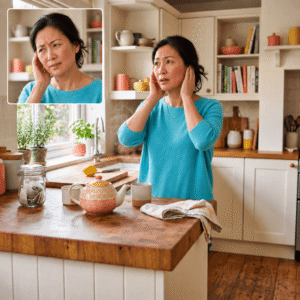
The 60-Second Answer
Yes, heart palpitations are common during perimenopause and menopause, and most are not dangerous. But if you are asking whether menopause heart palpitations are dangerous for you, the answer depends on your symptoms and heart rhythm. Seek emergency care for palpitations with chest pain, shortness of breath, or fainting. Have recurring or worsening episodes assessed.
Menopause And Heart Palpitations Often Overlap
A flutter in your chest can be startling, especially when it arrives alongside a hot flash. You may wonder whether your heart is skipping a beat or whether something more serious is happening. Palpitations during menopause deserve a calm, practical response: notice the pattern, recognize warning signs, and investigate symptoms that persist.
Heart palpitations are sensations of pounding, fluttering, skipped beats, or a racing heart. They are among the possible symptoms of menopause, but they are a sensation, not a diagnosis of an irregular heart rhythm. Women experience them at different stages, including perimenopause and menopause.
A systematic review of palpitations prevalence by menopausal status found reported rates of 20.1% to 40.2% in perimenopausal women and 15.7% to 54.1% in postmenopausal women. The ranges are wide because the studies asked different questions over different time periods. The finding supports taking menopausal palpitations seriously as a common symptom, but it cannot tell whether an individual episode is benign.
Hormonal Changes May Affect Heartbeat Awareness
Perimenopause is the time before the final menstrual period when hormone levels fluctuate and periods change. Menopause occurs after 12 months without a period; the years afterward are postmenopause. Across this menopause transition, declining estrogen and changing progesterone accompany shifts in sleep, temperature regulation, and the body’s response to stress. my.clevelandclinic.org
Estrogen acts through hormone receptors in the cardiovascular and nervous systems. Changes in nervous system regulation, together with hot flashes and night sweats, may make a heartbeat feel faster or more forceful. That is a plausible connection between menopause and heart sensations, but research has not established that hormonal changes cause every episode of heart palpitations during menopause. link.springer.com
Palpitations In Perimenopause Have Other Causes
Common causes of heart palpitations include poor sleep, stress, caffeine, alcohol, nicotine, strenuous exercise, and certain medicines. Anemia, an overactive thyroid, and a heart condition such as an arrhythmia can also be responsible. If you experience heart palpitations while going through the menopause, symptoms like hot flashes may provide context, but they do not establish what is causing the palpitations. www.heart.org
Heart Palpitations During Menopause Need Context
| What You Notice | What It May Mean | What To Do |
|---|---|---|
| A brief, occasional thump without other symptoms | Sometimes an extra beat or heightened heartbeat awareness | Note when it happened |
| Heart racing around poor sleep, caffeine, or a hot flash | A possible trigger, though the cause is unconfirmed | Track whether the pattern repeats |
| Episodes that recur, worsen, or last more than a few minutes | A cause that warrants assessment | Talk to your doctor |
| Palpitations with chest pain, shortness of breath, or fainting | A possible urgent medical problem | Seek emergency care now |
These patterns help you decide when to seek care; they cannot identify your heart rhythm. www.heart.org
Heart Disease Risk Needs Its Own Review
The connection between menopause and heart health goes beyond palpitations. The American Heart Association identifies the menopause transition as a period when changes in cholesterol, body fat distribution, blood vessels, and sleep can affect your heart. Blood pressure, cholesterol, diabetes, smoking, and a history of heart problems also matter when reviewing risk factors for heart disease. A palpitation alone does not measure your risk of a heart attack or stroke.
If you are worried about heart disease, ask for an assessment of your overall symptoms and risk rather than assuming palpitations are linked to either menopause or underlying heart disease. This is a useful step in protecting your heart through your Second Spring.
Heart Attacks Have Warning Signs
Most palpitations are benign, but new symptoms can change the urgency. Call your local emergency number if palpitations come with chest pain or pressure, shortness of breath, or fainting. Nausea and pain in the back or jaw can also occur with a heart attack, particularly in women. Do not wait for symptoms of an acute heart problem to resemble someone else’s experience.
Treatment Options Depend On The Diagnosis
When you report heart palpitations, a clinician may ask when they began, how long they last, whether your heart is racing or feels irregular, and what other symptoms occur. An ECG checks the heart’s electrical activity. Blood tests can look for anemia, thyroid problems, or electrolyte changes; a wearable monitor may help capture an episode that does not happen during the appointment.
Treatment options then follow the cause. Reducing an identified trigger may help, while a diagnosed rhythm disorder may need medicine or a procedure. The Menopause Society supports hormone therapy as an effective treatment for bothersome hot flashes and night sweats, but evidence that menopausal symptom treatment reliably resolves palpitations remains limited. Discuss menopausal symptom treatment options and unexplained palpitations with your clinician.
A Symptom Record Makes Your Appointment More Useful
The most useful expert angle is to separate what you feel from what your heart is doing. Palpitations may occur even when a monitor records a normal rhythm; at other times, testing identifies an arrhythmia. The correlates of palpitations during menopause, including sleep and stress, offer clues, not a diagnosis.
- During an episode, note the time and duration. Write down whether the heartbeat feels regular, irregular, pounding, or fast.
- Record accompanying symptoms. Include a hot flash, dizziness, chest discomfort, or breathlessness.
- Track possible triggers for two weeks. Include sleep, caffeine, alcohol, exercise, medicines, and night sweats.
- Arrange an assessment if episodes recur, worsen, last more than a few minutes, or concern you. Seek emergency care for the warning signs above. www.heart.org
Frequently Asked Questions
Can Menopause Cause A Racing Heart At Night?
Some people notice heart palpitations and menopause symptoms together at night, especially during night sweats. Poor sleep and stress are also possible contributors. Recurring nighttime episodes should be assessed rather than attributed automatically to hormones. link.springer.com
Are Menopausal Palpitations A Heart Attack Sign?
Palpitations alone usually do not indicate a heart attack. Chest pain or pressure, shortness of breath, fainting, or other concerning symptoms change the picture. Seek emergency help when those warning signs occur. www.heart.org
Why Do Some Women Experience Palpitations More Often?
The stage of menopause, sleep disruption, stress, medicines, and other health conditions may all influence who notices palpitations. Research on the correlates of palpitations during menopause has not produced a reliable way to predict an individual woman’s cause. A symptom record and medical evaluation are more useful than guessing from hormone levels alone. link.springer.com
Will Treating Hot Flashes Stop Heart Palpitations?
Managing menopausal symptoms like hot flashes can improve comfort and sleep. However, the effect of menopausal symptom treatment options on palpitations is not established well enough to promise that they will stop. Talk to your doctor about both symptoms and whether your heart rhythm needs checking.
References
- Carpenter JS, et al. “A Systematic Review of Palpitations Prevalence by Menopausal Status.” Current Obstetrics and Gynecology Reports. 2021;10:7–13. https://doi.org/10.1007/s13669-020-00302-z link.springer.com
- Carpenter JS, et al. “Correlates of Palpitations During Menopause: A Scoping Review.” Women’s Health. 2022. https://pmc.ncbi.nlm.nih.gov/articles/PMC9289918/ PMC
- “Effect of Menopausal Symptom Treatment Options on Palpitations: A Systematic Review.” https://pmc.ncbi.nlm.nih.gov/articles/PMC9710005/ PMC
- National Health Service. “Heart palpitations.” Reviewed March 17, 2026. https://www.nhs.uk/symptoms/heart-palpitations/ www.nhs.uk
- American Heart Association. “How Serious Are Heart Palpitations? Causes, Symptoms and When to Worry.” February 9, 2026. https://www.heart.org/en/news/2026/02/09/how-serious-are-heart-palpitations-causes-symptoms-and-when-to-worry www.heart.org
- American Heart Association. “Hot News Flash: Menopause Can Impact a Woman’s Heart Health.” October 16, 2024. https://newsroom.heart.org/news/hot-news-flash-menopause-can-impact-a-womans-heart-health newsroom.heart.org
- The Menopause Society. “Hot Flashes.” https://menopause.org/patient-education/menopause-topics/hot-flashes menopause.org