The 60-Second Answer
The best NSDR for menopause sleep onset combines slow breathing, a progressive body scan, and nonjudgmental awareness in a 10-to-20-minute recording. It may calm the nervous system and reduce bedtime arousal, helping you fall asleep. However, NSDR complements sleep treatment and cannot correct night sweats, sleep apnea, or chronic insomnia alone.
NSDR For Menopause Sleep Onset
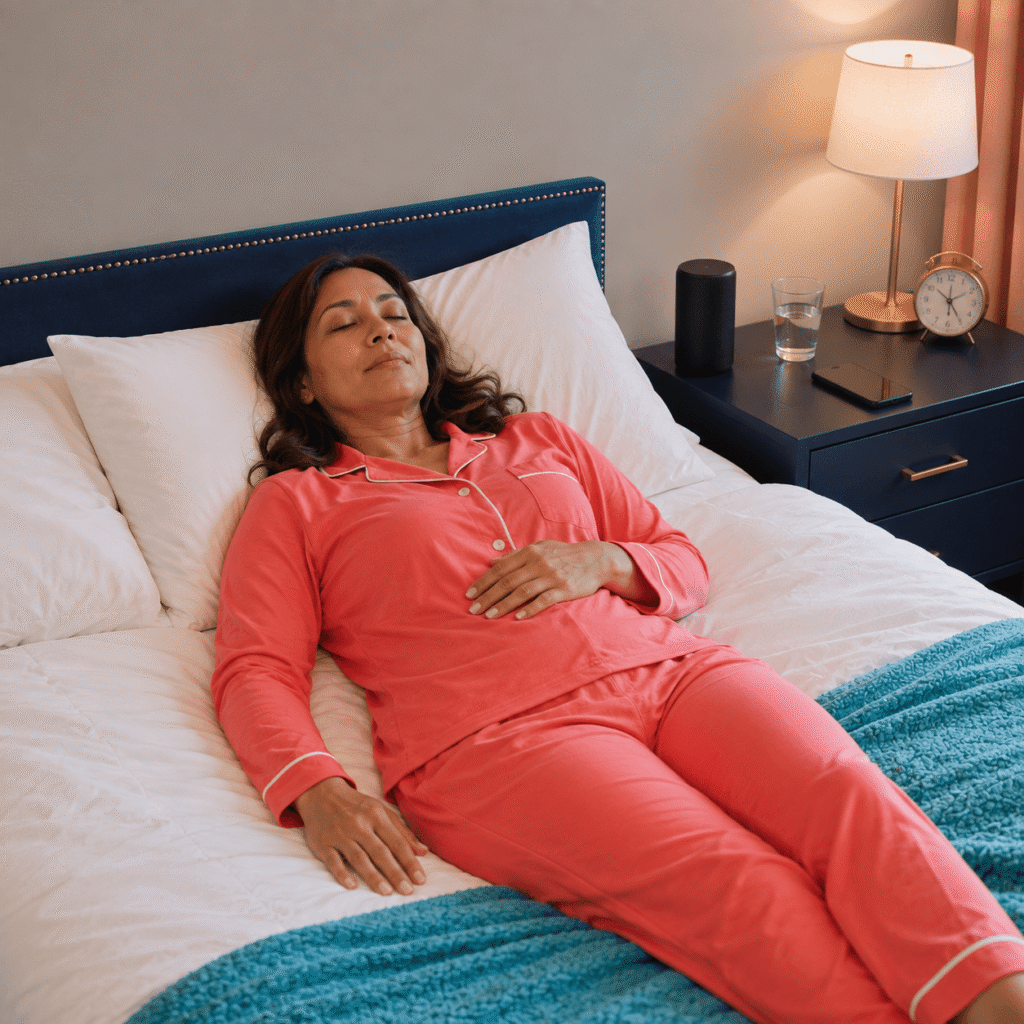
Finding yourself lying awake while exhausted is a frustrating feature of perimenopause and menopause. Hormonal changes, vasomotor symptoms, anxiety, and altered sleep cycles can make the transition from wakefulness to natural sleep unexpectedly difficult.
NSDR, or non-sleep deep rest, is an umbrella term for guided relaxation practices performed while lying still. Most scripts use deep breathing, body scanning, and focused awareness. Yoga nidra is its best-studied relative, although research specifically examining branded NSDR for menopausal sleep remains limited.
How Hormonal Changes Disrupt Sleep

Estrogen and progesterone interact with hormone receptors involved in temperature control, mood, breathing, and nervous system regulation. As levels drop, the brain’s thermoregulatory window may narrow, making a small temperature change more likely to trigger a hot flash. Hot flashes and night sweats can then fragment sleep throughout the night.
Progesterone metabolites also influence GABA-related calming pathways. Their fluctuation may contribute to greater arousal, mood swings, lighter sleep, and difficulty with sleep onset. Stress about another poor night can raise cognitive and physical alertness, creating a self-reinforcing insomnia cycle.
Menopause can affect metabolism and body composition too. This metabolic shift, aging, and airway changes increase the risk of developing obstructive sleep apnea, especially when snoring, morning headaches, or daytime sleepiness are present.
NSDR Supports Nervous System Regulation

A well-designed script uses longer, unforced exhalations and sequential attention to the body. These techniques may reduce perceived stress and help shift attention away from rumination. This does not make NSDR a natural sedative, but it can create conditions that favor relaxation and sleep.
Preliminary trials suggest the practice of yoga nidra may improve sleep quality and insomnia symptoms. However, a broader review of yoga in peri- and postmenopausal women found uncertain sleep benefits. NSDR should therefore be presented as a low-risk supportive practice, not a proven cure.
The Best Scripts Match Sleep Challenges

| Script Type | Best Use | Core Feature | Suggested Length | Key Limitation |
|---|---|---|---|---|
| Breath-led NSDR | Racing thoughts | Gentle 4-to-6 breathing | 10 minutes | Stop breath counting if it feels stressful |
| Body-scan NSDR | Physical tension | Gradual head-to-toe release | 15–20 minutes | Less useful during an active hot flash |
| Cooling NSDR | Vasomotor symptoms | Cooling imagery and neutral breath | 10–15 minutes | Does not treat the cause of night sweats |
| Yoga nidra | Chronic mental arousal | Body rotation and open awareness | 20–30 minutes | Traditional language may not suit everyone |
| Daytime NSDR | Recovery after poor sleep | Guided rest without trying to sleep | 10–20 minutes | Cannot replace lost deep sleep or REM sleep |
Cooling Scripts Address Vasomotor Symptoms
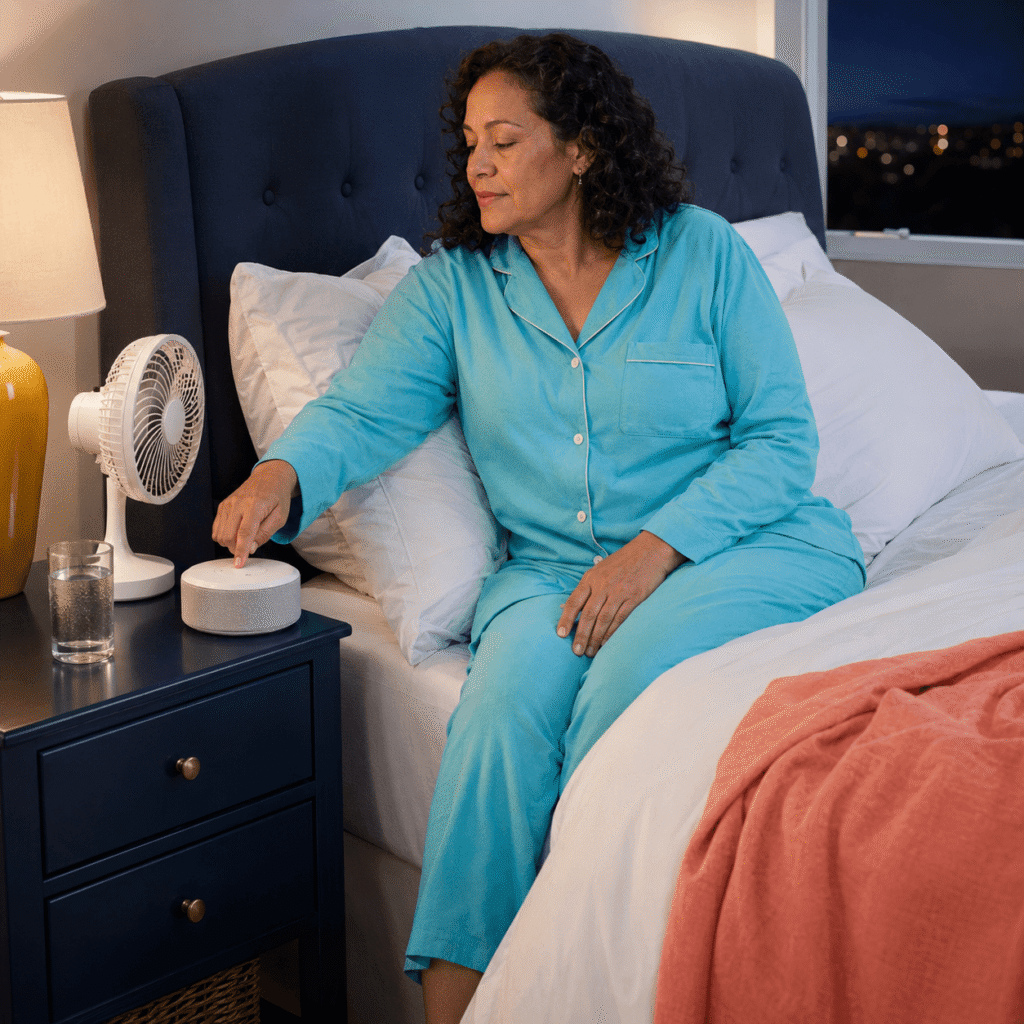
For hot flashes, choose a script that avoids warming imagery, forceful breathing, or heavy blankets. It should acknowledge temperature changes without encouraging struggle: “Notice warmth, uncover if needed, and return attention to the coolest area of your body.”
This approach may reduce anxiety around a hot flash, but NSDR has not been shown to eliminate vasomotor symptoms. Hormone replacement therapy remains the most effective treatment for appropriate candidates, while evidence-based nonhormonal options are also available.
NSDR Has A Different Sleep Impact

The expert distinction often missed is whether a woman has trouble initiating sleep or maintaining it. NSDR may be most useful when physiological hyperarousal delays sleep onset. Repeated awakenings caused by night sweats, restless legs, medication effects, or obstructive sleep apnea require evaluation of the underlying trigger.
Track sleep time, hot flashes, awakenings, alcohol, caffeine, and cycle changes for two weeks. This menopause-specific “trigger map” provides more information than relying only on a wearable sleep score.
A 15-Minute Better Sleep Protocol
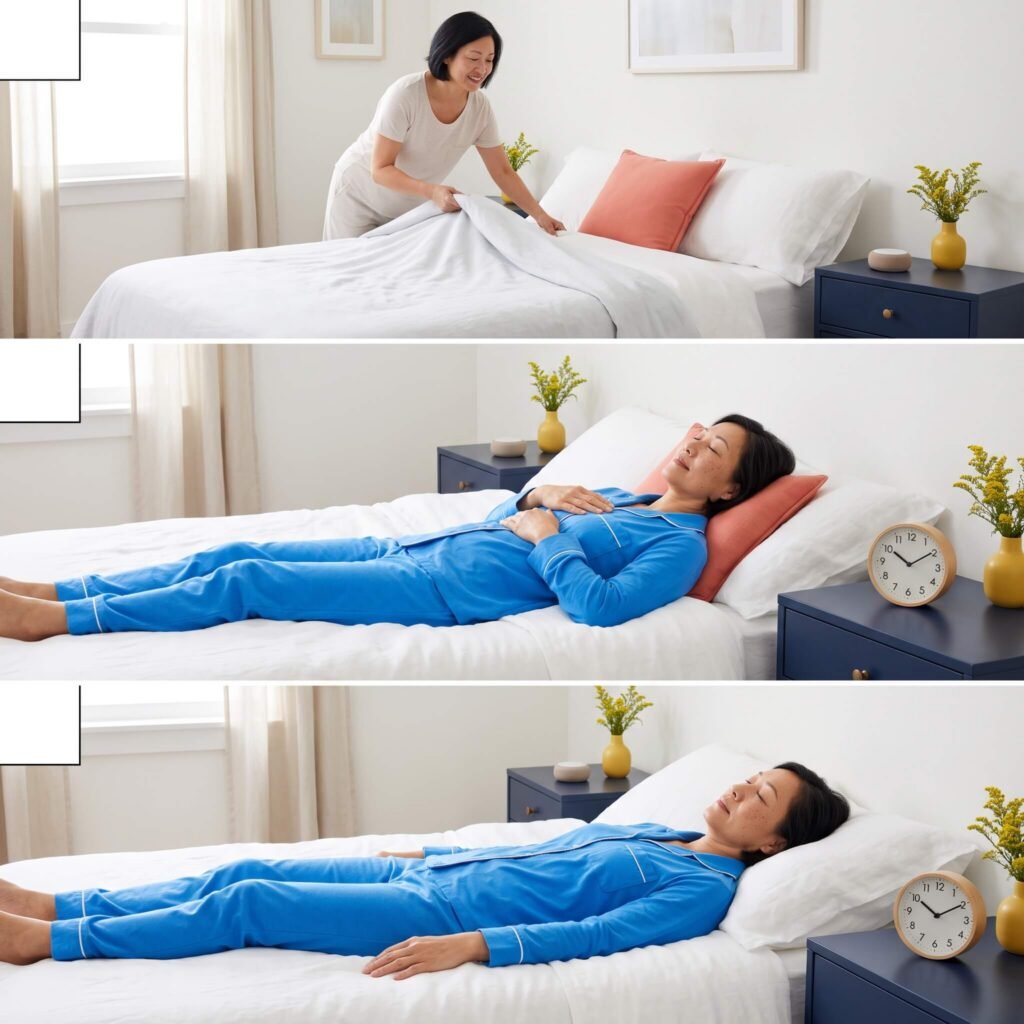
- Keep a consistent sleep schedule and a cool, dark sleep environment.
- Begin NSDR 15 minutes before bed or when you cannot fall asleep after roughly 20 minutes.
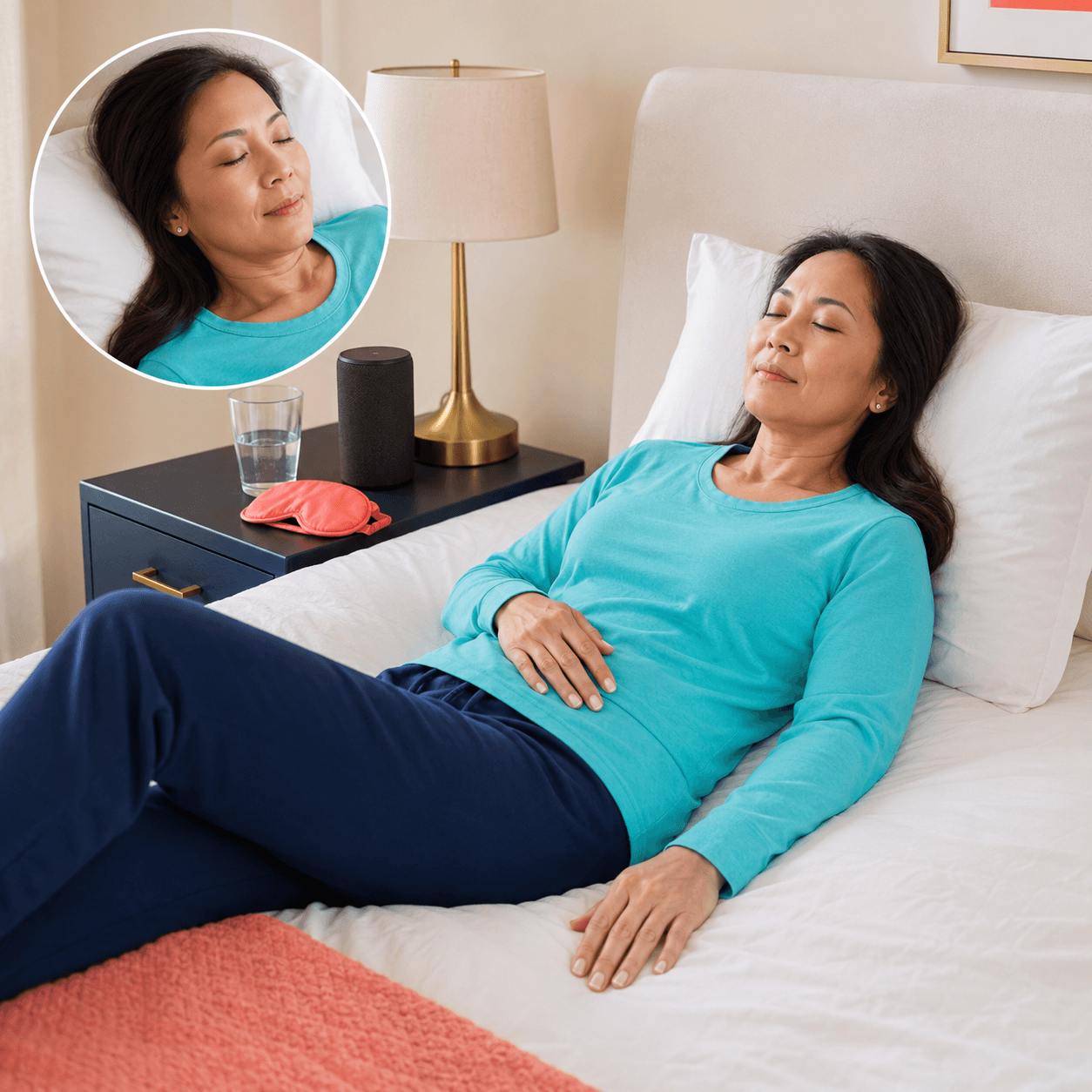
- Lie comfortably and breathe through the nose without forcing the breath. Inhale for four seconds and exhale for six, adjusting if uncomfortable.
- Scan the jaw, shoulders, abdomen, hands, hips, and feet. Spend 20 to 30 seconds releasing each area.
- When thoughts appear, label them “thinking” and return to bodily sensation.
- Let sleep happen without testing whether the script is working.
- Use daytime NSDR before 3 p.m. when recovering from sleep deprivation. Avoid long or late naps during the day.
- If sleep problems persist for three months, ask about cognitive behavioral therapy for insomnia. Seek a sleep study for loud snoring, gasping, or marked daytime sleepiness.
Frequently Asked Questions
What Is Yoga Nidra Versus NSDR For Menopause?
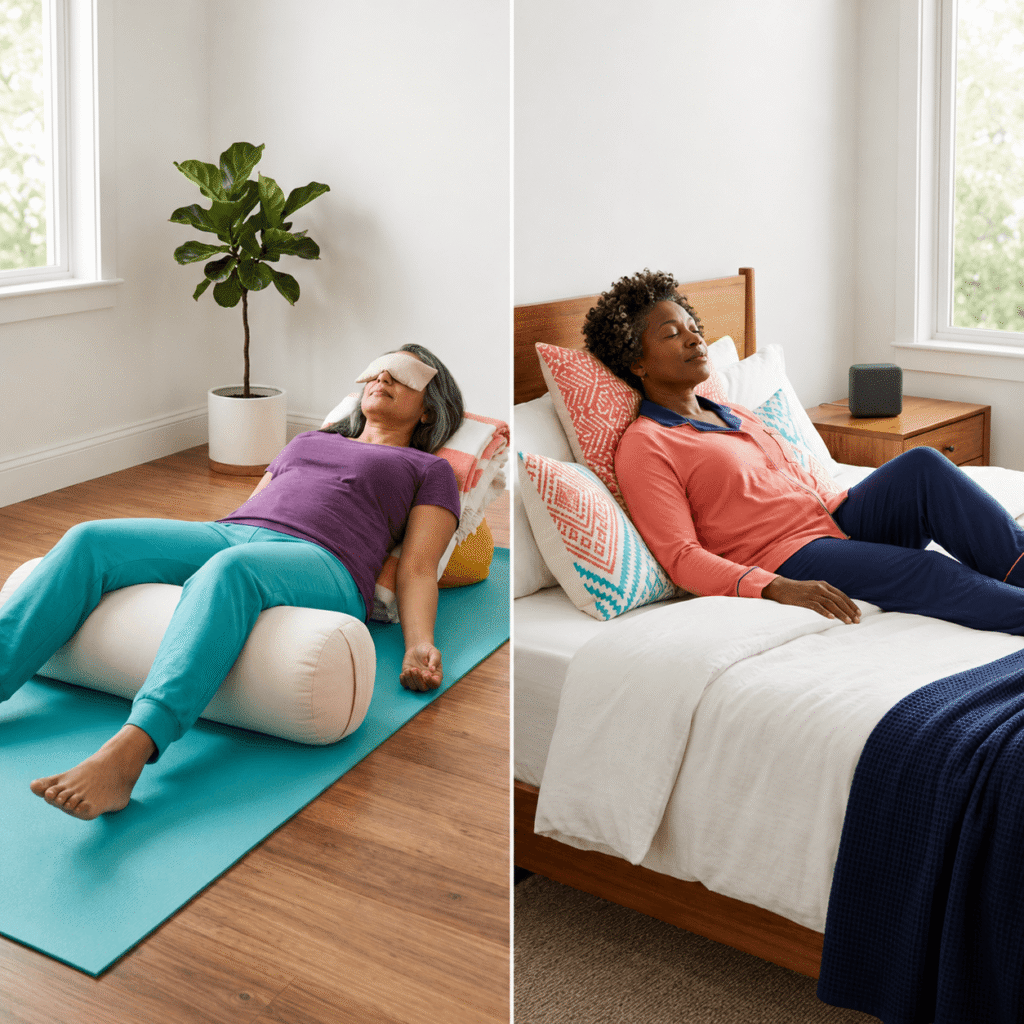
Yoga nidra is a structured yogic practice that may include intention-setting, body rotation, and awareness exercises. NSDR is a broader, secular label for guided deep rest using similar relaxation methods. Neither should replace treatment for menopausal sleep disorders or persistent vasomotor symptoms.
Can NSDR Aid Recovery From Poor Sleep?

NSDR may reduce anxiety, support emotional regulation, and provide a quiet recovery period after poor sleep. Some people report improved daytime calm or cognitive function, but it does not reproduce normal sleep cycles. Protect the next night’s sleep by keeping the session brief and maintaining a consistent wake time.
Which NSDR Helps Menopause Hot Flashes?
Choose a cooling script with slow breathing, minimal imagery, and permission to adjust clothing or bedding. Avoid instructions that demand complete stillness while a hot flash is occurring. Medical treatment may be needed when hot flashes and night sweats repeatedly disturb sleep.
Can 20 Minutes Of NSDR Replace Lost Sleep?
No clinical evidence shows that 20 minutes of NSDR replaces an hour of sleep. It may help reduce perceived stress and support daytime functioning, but it cannot substitute for REM sleep, deeper sleep, or sufficient sleep time. Claims using a fixed replacement ratio should be treated cautiously.
When Do Menopause Sleep Problems Need Care?
Consult a clinician when disturbed sleep affects physical and mental health, mood, safety, or overall well-being. Chronic insomnia responds well to cognitive behavioral therapy for insomnia, while suspected apnea requires assessment. Discuss hormone therapy and nonhormonal options individually, since the safest effective treatment differs for each Wise Woman entering her Second Spring.
Continue Your Journey
NSDR can support sleep onset, but staying asleep requires identifying what repeatedly activates the brain or body. Continue with Why Can’t I Stay Asleep During Menopause and How Do I Fix It? to build a complete plan for more consistent, restful sleep.
References
- Datta K, Tripathi M, Mallick HN. “Yoga nidra practice shows improvement in sleep in patients with chronic insomnia: A randomized controlled trial.” National Medical Journal of India. 2021;34(3):143–150. PubMed
- Dutta A, et al. “Efficacy of Yoga Nidra in Managing Sleep Disorders: A Systematic Review of Randomized Controlled Trials.” Sleep Medicine. 2026. PubMed
- Troìa L, et al. “Sleep Disturbance and Perimenopause: A Narrative Review.” 2025. PubMed Central
- Haufe A, et al. “The Role of Ovarian Hormones in the Pathophysiology of Perimenopausal Sleep Disturbances.” Menopause. 2022. PubMed
- Baker FC, et al. “Optimizing Sleep Across the Menopausal Transition.” 2023. PubMed Central
- Wang WL, et al. “The Effect of Yoga on Sleep Quality and Insomnia in Women With Sleep Problems: A Systematic Review and Meta-Analysis.” BMC Psychiatry. 2020;20:195. PubMed Central
- The North American Menopause Society. “The 2023 Nonhormone Therapy Position Statement.” Menopause. 2023;30(6):573–590. PubMed
- The North American Menopause Society Advisory Panel. “The 2022 Hormone Therapy Position Statement.” Menopause. 2022;29(7):767–794. PubMed