

The 60-Second Answer
Berberine for menopause weight loss may help some women, but it is not equal to Ozempic. Studies suggest berberine can support blood sugar control and modest weight loss. However, results vary, and side effects or drug interactions can occur. Ozempic is better studied and usually produces greater weight loss.
How Menopause Changes Metabolism

During perimenopause and menopause, declining and fluctuating estrogen affects hormone receptors in the brain, liver, skeletal muscle, pancreas, and fat tissue. Estrogen normally participates in nervous system regulation, appetite signaling, insulin sensitivity, and the distribution of body fat.
As estrogen protection declines, fat may shift from the hips and thighs toward the abdomen. This metabolic shift can increase visceral fat even when total body weight changes only slightly. Aging, reduced activity, sleep disruption, hot flashes, declining muscle mass, and changes in energy expenditure can compound the effect.
Progesterone fluctuations may contribute indirectly through disturbed sleep, appetite changes, and fluid retention. They do not independently explain every increase in body fat. Thyroid disease, medications, depression, sleep apnea, and worsening insulin resistance should also be considered.
Insulin Resistance Raises Blood Sugar

Insulin moves glucose from the bloodstream into cells. When muscle and liver cells respond less effectively, the pancreas may produce more insulin to control blood sugar levels. Persistent high insulin can make stored fat harder to mobilize, although body weight still depends on multiple biological and behavioral factors.
This helps answer the pillar question, “Why am I gaining menopause belly fat even though I haven’t changed my diet?” Your previous diet may now exceed a slightly lower energy requirement, while hormonal changes influence where fat is stored. This is not a personal failure or proof that your metabolism is permanently broken.
How Berberine Works In The Body

AMPK Influences Metabolic Health
Laboratory research indicates that berberine may activate AMP-activated protein kinase, or AMPK. This protein kinase enzyme functions as a cellular energy sensor and influences glucose uptake, fat oxidation, and liver glucose production.
The effect of berberine is not limited to AMPK, however. Researchers are investigating additional pathways involving the gut microbiome, bile acids, inflammation, and cellular signaling. Much of the mechanistic evidence comes from laboratory or animal research, so it cannot establish the amount of benefit a menopausal woman will experience.
Berberine May Improve Glucose
Systematic reviews suggest that berberine supplementation can reduce fasting glucose and improve some markers of insulin sensitivity, particularly among people with type 2 diabetes mellitus. It may also reduce LDL cholesterol and triglycerides in some populations.
These findings provide a plausible role of berberine in metabolic health. They do not prove that standard berberine supplements prevent diabetes, treat menopause, or consistently reduce visceral fat.
Gut Health May Affect Absorption
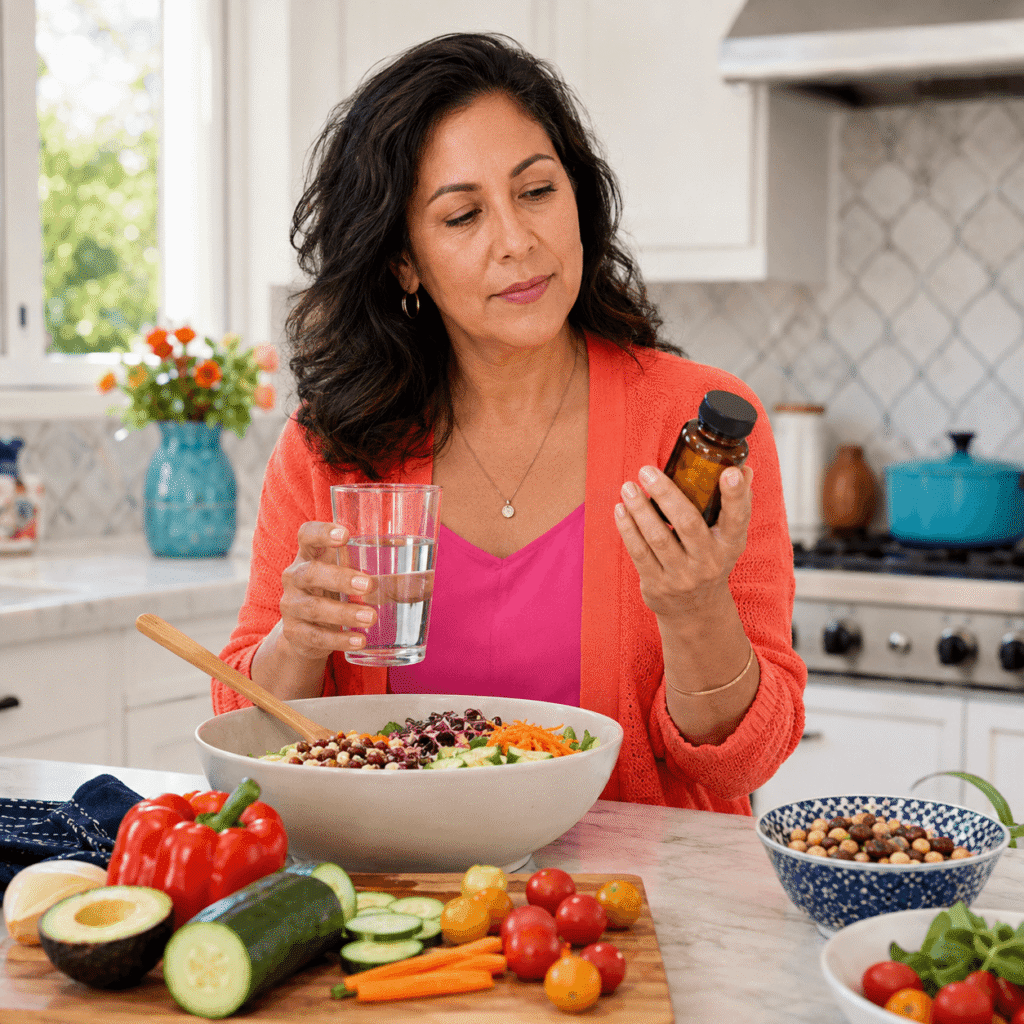
Oral berberine has low and variable bioavailability. Gut health and microbial metabolism may influence how much active compound reaches circulation, which is one reason products and individual responses can differ.
Digestive side effects are also common. Constipation, diarrhea, abdominal discomfort, nausea, and vomiting may occur, especially when someone starts berberine at a high dose.
Berberine And Ozempic Are Different

Ozempic Activates GLP-1 Receptors
Ozempic contains semaglutide, a prescription GLP-1 receptor agonist. It improves glucose-dependent insulin secretion, reduces glucagon, and slows gastric emptying. Ozempic is FDA-approved for specified uses in adults with type 2 diabetes, not as a general menopause weight-loss treatment; Wegovy is the semaglutide product indicated for chronic weight management in eligible patients.
Berberine does not contain semaglutide and has not demonstrated equivalent GLP-1 receptor activation. Calling it “nature’s Ozempic” exaggerates the evidence and may encourage people to replace appropriate medical care with an inadequately tested supplement.
Berberine Offers Modest Weight Loss

Earlier meta-analyses found small average reductions in body weight, body mass index, and waist circumference, but many included trials were short, small, or methodologically inconsistent. The potential benefits of berberine appear more credible for certain metabolic markers than for substantial weight loss.
Importantly, a 2026 multicenter randomized clinical trial studied 1 gram of berberine daily for six months in 337 diabetes-free adults with obesity and metabolic dysfunction-associated steatotic liver disease. Berberine improved LDL cholesterol and some inflammatory markers but did not significantly reduce visceral adipose tissue or liver fat compared with placebo. The participants were not specifically selected for perimenopause and menopause.
Evidence Shows Unequal Outcomes
| Option | Primary Action | Weight Evidence | Key Limitations |
|---|---|---|---|
| Berberine supplement | May influence AMPK, glucose handling, lipids, and gut pathways | Small or inconsistent average changes; the 2026 trial found no significant visceral-fat reduction | Variable products, digestive effects, interactions, limited menopause-specific evidence |
| Ozempic | Prescription GLP-1 receptor agonist | Can reduce weight, although it is not the semaglutide brand indicated specifically for weight management | Prescription monitoring, contraindications, adverse effects, cost |
| Wegovy | Higher-dose semaglutide for eligible weight-management patients | Substantial average weight reduction in major clinical trials | Similar GLP-1 safety considerations and ongoing treatment needs |
| Metformin | Reduces liver glucose production and improves insulin response | Usually modest weight effect | Prescription drug; digestive effects; requires clinical indication |
| Lifestyle therapy | Nutrition, resistance exercise, aerobic activity, sleep, and behavioral support | Foundational for fat loss and muscle preservation | Requires sustained, individualized implementation implementation |
How To Take Berberine Carefully

Start Berberine Only After Screening
The following protocol describes doses used in research. It is not a personal prescription:
- Ask a clinician to evaluate waist circumference, blood pressure, medication interactions, pregnancy potential, and relevant symptoms. Depending on risk, discuss fasting glucose, A1C, lipids, liver enzymes, kidney function, thyroid testing, or screening for fatty liver disease.
- Choose a single-ingredient form of berberine from a manufacturer that provides independent identity, purity, and contaminant testing. Do not assume “proprietary blends” are superior.
- If the clinician approves, a cautious trial may begin with 500 mg once daily with a meal for one week. Research commonly uses 500 mg two times per day, while some studies use it three times per day; do not exceed the clinician-approved dose.
- Separate timing from prescription medicines only if a pharmacist recommends it. Spacing products does not eliminate every interaction.
- Track digestive symptoms, appetite, blood sugar when clinically appropriate, waist measurement, resistance-training performance, and body weight for 8 to 12 weeks. Stop if adverse effects develop rather than forcing the body to “adjust.”
- Reassess whether berberine works for the intended outcome. Discontinue it if there is no meaningful benefit, and do not replace prescribed diabetes treatment without medical supervision.
Lifestyle Can Help With Weight Loss

Build meals around protein, fiber-rich vegetables, minimally processed carbohydrates, and unsaturated fats. Resistance training two or three times weekly helps preserve muscle, while approximately 150 minutes of moderate aerobic activity per week supports cardiovascular risk reduction.
Sleep treatment, stress support, and reducing alcohol may improve appetite regulation and metabolic health. These practices support your Second Spring without framing menopause as something that must be “fixed.”
Expert Angle: Test The Right Outcome

A distinctive, evidence-based angle is to separate scale weight from metabolic response. The 2026 trial suggests berberine may improve LDL cholesterol or inflammation without decreasing body weight or visceral fat.
For a woman with insulin resistance, the most useful question may therefore be: “Which measurable risk factor am I treating?” Monitor waist circumference, A1C, fasting glucose, lipids, blood pressure, liver health, strength, and symptoms instead of interpreting every supplement through the bathroom scale.
Frequently Asked Questions
Why Is Menopause Belly Fat Hard?
Hard menopause belly fat may reflect visceral fat located beneath the abdominal muscles, whereas soft, pinchable fat is generally subcutaneous. Bloating, constipation, fibroids, or another condition can also make the abdomen feel firm. Seek medical evaluation for new swelling, pain, rapid enlargement, vomiting, bleeding, or early fullness.
Can I Reverse Insulin Resistance Naturally?
Some women can substantially improve menopause insulin resistance without taking Metformin through muscle-building exercise, aerobic activity, sleep treatment, dietary changes, and clinically appropriate fat loss. Results depend on glucose status, medications, genetics, and other health conditions. Do not delay prescribed care when blood sugar is in the diabetes range.
Does Fasting Reduce Visceral Fat After 50?
Intermittent fasting may help with weight loss after age 50 when it creates a sustainable energy deficit, but it has not consistently outperformed calorie-matched eating patterns. Long fasting windows can make protein distribution and muscle preservation more difficult for some women. Anyone using glucose-lowering medicine should obtain medical guidance before fasting.
Why Am I Gaining In A Calorie Deficit?
If you are gaining weight despite an apparent calorie deficit during menopause, short-term fluid retention, constipation, inaccurate intake estimates, lower activity, or reduced energy needs may explain the discrepancy. Medication effects, hypothyroidism, sleep disruption, and other conditions also deserve consideration. Review several weeks of weight trends and measurements with a clinician or registered dietitian.
Continue Your Journey
Berberine may support selected markers, but it is neither a proven menopause treatment nor a natural replacement for Ozempic. Continue with our guide, Why Am I Gaining Menopause Belly Fat Even Though I Haven’t Changed My Diet?, to understand the hormonal, metabolic, sleep, muscle, and lifestyle factors behind changing abdominal fat.
References
- Lei L, et al. “Berberine and Adiposity in Diabetes-Free Individuals With Obesity and Metabolic Dysfunction-Associated Steatotic Liver Disease: A Randomized Clinical Trial.” JAMA Network Open. 2026. Full clinical trial.
- Asbaghi O, et al. “The Effect of Berberine Supplementation on Obesity Parameters, Inflammation and Liver Function Enzymes: A Systematic Review and Meta-Analysis of Randomized Controlled Trials.” Clinical Nutrition ESPEN. 2020;38:43-49. PubMed record.
- Ye Y, et al. “Efficacy and Safety of Berberine Alone for Several Metabolic Disorders: A Systematic Review and Meta-Analysis of Randomized Clinical Trials.” Frontiers in Pharmacology. 2021;12:653887. Full review.
- Zamani M, et al. “The Effects of Berberine Supplementation on Cardiovascular Risk Factors in Adults: A Systematic Review and Dose-Response Meta-Analysis.” Frontiers in Nutrition. 2022;9:1013055.