
The 60-Second Answer
To lower menopause cholesterol without statins, follow a Mediterranean-style diet, limit saturated fat, eat oats and beans, and exercise each week. These habits may reduce LDL cholesterol and protect your heart. However, very high cholesterol or a high risk of heart disease may still require prescription medication from your doctor.
Menopause And Cholesterol Are Connected

Declining estrogen during menopause creates a metabolic shift that affects cholesterol metabolism, body-fat distribution, insulin sensitivity, and blood-vessel function. Estrogen helps regulate liver LDL hormone receptors, particularly receptors that remove low-density lipoprotein cholesterol from circulation.
As estrogen levels drop, the liver may clear LDL less efficiently. LDL cholesterol levels, apolipoprotein B, and total cholesterol levels can rise, while protective HDL function may change. Progesterone decline may indirectly influence sleep, appetite, and nervous system regulation, making healthy routines harder to maintain.
The SWAN study found that increases in total cholesterol, LDL cholesterol, and apolipoprotein B were most pronounced around the final menstrual period. These effects of menopause occur alongside aging, but the menopause transition appears to contribute independently to adverse lipid changes (Derby et al., 2009).
Cholesterol Levels Can Rise Suddenly
A higher cholesterol level does not always mean your balanced diet has failed. Weight gain, reduced activity, hypothyroidism, diabetes, genetics, certain medications, and the drop in estrogen can all produce elevated cholesterol.
Ask for a repeat fasting lipid panel if the result is unexpected. Your clinician may also check blood pressure, glucose or A1C, thyroid function, kidney health, and medications that could affect blood cholesterol.
LDL Is More Important Than Total Cholesterol

Total cholesterol combines several particles and cannot define your risk alone. LDL is often called bad cholesterol because excess LDL can enter artery walls and contribute to plaque. HDL cholesterol is called good cholesterol, but a high HDL value does not erase the danger of high LDL.
For more precise cholesterol management, discuss non-HDL cholesterol and apolipoprotein B, or ApoB. ApoB estimates the number of potentially harmful lipoprotein particles rather than simply measuring how much cholesterol they carry.
Lifestyle Changes Can Lower Cholesterol

A Mediterranean diet emphasizes vegetables, fruit, beans, whole grains, nuts, seeds, fish, and olive oil. Replacing saturated fat from butter, fatty meat, coconut oil, and full-fat dairy with unsaturated fat can lower LDL cholesterol.
Soluble fiber reduces cholesterol absorption in the intestine. A meta-analysis found that at least 3 grams of oat beta-glucan daily reduced LDL by approximately 0.25 mmol/L, or 9.7 mg/dL (Whitehead et al., 2014).
| Strategy | Practical Amount | Expected LDL Effect | Key Consideration |
|---|---|---|---|
| Oat beta-glucan | At least 3 g daily | About 9.7 mg/dL lower | Increase gradually |
| Plant sterols | 2 g with meals daily | About 5% to 15% lower | Avoid with sitosterolemia |
| Mediterranean diet | Most meals | Modest to moderate reduction | Replace saturated fat |
| Aerobic exercise | 150 minutes weekly | Modest LDL reduction | Stronger overall heart benefit |
| Prescription ezetimibe | 10 mg daily | About 18% lower alone | Requires clinician supervision |
The lifestyle and non-statin estimates align with American College of Cardiology evidence summaries, although individual responses vary (ACC Lipid-Lowering Therapy Tool).
Exercise Improves Cardiovascular Health
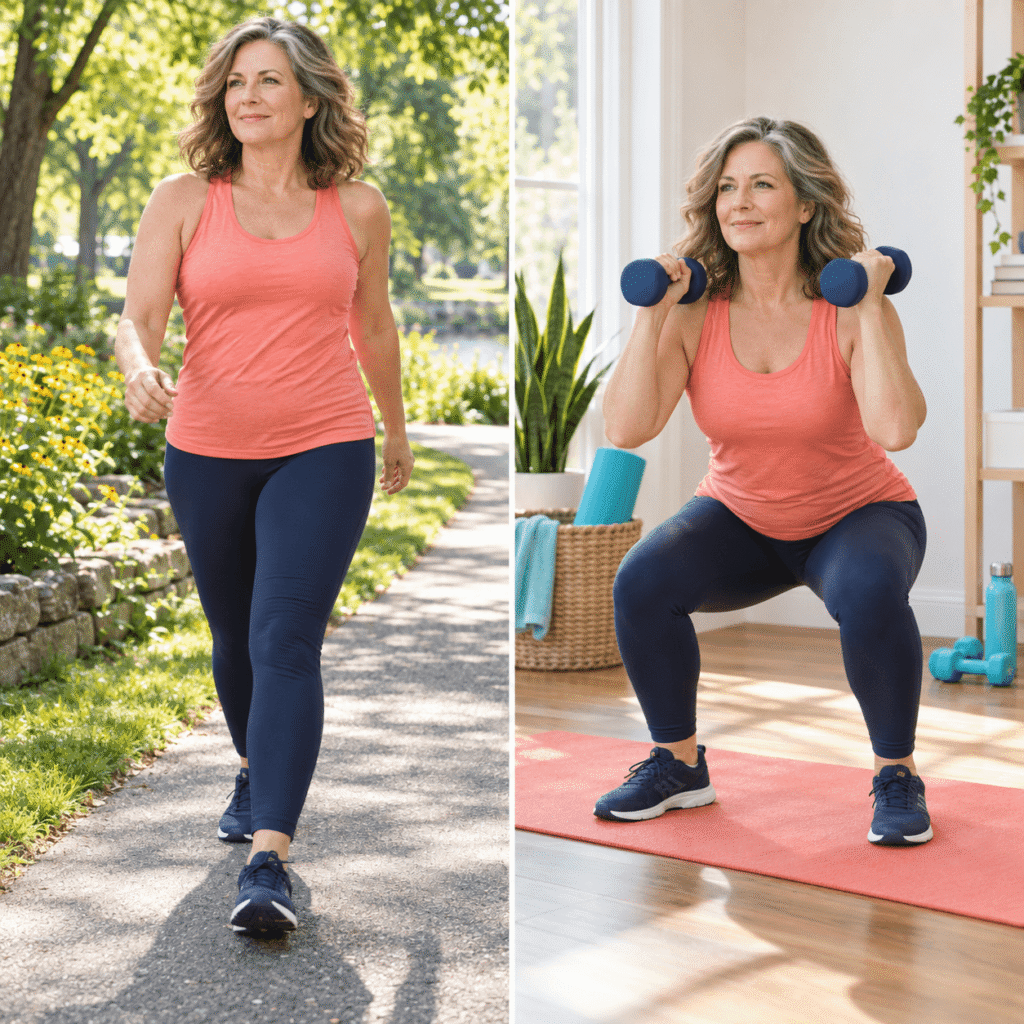
Exercise may only modestly lower LDL, but it can improve blood pressure, insulin sensitivity, triglycerides, fitness, and body composition. Aim for at least 150 minutes of moderate aerobic activity weekly plus strength training twice per week.
This supports heart health during menopause even when the scale barely moves. Your Second Spring is not about chasing perfection. It is about building repeatable habits that lower your risk over time.
A Statin Decision Depends On Risk

Statins have the strongest evidence for reducing heart attack or stroke in people at sufficient risk. Avoiding a statin is not automatically safer, particularly if you have cardiovascular disease, diabetes, familial high cholesterol, very high LDL, or multiple risk factors.
Muscle symptoms can occur, but menopause does not make severe statin complications inevitable. A clinician can review other causes, adjust the dose, try a different statin, or consider prescription alternatives such as ezetimibe, bempedoic acid, or a PCSK9-targeting medicine.
Hormone replacement therapy may improve some changes in cholesterol levels, but it should not be started solely for the prevention of cardiovascular disease. Its risks and benefits depend on symptoms, age, timing, and medical history (El Khoudary et al., 2020).
Three Biomarkers Reveal Hidden Risk
A valuable expert angle is to look beyond a standard cholesterol panel. A 2024 study following 27,939 women for 30 years found that LDL cholesterol, lipoprotein(a), and high-sensitivity C-reactive protein independently predicted cardiovascular events (Ridker et al., 2024).
Ask whether ApoB, a once-in-adulthood lipoprotein(a) test, or selective hs-CRP testing would clarify your risk. This is especially useful with premature heart disease in your family or cholesterol results that do not match your lifestyle.
Manage Cholesterol Levels In 12 Weeks

- Confirm the result with a fasting lipid panel and calculate your overall cardiovascular risk with your clinician.
- Replace butter, fatty meat, and coconut oil with olive oil, nuts, seeds, avocado, beans, or fish.
- Target 25 to 30 grams of total fiber daily, including at least 5 to 10 grams of soluble fiber. If appropriate, begin psyllium at 5 grams daily with plenty of water, then gradually increase.
- Consider 2 grams of plant sterols daily with meals after checking for contraindications.
- Complete 150 minutes of moderate exercise and two strength sessions weekly.
- Address smoking, sleep, blood pressure, diabetes, and excess alcohol.
- Repeat testing after approximately 8 to 12 weeks. Do not stop or refuse prescribed medication without a clinician-led risk discussion.
Frequently Asked Questions
Why Did My LDL Spike Despite Healthy Eating?

Menopause and cholesterol changes can occur even with a nutritious diet. Declining estrogen, genetics, thyroid disease, weight redistribution, and medications may increase LDL. Repeat the test and investigate secondary causes before assuming food is solely responsible.
Can Diet And Exercise Lower Menopause Cholesterol?
Yes, diet and lifestyle changes can lower cholesterol and improve wider cardiovascular health. Results depend on your starting LDL, genetics, and consistency. They may not be enough when your risk of developing heart disease is high.
Are Statin Side Effects Worse During Menopause?
Women report muscle symptoms more often in some clinical settings, but serious statin harm remains uncommon. Symptoms should be assessed rather than dismissed or assumed to be menopause symptoms. Dose adjustment or another cholesterol-lowering treatment may help.
What Natural Alternatives Help Midlife Women?
Soluble fiber, plant sterols, unsaturated fats, exercise, and weight management have the best supporting evidence. Supplements marketed as natural statins can vary in strength, purity, and safety. Discuss any product with your clinician before use.
Does Fiber Target Menopause Cholesterol?

Soluble fiber can lower LDL by trapping bile acids and reducing intestinal cholesterol absorption. Oats, barley, beans, lentils, apples, and psyllium are useful sources. Fiber helps manage cholesterol regardless of whether the increase is specifically menopause-related.
Continue Your Journey
Menopause cholesterol is only one piece of your cardiovascular story. Discover why midlife heart risk changes, which warning signs matter, and how every Wise Woman can build a practical prevention plan: Why Does Heart Disease Risk Increase After Menopause and How Do I Lower It?
References
- Derby CA, Crawford SL, Pasternak RC, Sowers M, Sternfeld B, Matthews KA. “Lipid Changes During the Menopause Transition in Relation to Age and Weight.” American Journal of Epidemiology. 2009;169(11):1352-1361.
- El Khoudary SR, Aggarwal B, Beckie TM, et al. “Menopause Transition and Cardiovascular Disease Risk: Implications for Timing of Early Prevention.” Circulation. 2020;142(25):e506-e532.
- Ridker PM, Moorthy MV, Cook NR, Rifai N, Lee IM, Buring JE. “Inflammation, Cholesterol, Lipoprotein(a), and 30-Year Cardiovascular Outcomes in Women.” New England Journal of Medicine. 2024;391:2087-2097.
- Whitehead A, Beck EJ, Tosh S, Wolever TMS. “Cholesterol-Lowering Effects of Oat β-Glucan: A Meta-Analysis of Randomized Controlled Trials.” American Journal of Clinical Nutrition. 2014;100(6):1413-1421.
- Grundy SM, Stone NJ, Bailey AL, et al. “2018 AHA/ACC Guideline on the Management of Blood Cholesterol.” Journal of the American College of Cardiology. 2019;73(24):e285-e350.