Demystify HRT and menopause hormones. Explore evidence-based guides on hormone replacement, bioidentical options, and estrogen at Progress Tribe. Navigating hormone changes during perimenopause and menopause can feel overwhelming, but understanding your options is the first step toward taking control. As estrogen and progesterone levels decline, symptoms like hot flashes, night sweats, and low energy can disrupt your daily life. At Progress Tribe, our Menopause Hormones and HRT hub breaks down the science of Hormone Replacement Therapy (HRT), bioidentical hormone options, and natural balancing strategies. Explore evidence-based resources designed to help you weigh the benefits, ask informed questions, and make confident decisions with your healthcare provider.
The 60-Second Answer Yes, estrogen can change how thyroid hormone travels in the blood, but a high estrogen reading during perimenopause does not usually suppress a healthy thyroid gland. The clearest evidence for how estrogen affects thyroid function perimenopause concerns oral estrogen therapy: it can increase the thyroid medication needed…
The 60-Second Answer Yes, a DUTCH test measures more hormone metabolites than routine blood work, but it is not automatically better for menopause care. When comparing the DUTCH test vs blood test for menopause, blood testing remains clinically established, while dried urine testing may offer supplementary information for carefully selected…
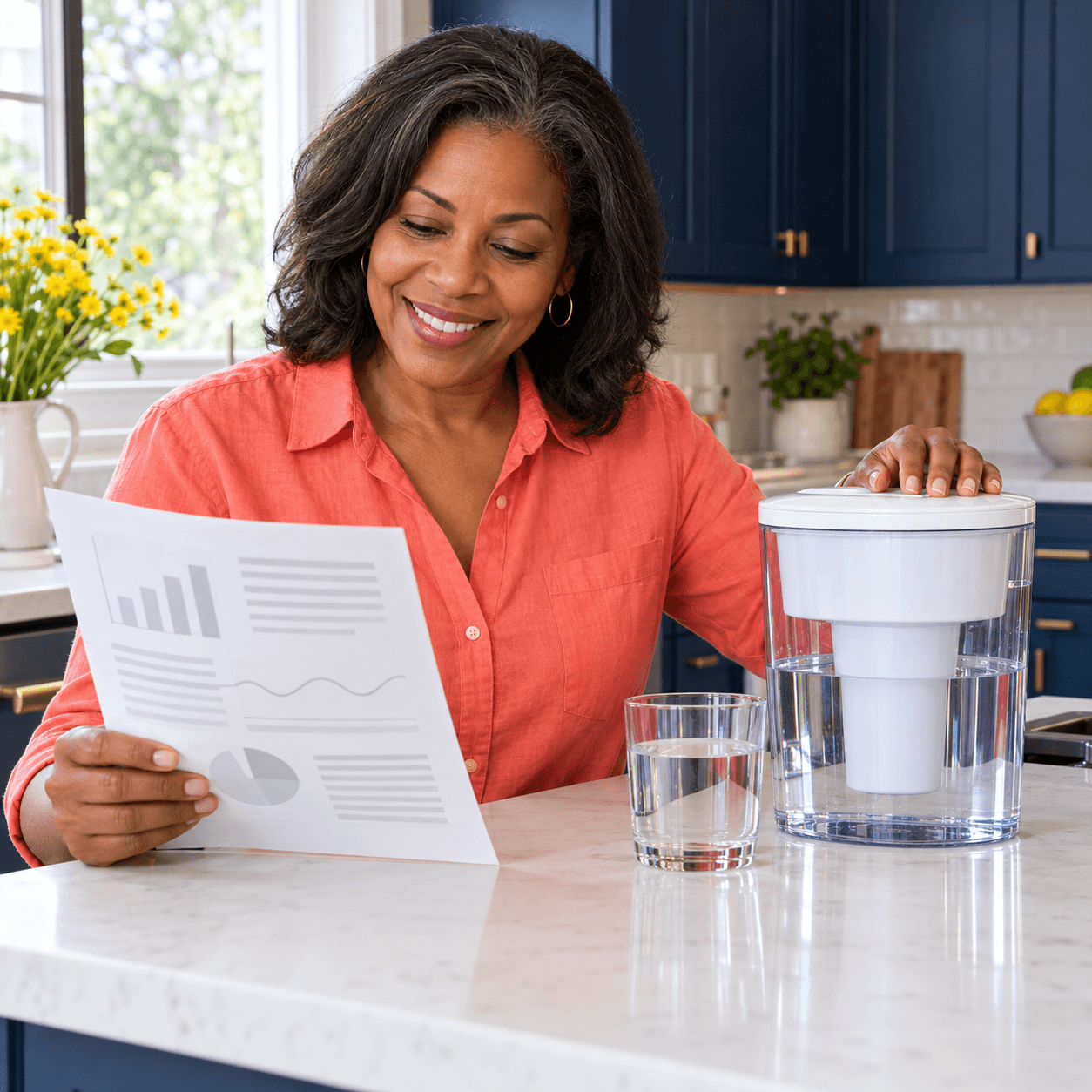
The 60-Second Answer: Yes, a properly certified water filter for hormone disruptors can reduce certain chemicals in drinking water, including some PFAS, pesticides, pharmaceuticals, and estrogenic compounds. However, filtration cannot remove chemicals already stored in your body, and no filter removes every contaminant. Choose technology based on your local water-quality…
The 60-Second Answer: You should avoid BPA and phthalates for hormone health because these chemicals may interfere with estrogen and other hormones during perimenopause. They are often found in plastics, food packaging, fragrances, and beauty products. Lowering exposure may support your overall well-being while your body adjusts to changing hormone…
The 60-Second Answer: Estrogen loss can make arteries stiffer in older women. Estrogen helps blood vessels relax and stay flexible. When levels fall after menopause, the vessels may tighten and lose elasticity. This connection between estrogen loss and arterial stiffness may raise blood pressure and increase heart disease risk over…
The 60-Second Answer: After a hysterectomy, your periods stop and pregnancy is no longer possible. If your ovaries remain, they may keep producing hormones. If removed, menopause begins suddenly. Manage body changes after hysterectomy with rest, gentle movement, healthy food, medical follow-ups, and treatment for pain, mood, or menopause symptoms…
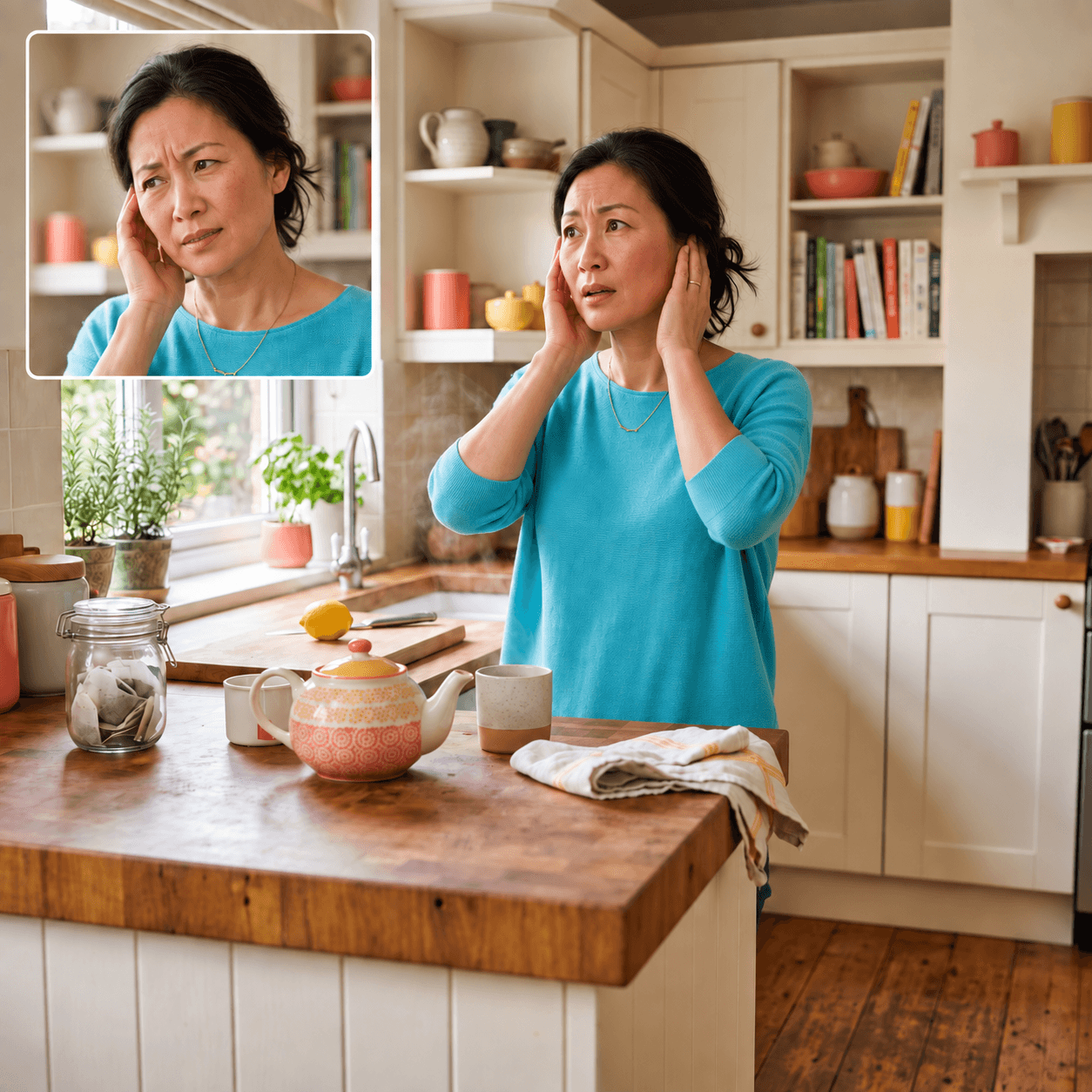
The 60-Second Answer Ear ringing may become more noticeable during perimenopause because fluctuating estrogen can affect blood flow, the inner ear and auditory pathways, sleep, migraine, and the way the brain filters sound. However, research has not proved that menopause directly causes tinnitus. New or worsening tinnitus, especially in one…
The 60-Second Answer Burning mouth syndrome is ongoing burning, tingling, or soreness inside a mouth that often looks normal. It is more common in women during and after menopause, possibly because hormonal changes affect saliva and nerve signals. Still, menopause is not the only cause, so proper medical and dental…
The 60-Second Answer Menopause can cause surprising symptoms beyond hot flashes and night sweats. You may experience crawling skin, a metallic taste, dry mouth, sore gums, blurry vision, body odor changes, or sudden chills. Falling estrogen can affect many parts of your body. However, these symptoms may have other causes,…
The 60-Second Answer Yes, balancing menopause hormones with Eastern medicine may support symptom relief through acupuncture, individualized herbal medicine, dietary therapy, movement, and nervous system regulation. However, these approaches do not reliably restore estrogen or progesterone levels. Evidence is strongest for modest symptom improvement, while herbal safety and product quality…