

The 60-Second Answer
Yes, yoga nidra for menopause sleep and stress may calm heightened arousal, ease anxiety, and support better sleep. It cannot literally reset the nervous system or balance a hormone. However, regular practice may improve nervous system regulation and sleep quality, making it a useful restorative tool alongside appropriate menopause care.
Does Yoga Nidra Reset The Nervous System?
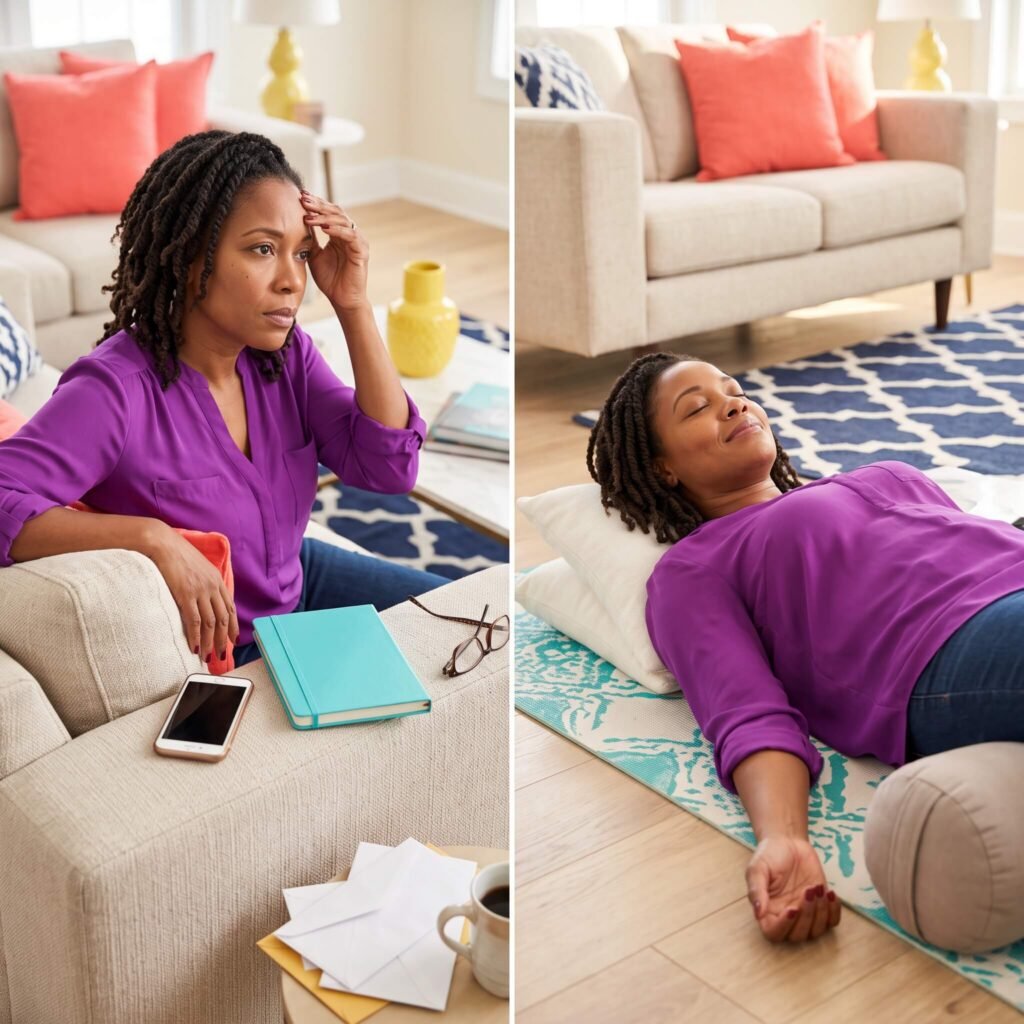
“Reset” is appealing, but not a scientifically defined outcome. The practice of yoga nidra does not restore estrogen or correct a hormonal imbalance. Its realistic value is helping the nervous system shift from vigilance toward a relaxed state.
Early trials suggest yoga nidra meditation may reduce perceived stress and improve insomnia symptoms, sleep, and well-being. Studies are small and rarely focus solely on menopause. Yoga nidra for menopause is supportive care, not a proven treatment for every symptom.
How Yoga Nidra Supports Regulation

Estrogen interacts with hormone receptors in brain regions involved in temperature, mood, memory, and the sleep-wake cycle. Progesterone metabolites influence GABA pathways associated with calm. During perimenopause and peri-menopause, fluctuating hormones may weaken these calming signals while hot flashes, anxiety, and life stress increase arousal.
This does not mean every woman has abnormally high cortisol. However, repeated worry and disturbed sleep may activate the stress response, while an elevated or poorly timed stress hormone can make restorative rest harder. Yoga nidra may support nervous system regulation through slow breathing, focused attention, mental relaxation, and progressive release of tension.
Deep Relaxation Can Improve Sleep
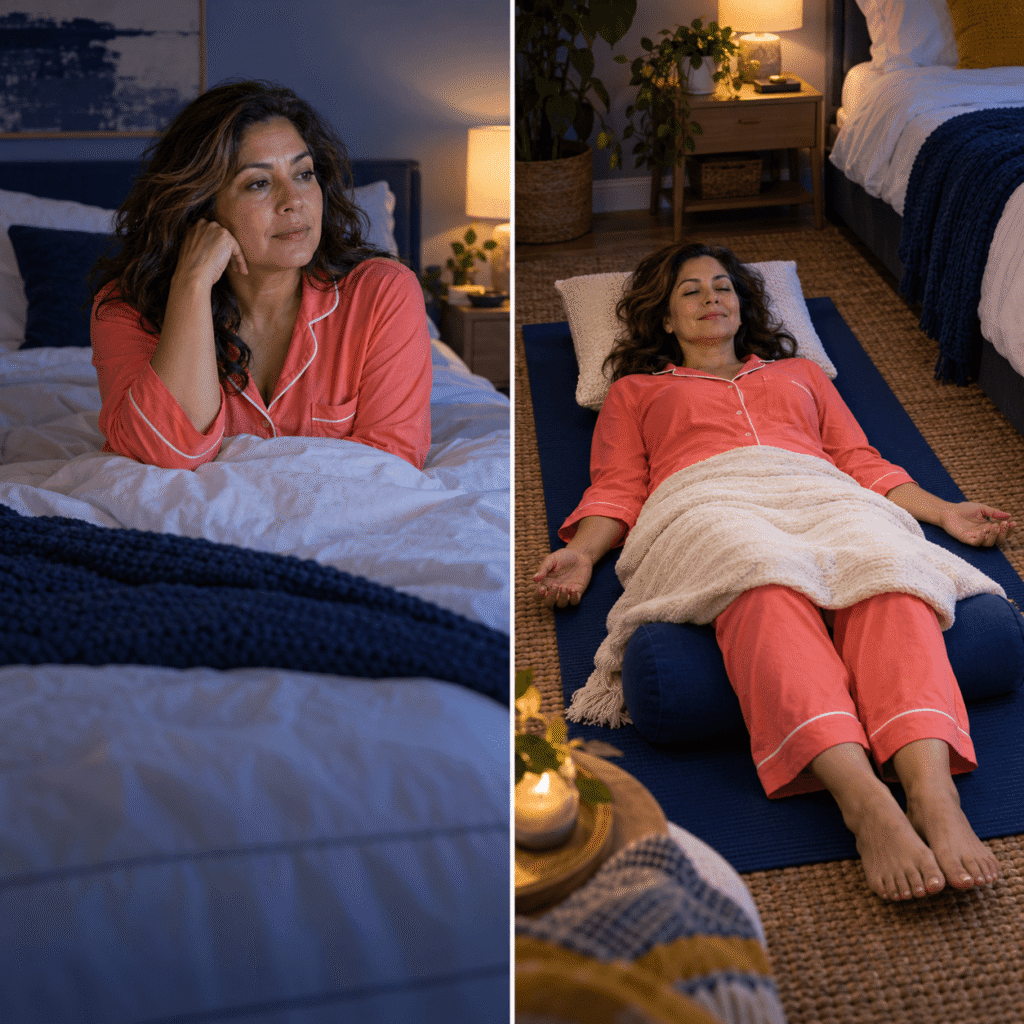
Sleep problems in menopause rarely have one cause. Pain, low mood, alcohol, sleep apnea, restless legs, and stress may all contribute to sleep disturbances.
A structured sleep meditation gives the mind a neutral task. Body scanning and breath awareness may soothe arousal and promote profound relaxation, improving sleep quality by making bedtime feel more predictable.
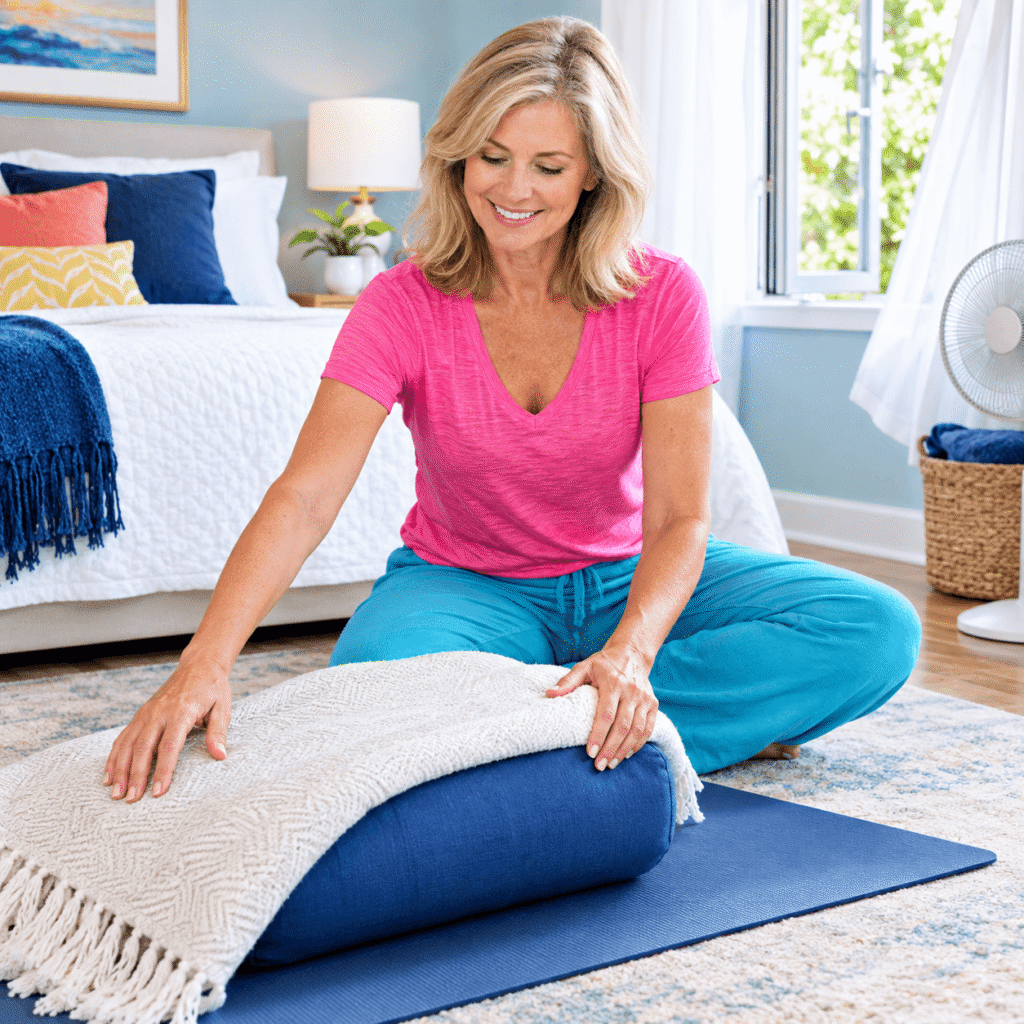
Meditation May Ease Stress And Anxiety
In guided meditation, the practitioner directs attention through the mind and body without requiring thoughts to disappear. This can interrupt worry loops and support emotional balance.
Research reports a reduction in anxiety, depressive symptoms, and perceived stress in some groups. Evidence that it consistently lowers cortisol in menopausal women remains limited. It may enhance coping and calm, not fix the nervous system.
Better Sleep Supports Concentration
Yoga nidra is not a cure for brain fog. Yet improving sleep quality may support concentration, mood, mental clarity, and overall health.
During your Second Spring, deep rest can help you recharge. This Wise Woman approach respects recovery while recognizing that persistent insomnia deserves assessment.
Yoga Nidra And Other Sleep Tools

| Approach | Main Target | Typical Timing | Menopause Evidence | Main Limitation |
|---|---|---|---|---|
| Yoga nidra | Arousal, tension, stress | 15 to 30 minutes | Promising but limited | Cannot treat medical causes |
| Mindfulness meditation | Thoughts and reactivity | 10 to 30 minutes | Early supportive evidence | May feel demanding |
| Restorative menopause yoga | Movement, breathing, calm | 20 to 60 minutes | Some symptom benefits | Requires physical movement |
| CBT-I | Behaviors sustaining insomnia | Multiweek program | Strong evidence for insomnia | Requires structured work |
| Sleep hygiene | Environment and routine | Daily | Useful foundation | Often insufficient alone |
Broader practice of yoga research suggests possible improvements in menopause symptoms and sleep quality. Yoga nidra requires less movement than menopause yoga, suiting women seeking restful, restorative rest.
A 20-Minute Yoga Nidra Guide

- Choose a 15 to 20-minute recording from a qualified, trauma-aware practitioner.
- Practice before bed or after an early wake-up, but never while driving.
- Keep the room cool if night sweats contribute to disturbed sleep.
- Lie comfortably and follow the sleep meditation without trying to achieve profound results.
- Practice daily for two weeks. Regular practice matters more than session length.
- Track bedtime, awakenings, anxiety, hot flashes, and morning energy.
- Continue if you notice better sleep, greater calm, or improved overall well-being.
This protocol may encourage deep relaxation, but it cannot replace evaluation for loud snoring, breathing pauses, severe low mood, persistent heart palpitations, or prolonged insomnia.
An Expert Angle For Better Results

A useful expert approach is to match the practice to each awakening. Record whether you wake after a hot flash, discomfort, racing thoughts, palpitations, or no obvious trigger.
Yoga nidra may help stress-driven hyperarousal but will not correct sleep apnea, thyroid disease, restless legs, or untreated vasomotor symptoms. Future research should classify menopausal women by the cause of their sleep problems and measure both subjective sleep quality and objective sleep data.
Frequently Asked Questions
Can 20 Minutes Replace Lost Sleep?
No, 20 minutes of yoga nidra cannot replace lost sleep during perimenopause. It may provide deep rest and ease fatigue, but it does not recreate every stage of deep sleep. Ongoing sleep loss requires investigation of its underlying cause.
How Does Yoga Nidra Lower Cortisol?
Yoga nidra may reduce arousal by slowing breathing, releasing tension, and promoting relaxation. Some studies report favorable stress changes, but cortisol findings are not conclusive for menopausal women. Think of it as supportive nervous system practice, not a guaranteed hormone treatment.
Is It Better For Menopause Brain Fog?
Yoga nidra may feel easier than traditional meditation when fatigue or poor concentration makes sitting difficult. Its step-by-step format can encourage mental relaxation without intense effort. The best practice is the one you can follow consistently.
Can Sleep Yoga Stop Nighttime Panic?
Yoga nidra may soothe anxiety during nighttime panic and heart palpitations, but it cannot diagnose their cause. Seek urgent help for palpitations with chest pain, fainting, severe dizziness, or breathlessness. A meditation practice should complement, not replace, medical care.

Where Can I Find A Menopause Script?
Choose a yoga nidra script specifically designed for menopause relief from a qualified practitioner. Look for gentle breathing, body scanning, cooling visualization, and no promise to “fix” hormones. Stop if the guided meditation increases distress.
Continue Your Journey
Yoga nidra can restore calm, but your menopause journey may benefit from a wider whole-person plan. Discover how Traditional Chinese Medicine and Ayurveda may help balance menopause hormones and explore how traditional wisdom, modern evidence, and personalized support can work together.
References
- Moszeik EN, von Oertzen T, Renner KH. The effects of an online yoga nidra meditation on sleep, stress, and well-being. International Journal of Yoga Therapy. 2020;30(1):65-73.
- Sharpe E, et al. A closer look at yoga nidra: Early randomized sleep laboratory evidence. Sleep and Vigilance. 2023.
- Gulia KK, Kumar VM. Yoga nidra practice shows improvement in sleep in patients with chronic insomnia: A randomized controlled trial. National Medical Journal of India. 2021;34.
- Baker FC, Lampio L, Saaresranta T, Polo-Kantola P. Sleep and sleep disorders in the menopausal transition. Sleep Medicine Clinics. 2018;13(3):443-456.
- Cramer H, Lauche R, Langhorst J, Dobos G. Effectiveness of yoga for menopausal symptoms: A systematic review and meta-analysis. Evidence-Based Complementary and Alternative Medicine. 2012;2012:863905.
- National Center for Complementary and Integrative Health. Menopausal Symptoms: In Depth.
- National Center for Complementary and Integrative Health. Psychological and Physical Approaches for Sleep Disorders.



Pingback: 3 Simple Ways to Cool Hot Flashes and Ditch Night Sweats - Progress Tribe