
The 60-Second Answer
The most commonly prescribed TCM herbs for menopause night sweats include prepared rehmannia, anemarrhena, phellodendron, moutan bark, and schisandra. They are often combined in formulas such as Zhi Bai Di Huang Wan. Evidence remains limited, however, so treatment should be personalized by a qualified TCM practitioner and coordinated with your clinician.
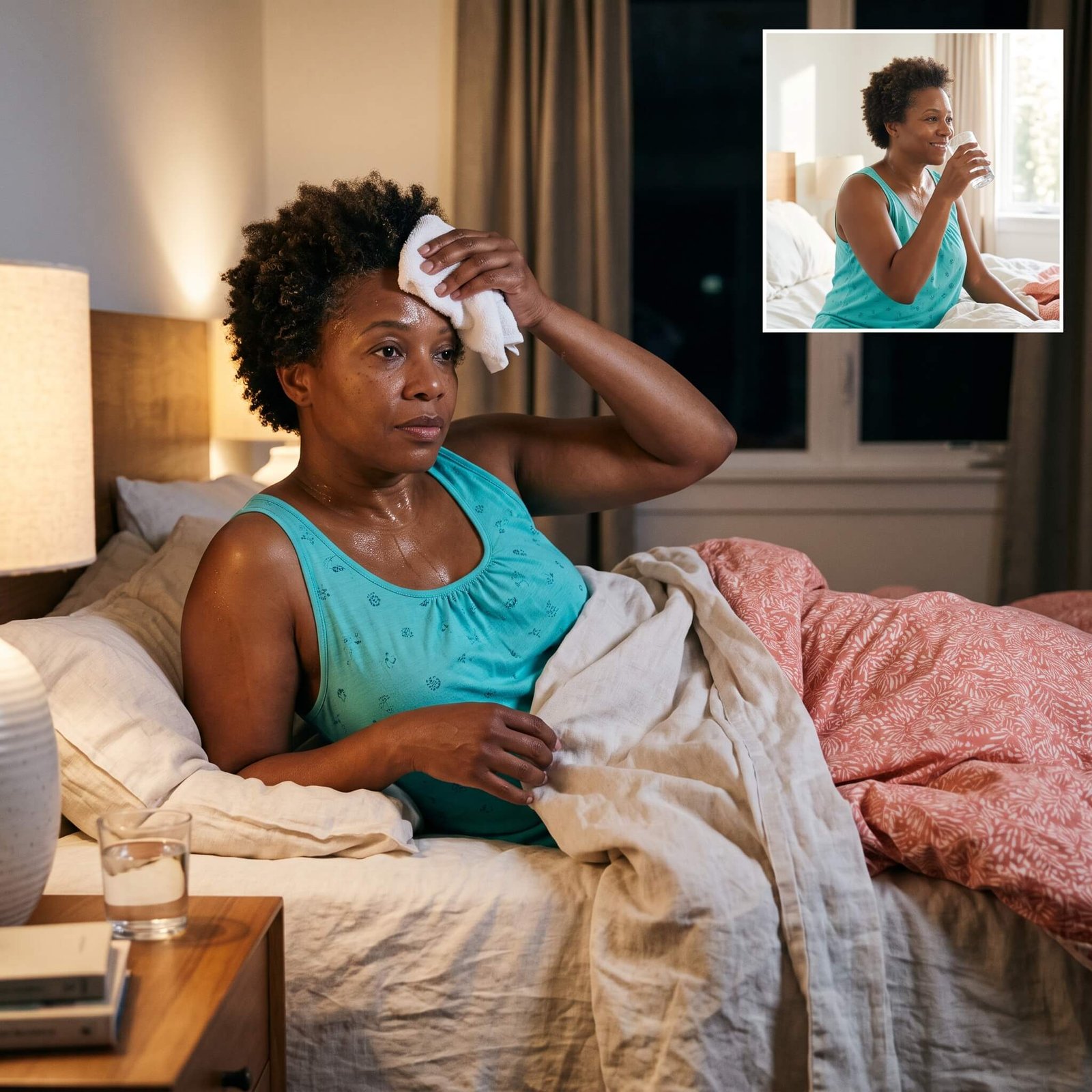
Hot flashes and damp sheets can make menopause feel exhausting and unpredictable. Traditional Chinese medicine describes this pattern as deficient yin failing to restrain internal heat. Western medicine explains it differently, but both perspectives recognize that menopausal temperature regulation has changed. Chinese herbal medicine may provide complementary support, but it should not replace evidence-based evaluation or treatment.
How TCM Herbs Address Night Sweats
Menopause Alters Temperature Control
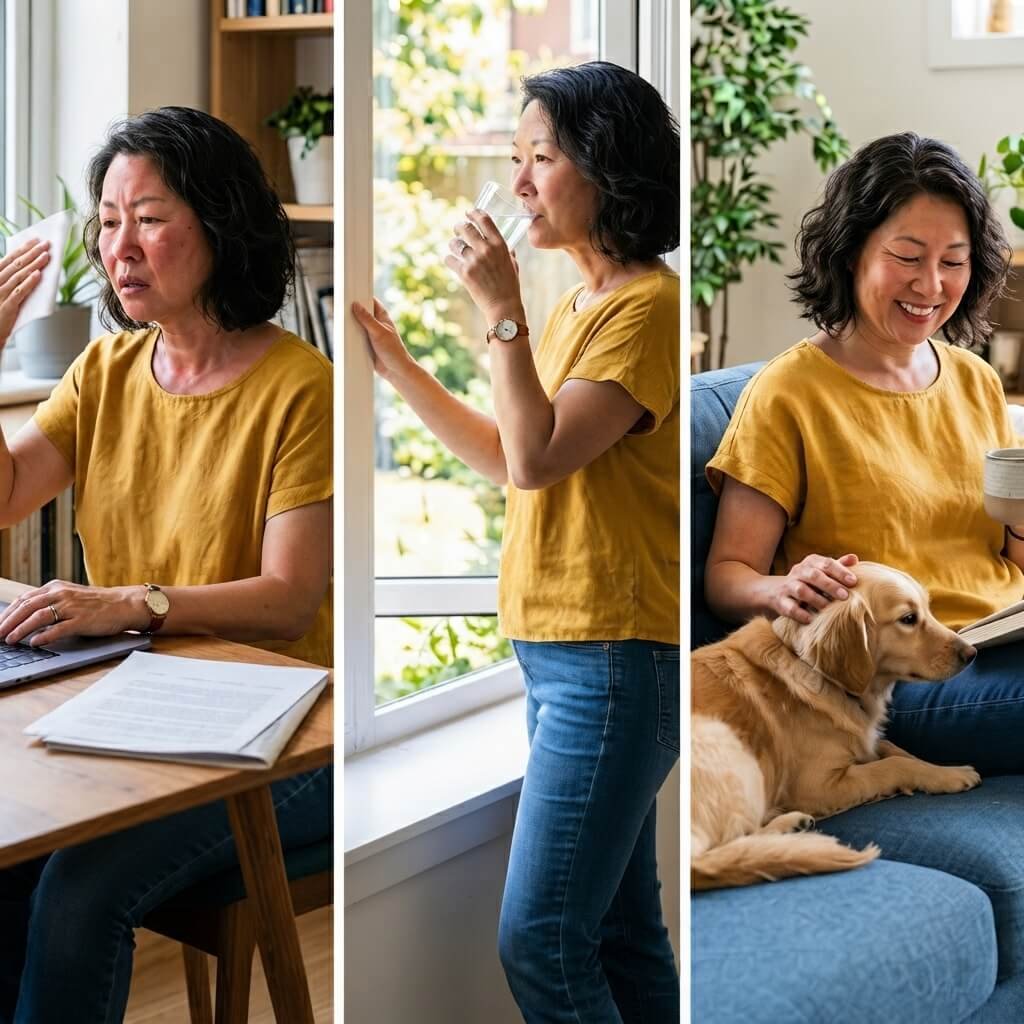
Declining estrogen changes signaling at hormone receptors in the hypothalamus, the brain’s temperature-control center. This affects KNDy neurons, which help regulate reproduction and body temperature. The thermoneutral zone narrows, so a small rise in core temperature can trigger hot flushes, sweating, peripheral vasodilation, and sometimes a racing heartbeat.
Progesterone changes may also influence sleep and nervous system regulation. Night sweats then create a secondary metabolic shift through sleep loss, increased fatigue, appetite changes, and poorer glucose regulation.
TCM treatments use another framework. Traditional Chinese medicine principles view menopausal hot flashes and night sweats as possible signs of kidney yin deficiency, although patterns such as heart yin deficiency, liver constraint, or yin and yang deficiency may also occur. This is a traditional diagnostic model, not a measurable hormone diagnosis.
Yin Deficiency Guides TCM Treatment

In TCM, yin represents cooling, moistening, and restorative functions. A woman with yin deficiency may experience night sweats, dry mouth, warm palms, insomnia, tinnitus, or afternoon and evening heat. A Chinese medicine practitioner also evaluates digestion, energy, emotional symptoms, pulse, and tongue before recommending an herbal formula.
This matters because TCM looks at the whole symptom pattern. Two menopausal women experiencing hot flushes may receive different herbal combinations. Personalized treatment is central to diagnosis and treatment, but it also makes standardized clinical research difficult.
Rehmannia Anchors Yin Herbal Formulas
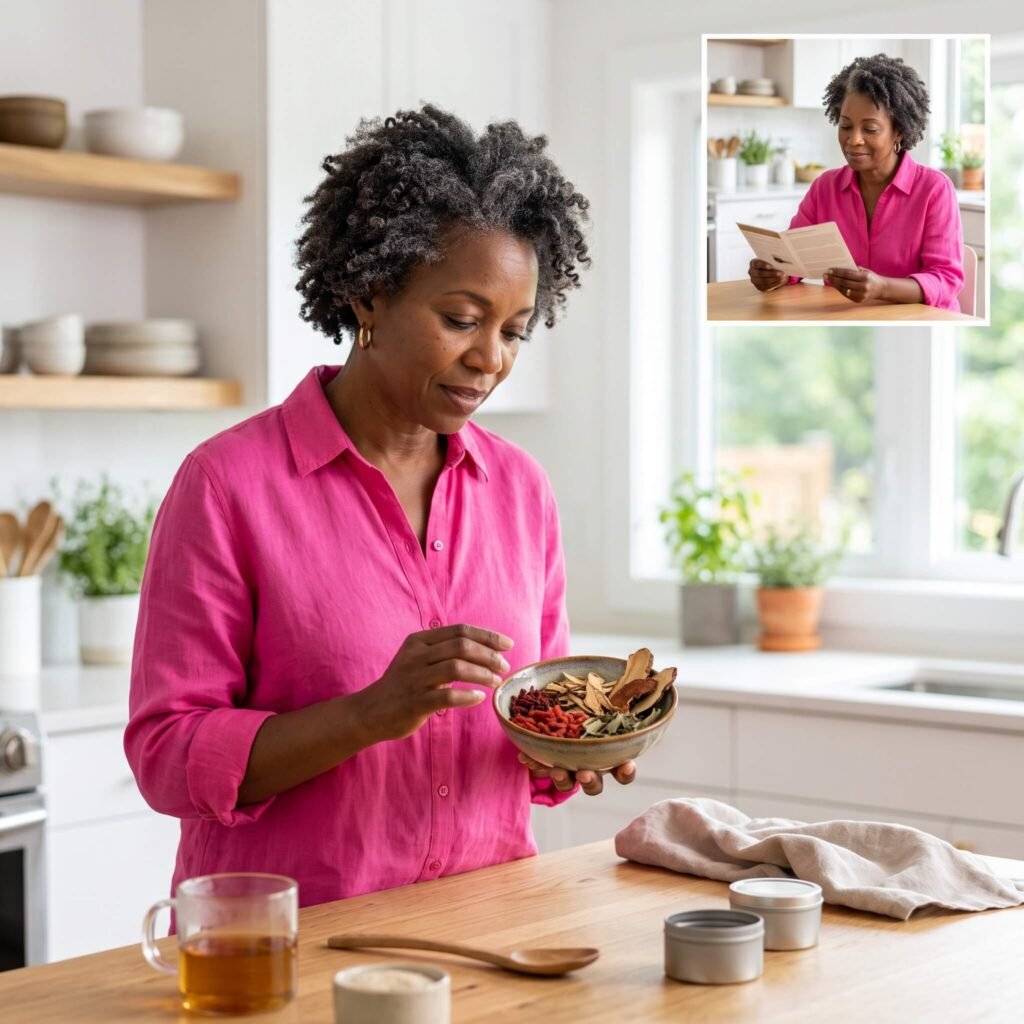
Prepared rehmannia root, called Shu Di Huang, is a foundational Chinese herb used to nourish kidney yin and blood. It appears in Liu Wei Di Huang Wan, a classical six-herb formula traditionally selected for kidney yin deficiency.
Zhi Bai Di Huang Wan adds Zhi Mu, or anemarrhena, and Huang Bai, or phellodendron, to the Liu Wei formula. In TCM theory, these additions clear deficiency heat, making the formula more relevant when night sweats, daytime hot sensations, or severe hot episodes dominate.
These traditional actions should not be interpreted as proof that the herbs raise estrogen or correct a hormonal imbalance. Human evidence for specific formulas remains mixed, and studies often use different herbal formulations, doses, diagnostic patterns, and outcome measures.
Chinese Herbs Serve Different Patterns

| Herb Or Formula | Traditional TCM Role | Possible Menopausal Use | Important Caution |
|---|---|---|---|
| Shu Di Huang | Nourishes kidney yin and blood | Dryness, weakness, night sweats | May worsen bloating or loose stools |
| Zhi Mu | Clears deficiency heat | Hot flashes and night sweats | Requires medication review |
| Huang Bai | Clears heat and dampness | Strong heat or sweating patterns | Not appropriate for every constitution |
| Wu Wei Zi | Astringes excessive sweating | Persistent spontaneous or night sweating | May interact with medicines metabolized by the liver |
| Zhi Bai Di Huang Wan | Nourishes yin and clears heat | Yin deficiency with menopausal hot flushes | Use only after individualized assessment |
| Jia Wei Xiao Yao San | Moves constrained liver qi and clears heat | Hot flash symptoms with irritability | Formula choice depends on the full pattern |
Dong quai, known as Dang Gui, is often marketed as medicine for menopausal symptoms, but it is not primarily a sweat-stopping herb. Research has not established it as a reliable standalone treatment to reduce hot flashes. Black cohosh is a Western botanical rather than a TCM herb, and major menopause guidance does not recommend herbal supplements as proven treatments for vasomotor symptoms.
Herbal Medicine Evidence Remains Uncertain
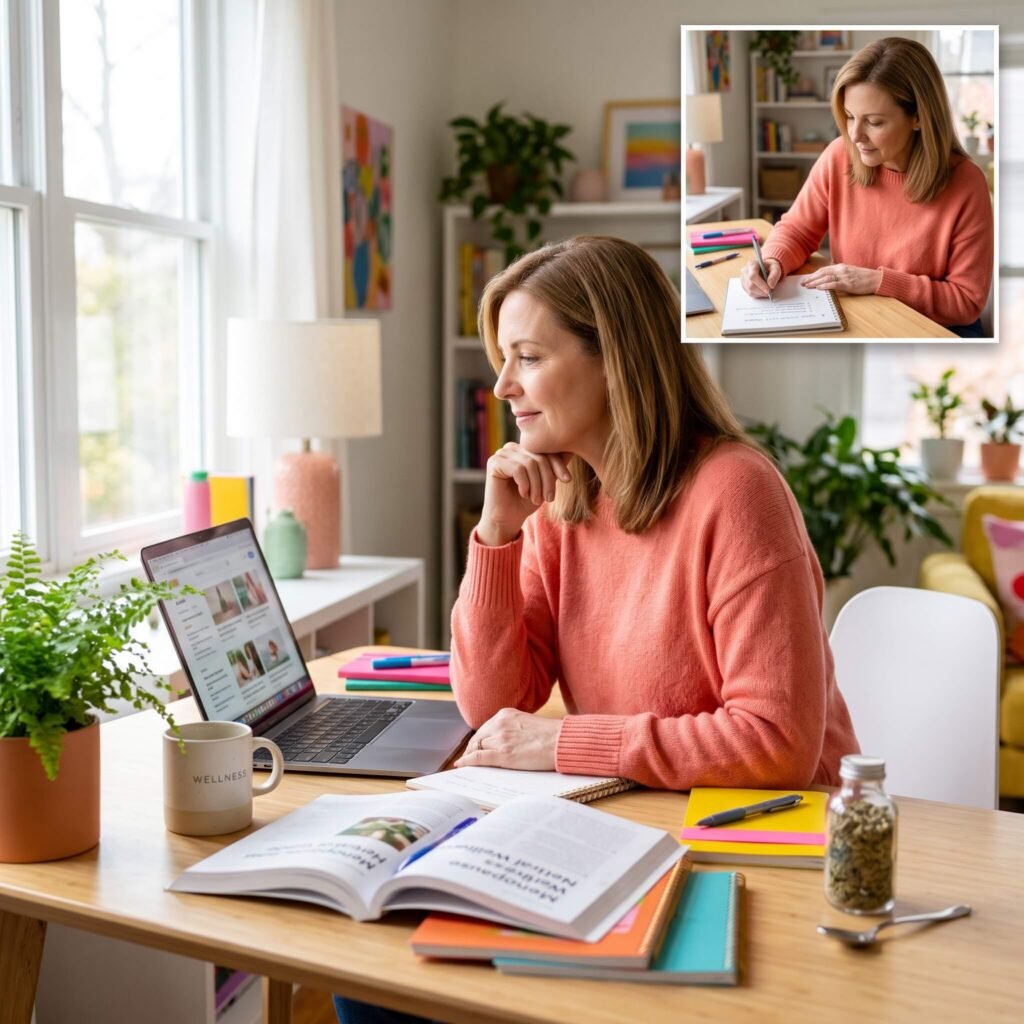
Systematic reviews of Chinese herbal medicine for menopausal symptoms report possible reductions in hot flash frequency and severity. However, confidence is weakened by small samples, inconsistent formulas, inadequate blinding, and variable study quality.
The 2023 Menopause Society position statement did not recommend supplements and herbal remedies for vasomotor symptom treatment because consistent evidence of benefit was lacking. Hormone therapy remains the most effective treatment for suitable candidates, while evidence-based nonhormonal options are available for women who cannot or prefer not to use hormones.
Acupuncture has a better safety record when performed correctly, but evidence suggests much of its improvement may be nonspecific. Acupuncture and herbs can still be discussed within an integrative medicine treatment plan when expectations are realistic.
Herbal Safety Requires Clinical Review

“Natural” does not guarantee safe. Chinese herbal products can vary in identity, strength, purity, and contamination risk. An herbal extract may also interact with anticoagulants, blood pressure drugs, sedatives, diabetes medicines, cancer therapies, or hormone therapy.
He Shou Wu has been associated with liver injury and should not be casually substituted for rehmannia. Dong quai may increase bleeding concerns and requires particular caution with anticoagulants. Seek medical assessment if sweating is new, drenching, or accompanied by fever, unexplained weight loss, chest pain, severe palpitations, or swollen lymph nodes.
Choose a qualified TCM practitioner who uses independently tested products and is willing to coordinate with your women’s health clinician.
A Safe Night Sweats Treatment Plan

- Record daytime hot flashes and night sweats for 14 days, including timing, severity, sleep disruption, alcohol, caffeine, spicy food, and medications.
- Keep the bedroom at approximately 60°F to 67°F, or 16°C to 19°C, if comfortable. Use breathable layers and keep water nearby.
- Avoid alcohol within four hours of bed and finish caffeine at least eight hours before bedtime.
- Arrange a clinical review for thyroid disease, infection, medication effects, sleep apnea, and other potential causes.
- Ask a qualified TCM practitioner whether your presentation fits kidney yin deficiency or another pattern.
- Use only a clearly labeled, batch-tested Chinese herbal formula. Follow its professional or manufacturer-directed dose rather than combining loose herbs yourself.
- Reassess hot flash frequency, severity, sleep, blood pressure, and side effects after four weeks. Stop and seek care for jaundice, dark urine, rash, fainting, or persistent digestive symptoms.
Expert Angle: Track More Than Frequency
A valuable patient-level approach is to track both sweat frequency and sleep recovery. Record awakenings, clothing or bedding changes, morning energy, and trigger exposure. This distinguishes fewer vasomotor symptoms from simply sleeping through them and produces better data for personalized treatment decisions.
Frequently Asked Questions
What Does Yin Deficiency Mean In Menopause?
Yin deficiency is a TCM pattern associated with internal heat, dryness, insomnia, and night sweats. It does not mean laboratory-confirmed estrogen deficiency. A qualified TCM practitioner determines whether this pattern fits before using a yin-nourishing herbal formula.
Is Dong Quai Safe With High Blood Pressure?
Dong quai is not automatically safe for women with high blood pressure. It may interact with anticoagulants and other medicines, while multi-herb products can have additional effects. Ask both your prescribing clinician and TCM practitioner to review the exact product.
How Quickly Can Chinese Herbal Tea Help?
Some practitioners reassess Chinese herbal medicine for menopausal symptoms after two to four weeks. Improvement is not guaranteed, and clinical trials do not establish one reliable timeline for stopping night sweats. Persistent or worsening symptoms require medical evaluation.
Can Rehmannia Be Used With Hormone Therapy?
Rehmannia or Zhi Bai Di Huang Wan should not be added to hormone therapy without professional review. Interaction data are limited, and formulas contain several active herbs. Bring the complete ingredient list to your menopause clinician and Chinese medicine practitioner.
Which TCM Formulas Help Menopause Insomnia?
Zhi Bai Di Huang Wan may be considered when insomnia occurs with yin deficiency and heat, while other patterns may call for different formulas. The best formula depends on the complete symptom picture, not insomnia alone. Evidence for these formulas remains less certain than evidence for established menopause treatments.
Continue Your Journey
Your Second Spring deserves care that respects tradition while following modern evidence. Explore How Can Traditional Chinese Medicine And Ayurveda Help Balance Menopause Hormones? to discover how acupuncture, herbal medicine, food practices, and nervous system support may fit into a safer, personalized wellness plan.
References
- Freedman RR. Menopausal hot flashes: mechanisms, endocrinology, treatment. Journal of Steroid Biochemistry and Molecular Biology. 2014;142:115-120. PubMed
- The North American Menopause Society. The 2023 nonhormone therapy position statement of The North American Menopause Society. Menopause. 2023;30(6):573-590.
- Moore AM, Coolen LM, Lehman MN. KNDy neurons and hypothalamic control of reproductive and thermoregulatory function. Endocrinology. 2024. Full-text review
- National Center for Complementary and Integrative Health. Dietary and Herbal Supplements. NCCIH
- MedlinePlus. Herbal Medicine. U.S. National Library of Medicine. MedlinePlus
- Gagnier JJ, Boon H, Rochon P, et al. Reporting randomized, controlled trials of herbal interventions: an elaborated CONSORT statement. Annals of Internal Medicine. 2006;144(5):364-367.
