The 60-Second Answer
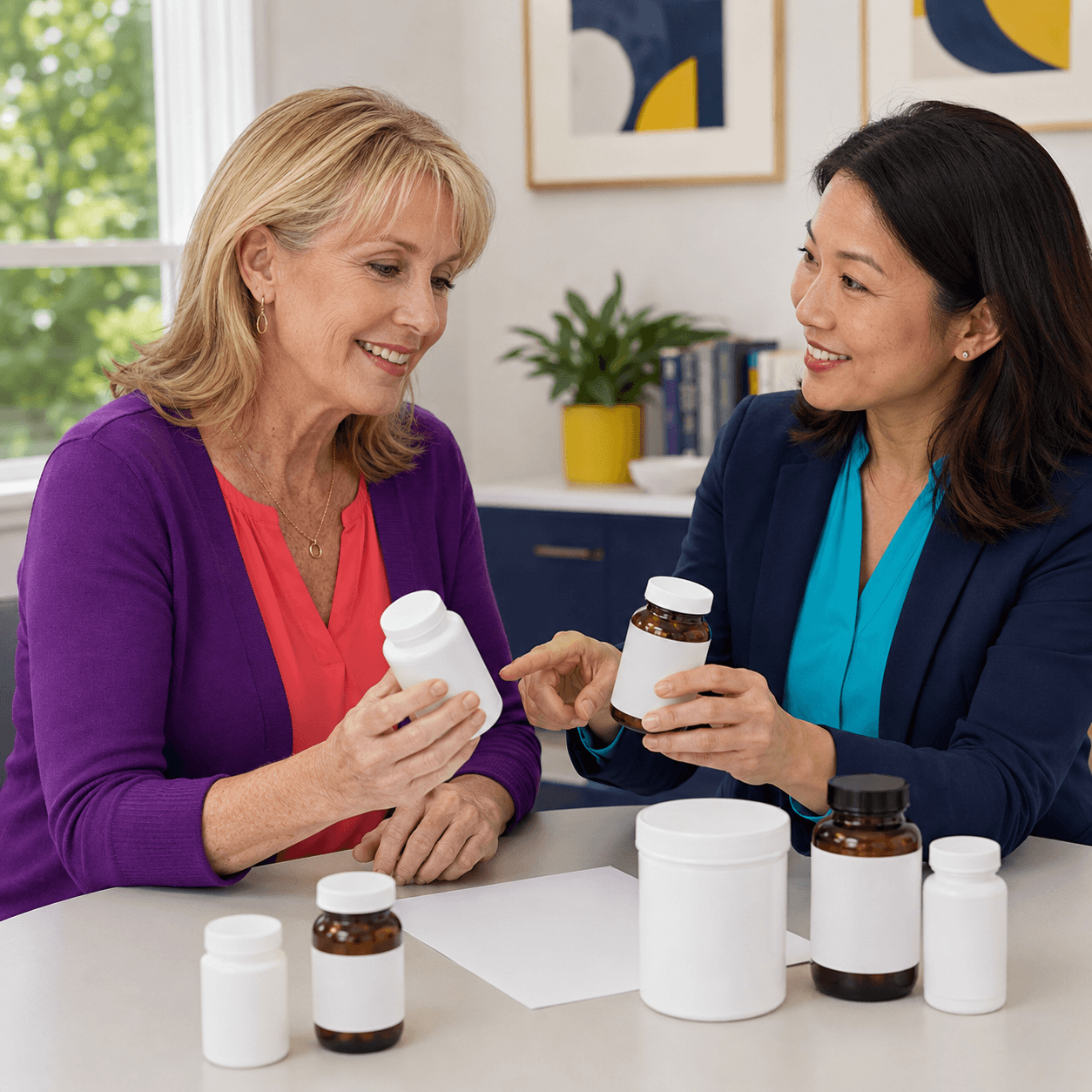
Magnesium glycinate is often a practical first choice for natural relief for menopause anxiety because it may support relaxation and sleep. However, no supplement works best for everyone. Discuss it with your healthcare provider, especially if you take medicine or have kidney problems. Therapy, exercise, steady sleep, and limiting caffeine may also reduce anxiety symptoms safely during menopause and perimenopause.
What Is The Best Natural Supplement For Menopause-Induced Anxiety?
No Supplement Is Best For Menopause Anxiety

A sudden sense of dread, racing thoughts, heart palpitations, or feeling emotionally “on edge” can make your Second Spring feel frighteningly unfamiliar. These symptoms are real, but they do not automatically mean something is psychologically wrong with you.
Current evidence does not identify one herbal or nutritional supplement as the best treatment for menopause-induced anxiety. Magnesium is a reasonable first supplement to discuss with your doctor, particularly if dietary intake is low, sleep problems are present, or testing suggests deficiency. However, it is not a proven menopause-specific anxiety treatment.
Omega-3 fatty acids are another possibility. A 2024 meta-analysis of 23 trials found that approximately 2 grams daily produced the greatest anxiety improvement, but the certainty of evidence was very low and the participants were not exclusively menopausal women.
Hormone Changes Alter Nervous Regulation

During perimenopause, the ovary produces estrogen and progesterone less predictably. Hormone levels may fluctuate sharply before settling at lower levels after menopause.
Estrogen Affects Receptors In The Brain
Estrogen interacts with hormone receptors and influences serotonin, dopamine, GABA, and other neurotransmitter systems involved in mood and mental focus. Changing estrogen levels can therefore affect emotional regulation, reuptake pathways, and the brain’s response to stress.
Progesterone metabolites also interact with GABA receptors in the brain. When progesterone becomes unpredictable, some women experience mood swings, insomnia, brain fog, or increased sensitivity to the stress hormone cortisol.
Hot Flash Burden Amplifies Anxiety

A hot flash can activate the sympathetic nervous system, increasing heart rate and alertness. Repeated hot flashes and night sweats fragment sleep, making nervous system regulation harder the following day.
This creates a reinforcing cycle: vasomotor symptoms interrupt sleep, poor sleep increases cortisol reactivity, and anxiety makes it harder to get better sleep. Treating the hot flushes may provide more symptom relief than taking an anxiety supplement alone.
Menopause Symptoms Start In Perimenopause

Anxiety may begin during perimenopause and menopause even in women without a previous anxiety disorder. Hormonal changes, caregiving pressure, health concerns, and metabolic shift can overlap.
A healthcare provider should also consider thyroid disease, anemia, medication side effects, sleep apnea, arrhythmia, depression, and excessive caffeine. New chest pain, fainting, suicidal thoughts, or severe panic requires prompt medical attention.
Natural Remedies Need Stronger Evidence
| Option | Evidence For Anxiety | Typical Studied Amount | Key Cautions |
|---|---|---|---|
| Magnesium | Limited and indirect | 200 to 350 mg supplemental magnesium | Diarrhea; kidney disease; drug interactions |
| Omega-3s | Possible benefit; very low certainty | About 2 g EPA plus DHA daily | Bleeding risk; digestive effects |
| Ashwagandha | Limited short-term stress evidence | Product-specific extracts | Thyroid effects, sedation, rare liver injury |
| Black cohosh | No clear anxiety benefit | Product-specific | Possible liver injury; product variability |
| Evening primrose oil | Insufficient anxiety evidence | No established dose | Bleeding and seizure concerns |
Black Cohosh Does Not Reliably Reduce Anxiety
Black cohosh is widely included in natural remedies for menopause, but a 2023 review found possible improvement in overall menopausal symptoms and hot flashes, not anxiety or depression.[2] Rare reports of liver injury and mislabeled products are additional concerns.
Evening primrose oil, phytoestrogen supplements, soy extracts, acupuncture, and other complementary medicines are sometimes marketed to support hormonal balance or reduce hot flashes. Evidence remains inconsistent, and “natural” does not mean free from possible side effects.
Natural Remedies For Menopause Need Testing
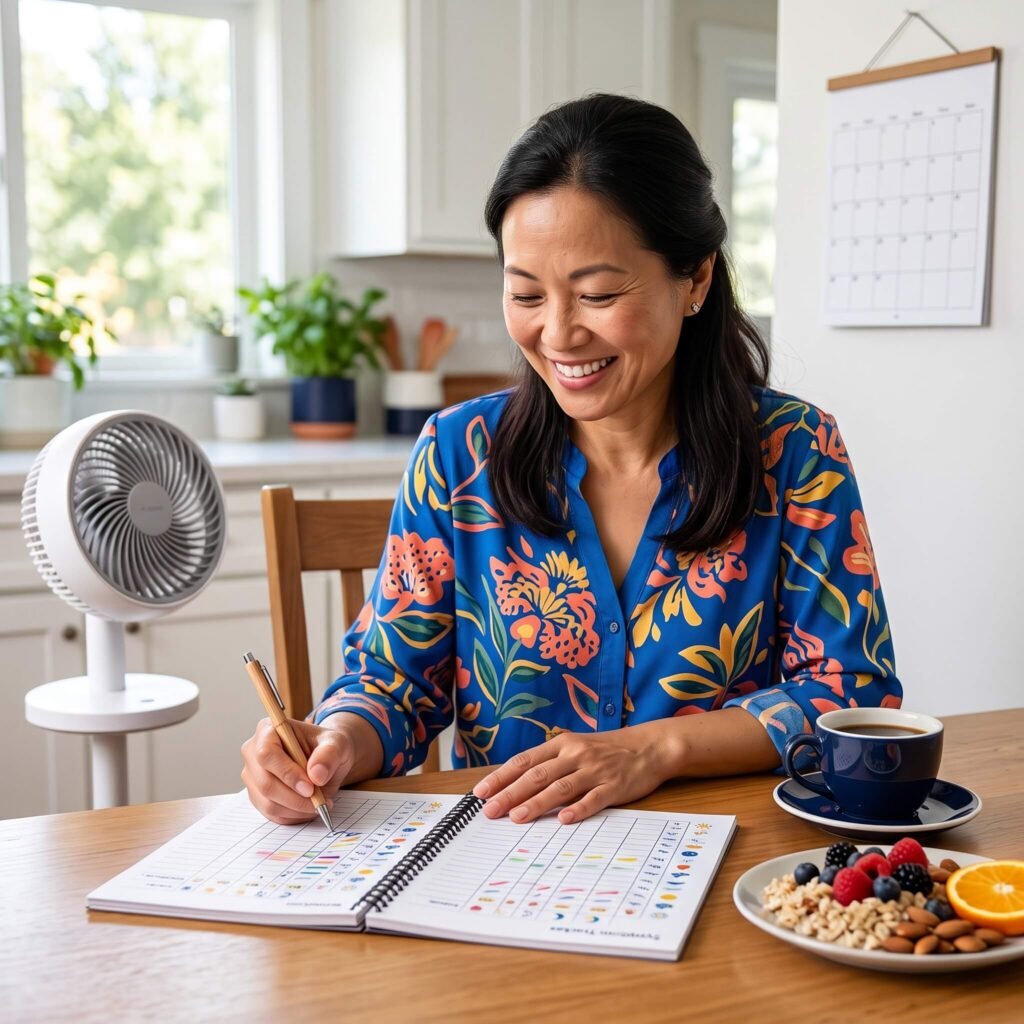
The most useful expert angle is to match the intervention to the symptom pathway instead of treating every anxious menopausal woman alike. For example, track whether anxiety follows a hot flash, poor night of sleep, caffeine intake, or a stressful event.
This symptom-timing approach may reveal whether the priority is vasomotor treatment, a bedtime routine, cognitive behavioural therapy, nutrient correction, or evaluation for anxiety and depression. It provides more information gain than selecting an herbal remedy by popularity.
HRT And Replacement Therapy Require Review
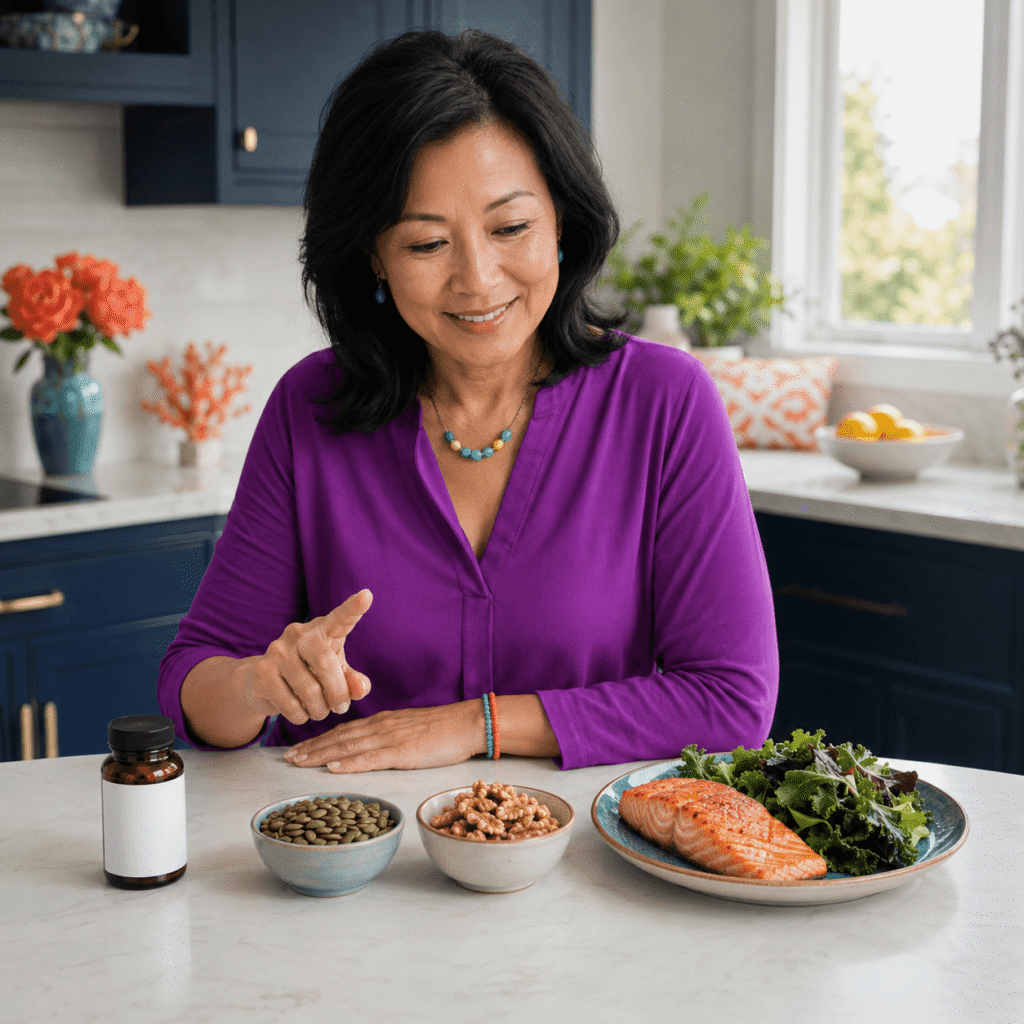
Hormone replacement therapy may improve mood when anxiety accompanies hot flashes, night sweats, and other symptoms of menopause. It is not primarily an anxiety medication, and benefits depend on a woman’s age, menopausal stage, symptoms, and medical history.
Discuss the benefits and side effects of hormone therapy with a menopause specialist. HRT decisions should also consider bone density, osteoporosis risk, heart health, bleeding history, migraine, and hormone-sensitive conditions. NICE recommends considering menopause-specific cognitive behavioural therapy alongside HRT or when HRT is unsuitable.[3]
A Practical Menopause Relief Protocol

- Track symptoms for two weeks. Record anxiety, sleep, caffeine, alcohol, hot flashes, meals, and menstrual changes.
- Review medications and health conditions. Talk to your doctor before combining herbal supplements with HRT, antidepressants, sedatives, thyroid medicine, or blood thinners.
- Prioritize food. Include magnesium-rich legumes, seeds, whole grains, leafy vegetables, and foods rich in omega-3 fatty acids. Vitamin D and calcium support maintenance of bone density but do not directly treat anxiety.
- If approved, trial one product. Consider 200 to 350 mg of supplemental magnesium glycinate in the evening for four weeks. Stop for diarrhea or other reactions.
- Regulate the nervous system daily. Use five minutes of slow breathing exercises twice daily, regular exercise, and a consistent bedtime routine.
- Reassess after four weeks. Do not keep adding supplements when symptoms are not improving.
Regular Exercise Supports Menopause Relief

Regular exercise cannot “balance hormones” in a literal sense, but exercises can help reduce anxiety, improve sleep quality, protect bone density, and support overall health. Combine aerobic movement with two or more weekly strength sessions.
Deep breathing and other natural methods may reduce immediate arousal. Cognitive behavioural therapy can address catastrophic thoughts, insomnia, and fear of hot flashes without the medication interactions associated with herbal remedies.
Menopause Anxiety Questions Answered
Why Do I Feel Anxious Since Menopause?
Changing hormone levels can influence neurotransmitter signaling, sleep, and cortisol sensitivity. Menopause symptoms such as palpitations and hot flashes can also resemble anxiety, creating fear even without an obvious trigger. A clinician can rule out thyroid, heart, medication, and mental health causes.
What Is The Best Non-Hormonal Supplement For Midlife Anxiety?
No non-hormonal supplement has been proven best for menopausal anxiety. Magnesium may help when intake or status is low, while omega-3 evidence is promising but uncertain. Treatment should reflect your symptoms, needs, and medical history.
Can I Take Natural Anxiety Supplements With HRT?
Sometimes, but interactions and overlapping side effects are possible. Ashwagandha can affect thyroid function and sedating herbs may interact with other medicines, while black cohosh has liver safety concerns.[2][4] Talk to your doctor or pharmacist before combining herbal supplements with HRT.
How Long Do Herbal Anxiety Remedies Take?
Research trials generally assess herbal remedies over several weeks, not several hours. Improvement within four to eight weeks should be measured with a symptom diary, and ineffective products should be reconsidered. Severe anxiety should not be left untreated while waiting for a supplement to work.
Continue Your Journey
Your menopause journey can become a Wise Woman chapter built on evidence, self-knowledge, and appropriate support. Next, explore how to clear menopause brain fog and regain mental focus through sleep, nutrition, movement, stress regulation, and individualized medical care.
References
- Bafkar N, et al. “Efficacy and Safety of Omega-3 Fatty Acids Supplementation for Anxiety Symptoms.” Prostaglandins, Leukotrienes and Essential Fatty Acids. 2024. PubMed.
- National Center for Complementary and Integrative Health. “Black Cohosh: Usefulness and Safety.” Updated 2025. NCCIH.
- National Institute for Health and Care Excellence. “Menopause: Identification and Management.” NICE Guideline NG23. Updated 2024. NICE.
- National Center for Complementary and Integrative Health. “Ashwagandha: Usefulness and Safety.” NCCIH.
- Arab A, et al. “The Role of Magnesium in Sleep Health: A Systematic Review.” Biological Trace Element Research. 2023;201:1214-1224. PubMed.