The 60-Second Answer
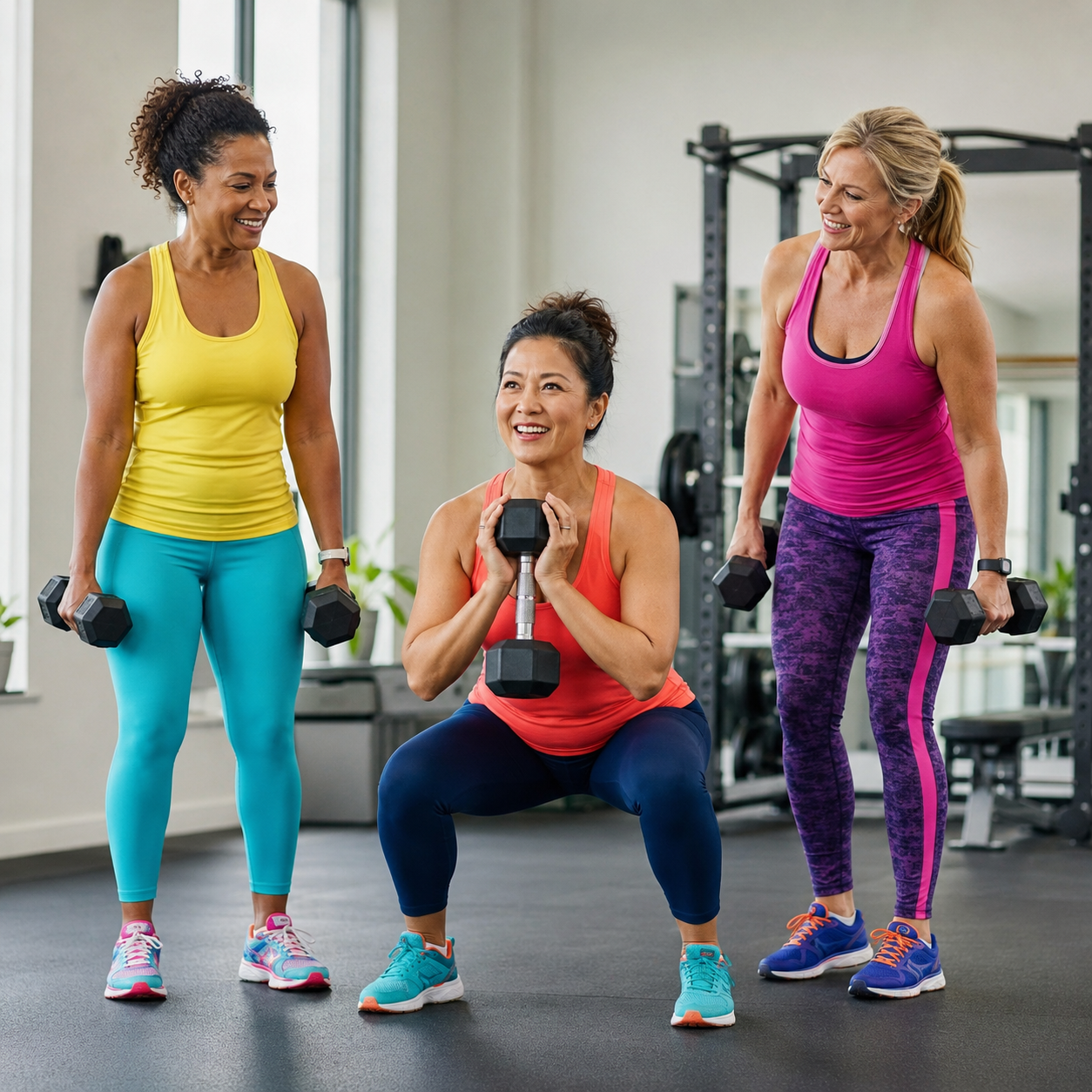
Strength training is often better than cardio for menopause weight loss because it builds muscle, which helps your body burn more calories throughout the day. It also supports stronger bones and improves insulin control. While cardio still benefits your heart, strength training for menopause belly fat helps protect muscle as you lose weight and supports lasting results over time safely.
The Menopause Metabolic Shift
Lower Estrogen Changes Fat Distribution
During the menopause transition, fluctuating and eventually lower estrogen levels affect estrogen hormone receptors in muscle, fat cells, the brain, and other tissues. As estrogen levels drop, women tend to store more fat around the abdomen instead of the hips and thighs. This shift toward visceral fat can occur without dramatic weight gain.
Progesterone also declines and becomes irregular during perimenopause. Although progesterone does not directly control fat loss, hormonal fluctuations can contribute to sleep disruption, mood swings, craving, and reduced physical activity.
Research presented by The Menopause Society reports that midlife women gain approximately 1.5 pounds per year on average. Menopause also promotes a shift from subcutaneous to visceral fat while lean muscle declines, increasing cardiometabolic risk (The Menopause Society, 2025).
Muscle Loss Lowers Metabolic Capacity

Women naturally lose muscle as they get older, but declining estrogen may accelerate unfavorable changes in body composition. Less muscle means fewer calories are required at rest and during activity. Consequently, the same meals and aerobic exercise routine may no longer create the energy deficit they once did.
Strength training provides tension that activates muscle-building signaling pathways. With adequate recovery and lean protein, this process can help build muscle, preserve muscle after menopause, and improve muscle strength. It does not make metabolism limitless, but it helps maintain the tissue most vulnerable during aging.
Poor Sleep Disrupts Nervous System Regulation
Hot flashes, night sweats, stress, and insomnia can impair nervous system regulation. Poor sleep may increase hunger, craving, fatigue, and perceived effort during a workout. It can also make trying to lose weight considerably harder.
Cortisol is not automatically a “belly-fat hormone,” and one HIIT session does not create menopausal weight gain. However, persistently disrupted sleep and high stress can affect cortisol levels, appetite regulation, glucose control, and exercise recovery. A sustainable exercise program should challenge the body without leaving it chronically exhausted.
Weight Training Beats Cardio For Muscle

Cardio Burns Calories But Builds Less Muscle
Cardio and aerobic activity provide major benefits. Brisk walking, swimming, cycling, and other aerobic exercise can burn calories, improve cardiovascular fitness, support mood, and help reduce disease risk.
However, steady-state cardio usually provides insufficient resistance to preserve every major muscle group. If a calorie deficit is aggressive and no resistance work is performed, women may lose muscle along with fat. This can produce a lower scale weight without the desired improvement in shape or metabolic health.
A 2023 systematic review and meta-analysis found that exercise improved body composition in postmenopausal women, with different exercise modes producing different benefits (Khalafi et al., 2023). The evidence supports a combined strategy, not a cardio-versus-strength rivalry.
Strength Training Improves Body Composition

Strength training can help you lose weight indirectly by preserving or increasing lean tissue while nutrition creates a manageable energy deficit. It may also improve insulin sensitivity, balance, bone loading, physical function, and confidence.
A systematic review of randomized trials concluded that resistance training can improve functional capacity and several health outcomes in postmenopausal women (Sá et al., 2023). This is important because excess belly fat and low muscle mass can increase the risks of frailty, insulin resistance, and type 2 diabetes.
No workout can spot-reduce belly fat. Your body determines where fat is released, so hundreds of abdominal exercises cannot selectively remove fat around your middle. Nevertheless, training the whole body can reduce overall fat while developing the muscles beneath the abdomen.
Cardio And Strength Produce Different Gains
| Exercise Type | Primary Benefit | Muscle Effect | Abdominal Fat Effect | Practical Target |
|---|---|---|---|---|
| Progressive weight training | Strength and lean-mass preservation | Strong | Indirect reduction through improved body composition | 2 to 3 full-body sessions weekly |
| Moderate cardio | Heart health and energy expenditure | Low to moderate | Helps reduce total and visceral fat | 150 minutes weekly |
| HIIT | Time-efficient fitness improvement | Moderate | Can reduce abdominal fat | 1 to 2 brief sessions if tolerated |
| Brisk walking | Recovery and daily movement | Low | Supports energy balance | 20 to 40 minutes most days |
| Tai chi | Balance, mobility, and stress support | Low | Minimal direct effect | 1 to 3 sessions weekly |
High-intensity interval training can reduce total and abdominal fat, although a meta-analysis found stronger effects in premenopausal than postmenopausal women (Dupuit et al., 2020). Heavy lifting and HIIT therefore solve different problems: lifting protects muscle, while HIIT primarily develops aerobic capacity and increases energy expenditure.
The Best Menopause Workout Builds Strength
Three Weekly Sessions Protect Muscle
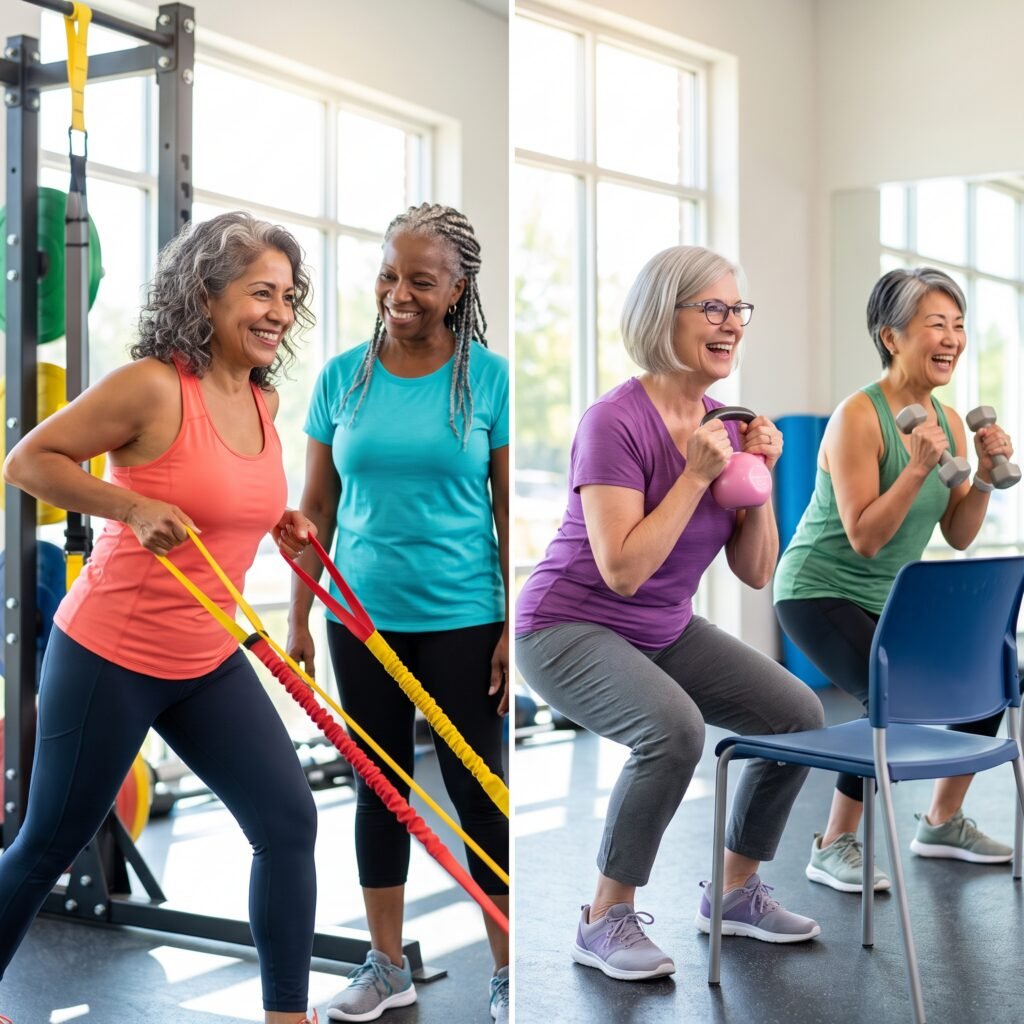
Start with two or three nonconsecutive full-body sessions each week. Use free weights, resistance bands, machines, or exercises using your own body weight. A personal trainer or qualified physical therapist can modify movements for joint pain, osteoporosis, pelvic-floor concerns, or previous injuries.
A practical beginner workout includes:
- Squat to a chair or leg press
- Hip hinge or Romanian deadlift
- Chest press or elevated push-up
- Row or resistance-band row
- Overhead press, if comfortable
- Carry, plank, or dead bug
Complete 2 to 3 sets of 8 to 12 repetitions per exercise. Choose resistance that makes the final two repetitions challenging while preserving good form. When you can comfortably exceed the target, increase the weight by approximately 2.5 to 10 percent.
Cardio Complements Menopause Weight Loss

Aim for at least 150 minutes of moderate aerobic activity each week, consistent with World Health Organization guidance, plus muscle-strengthening work on at least two days (World Health Organization). Walking can be divided into manageable 10-to-30-minute sessions.
If recovery, sleep, and joints are stable, add one short high-intensity interval training session. For example, alternate 30 seconds of vigorous work with 60 to 90 seconds of easy recovery for six rounds. HIIT is optional, not a requirement to lose menopause belly fat.
Protein And Recovery Support Progress
Include a quality lean protein source at each meal to support repair and help preserve muscle. Allow approximately 48 hours before training the same muscle groups intensely again. Track waist measurement, repetitions, strength, energy, and clothing fit instead of relying exclusively on scale weight.
If your stomach enlarges rapidly or is accompanied by pain, persistent bloating, bleeding, bowel changes, or unexplained weight gain, consult a healthcare professional. Not every change around your belly is caused by menopause.
Midlife Strength Is The Expert Advantage
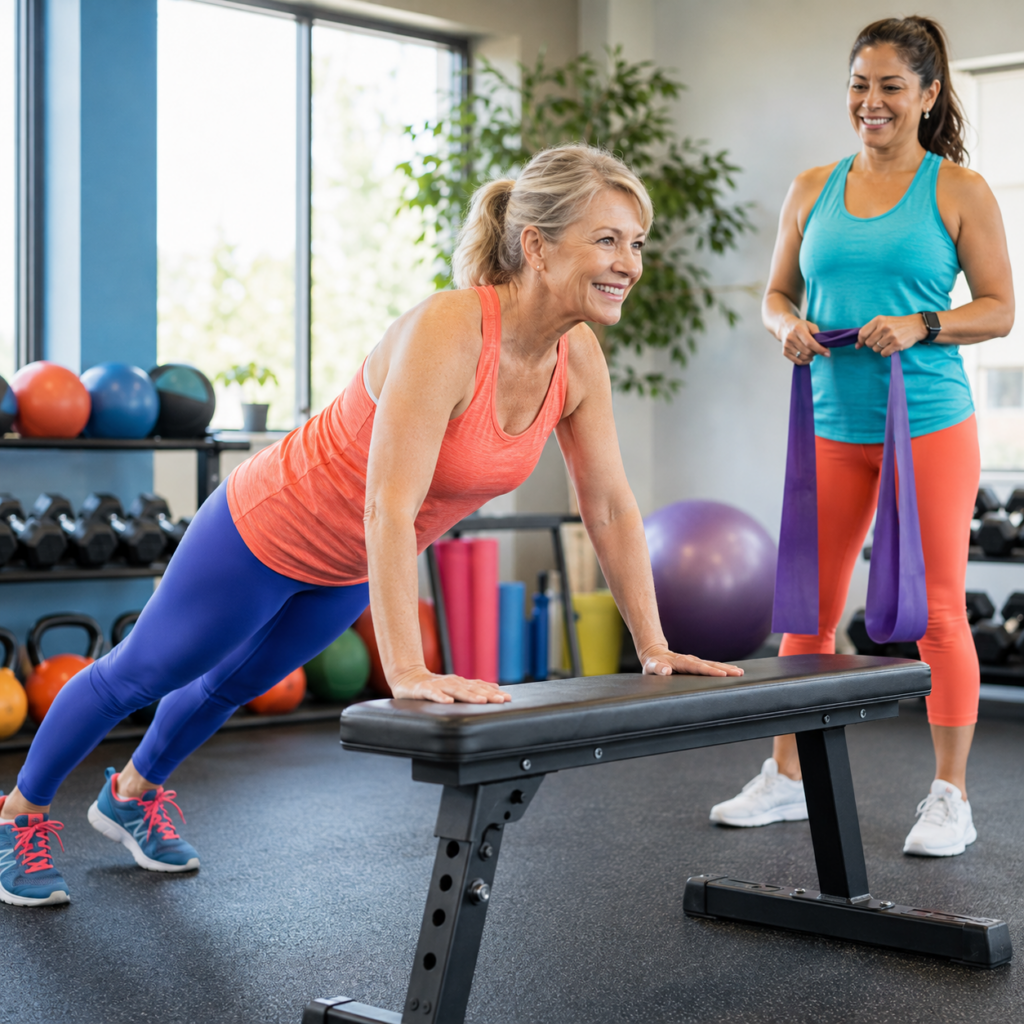
The overlooked expert angle is a “strength-floor” strategy: measure whether a Wise Woman is maintaining key abilities, not simply whether she is burning more calories. Track chair squats, carrying capacity, push strength, and waist circumference every four weeks.
This approach distinguishes fat loss from declining muscle mass. If body weight is stable while waist size falls and strength rises, body composition may be improving even when the scale appears stubborn. That is meaningful progress for long-term menopause weight loss and healthy aging.
Frequently Asked Questions
Why Is My Stomach Bigger If I Run Daily?
Running can improve fitness and help you lose weight, but it may not fully prevent muscle loss or compensate for sleep, appetite, and fat-distribution changes. Running every day can also limit recovery if every session is strenuous. Add two or three strength sessions and review nutrition, sleep, and total movement.
How Often Should I Lift In Menopause?
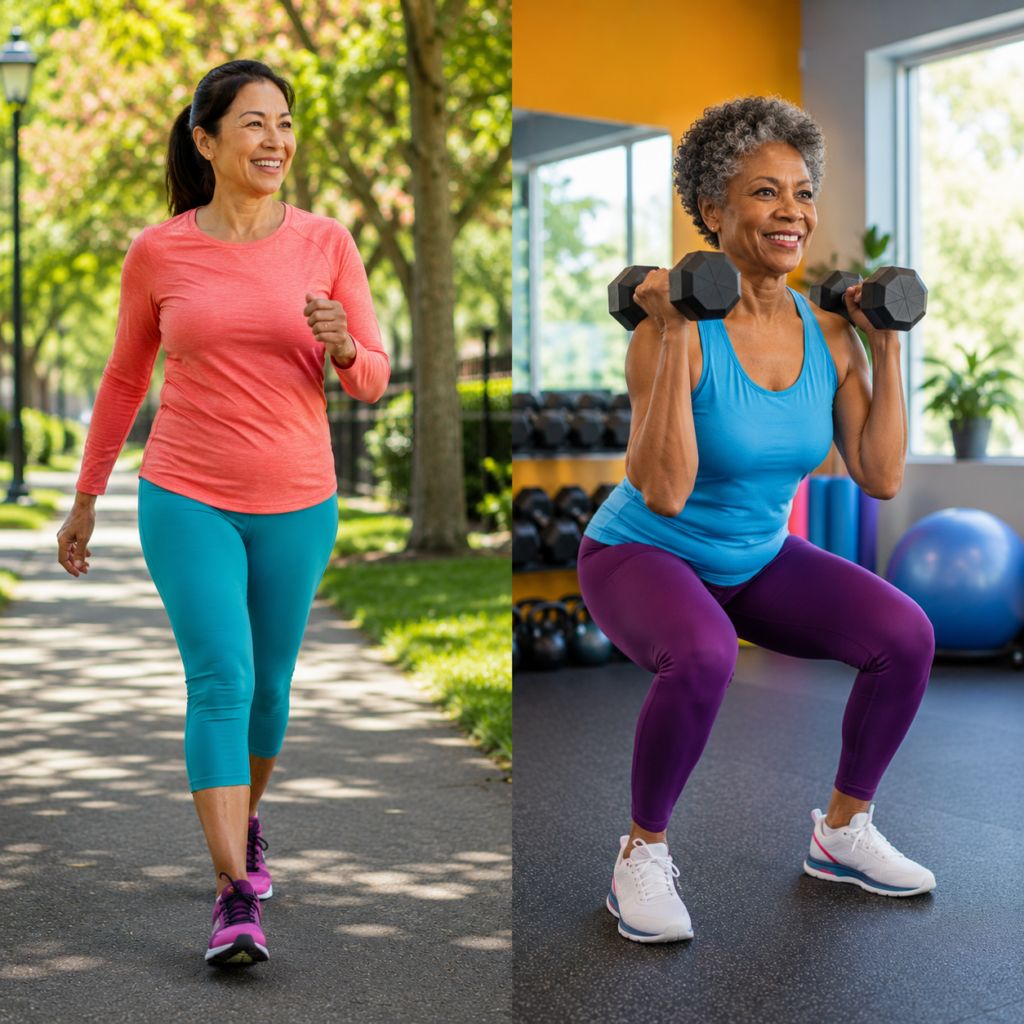
Most women in menopause should strength train at least two days per week, while three full-body sessions may provide additional benefit when recovery is adequate. Train every major muscle group and gradually increase resistance. Beginners should prioritize consistency and technique over lifting the heaviest possible weight.
Can Walking Reduce Menopause Belly Fat?

Regular brisk walking can help reduce belly fat during menopause by increasing energy expenditure and improving cardiometabolic health. Walking alone may not optimally preserve muscle, particularly during weight loss. Combine it with weight training and appropriate nutrition for stronger changes in body composition.
Is HIIT Or Lifting Better For Weight Gain?
Heavy lifting is usually the priority for preserving muscle and strength, while HIIT improves aerobic fitness and can help reduce fat. Neither exercise can spot-reduce stubborn belly fat, and excessive intensity may aggravate fatigue or hot flashes in some women. The best exercises are those you can recover from and perform consistently.
Continue Your Journey
Strength training is not punishment for menopausal weight gain. It is a practical way to protect muscle, independence, and metabolic health while cardio continues supporting your heart and endurance.
Next, explore the main pillar question: Why am I gaining menopause belly fat even though I haven’t changed my diet? It explains how the menopause transition can alter appetite, energy expenditure, muscle, and fat distribution even when your habits appear unchanged.
References
- Khalafi M, Malandish A, Rosenkranz SK, Ravasi AA. “The Effects of Exercise Training on Body Composition in Postmenopausal Women: A Systematic Review and Meta-Analysis.” Frontiers in Endocrinology. 2023. PubMed PMID: 37388207.
- Sá KMM, Silva WM, Matias AB, et al. “Resistance Training for Postmenopausal Women: Systematic Review and Meta-Analysis.” Menopause. 2023. PubMed PMID: 36283059.
- Dupuit M, Rance M, Morel C, et al. “Effect of High Intensity Interval Training on Body Composition in Women Before and After Menopause: A Meta-Analysis.” Experimental Physiology. 2020;105(9):1470-1490. PubMed PMID: 32613697.
- Bueno-Notivol J, Calvo-Latorre J, Alonso-Ventura V, et al. “Effect of Programmed Exercise on Insulin Sensitivity in Postmenopausal Women: A Systematic Review and Meta-Analysis of Randomized Controlled Trials.” Menopause. 2017. PubMed PMID: 28654627.
- World Health Organization. “Physical Activity.” Updated June 26, 2024. WHO Fact Sheet.
- The Menopause Society. Body Composition Changes in Menopause. Speaker abstracts from the 2025 Annual Meeting. Menopause 101 Course and Speaker Abstracts.