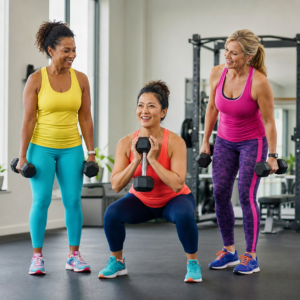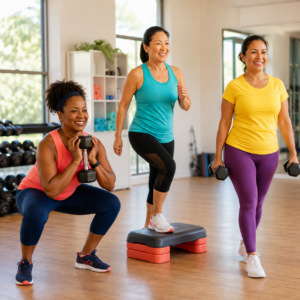

The 60-Second Answer:
The best exercises for menopause belly bloat combine deep-core breathing, dead bugs, bird dogs, glute bridges, and modified side planks. These movements strengthen the abdominal wall and improve posture, but they cannot spot-reduce fat or instantly remove digestive gas. Walking, full-body strength training, sleep, nutrition, and medical assessment may also be needed.
Menopause Changes Abdominal Biology
During perimenopause and menopause, fluctuating and declining estrogen levels affect hormone receptors throughout the brain, muscles, gut, and fat tissue. Lower estrogen is associated with a metabolic shift in fat distribution, making central fat accumulation more likely even when total body weight changes very little.
Aging is also important. Adults naturally lose muscle mass with age, and the menopause transition may accelerate unfavorable changes in lean mass and body fat. Less muscle can reduce daily energy expenditure, while hot flashes, mood swings, poor sleep, and chronic stress may make regular exercise and appetite regulation more difficult.
Progesterone fluctuations may coincide with changes in fluid retention and bowel habits, although bloating is not proof of a hormonal imbalance. Digestive gas, constipation, food intolerance, pelvic-floor dysfunction, medication, fibroids, and gastrointestinal or ovarian conditions can produce similar symptoms.
Nervous system regulation matters too. Slow diaphragmatic breathing can reduce unnecessary abdominal bracing and help coordinate the diaphragm, deep abdominal muscles, and pelvic floor. This may improve how the midsection functions, but claims that breathing exercises “flush out cortisol” or melt hormonal weight gain are not supported.
The Menopause Society explains that aging is the major driver of midlife weight gain, while menopause contributes meaningfully to redistribution of fat toward the abdomen. This distinction helps explain why you might notice an increase in belly fat despite following a familiar diet.
Exercise Cannot Spot-Reduce Belly Fat
A crunch makes abdominal muscles work, but it does not instruct the body to burn the fat covering those muscles. Fat loss occurs across the body according to energy balance, genetics, hormonal conditions, and individual fat distribution.
Core training may still help a meno belly look and feel more supported by strengthening the abdominal wall and improving rib-cage and pelvic alignment. For reducing menopause belly fat and visceral fat, combine core work with aerobic physical activity, strength training for all major muscle groups, adequate protein, and an appropriate nutrition plan.
Exercise cannot reliably eliminate bloating caused by constipation, intolerance, or disease. Gentle movement may temporarily ease gas or sluggish digestion, but recurring abdominal swelling requires investigation of the cause.
Best Exercises Build Deep-Core Control
The best exercises for menopause belly train the core to resist unwanted movement rather than repeatedly bending the spine. This recruits several muscle groups while keeping pressure manageable.
Deep Breathing Coordinates The Core
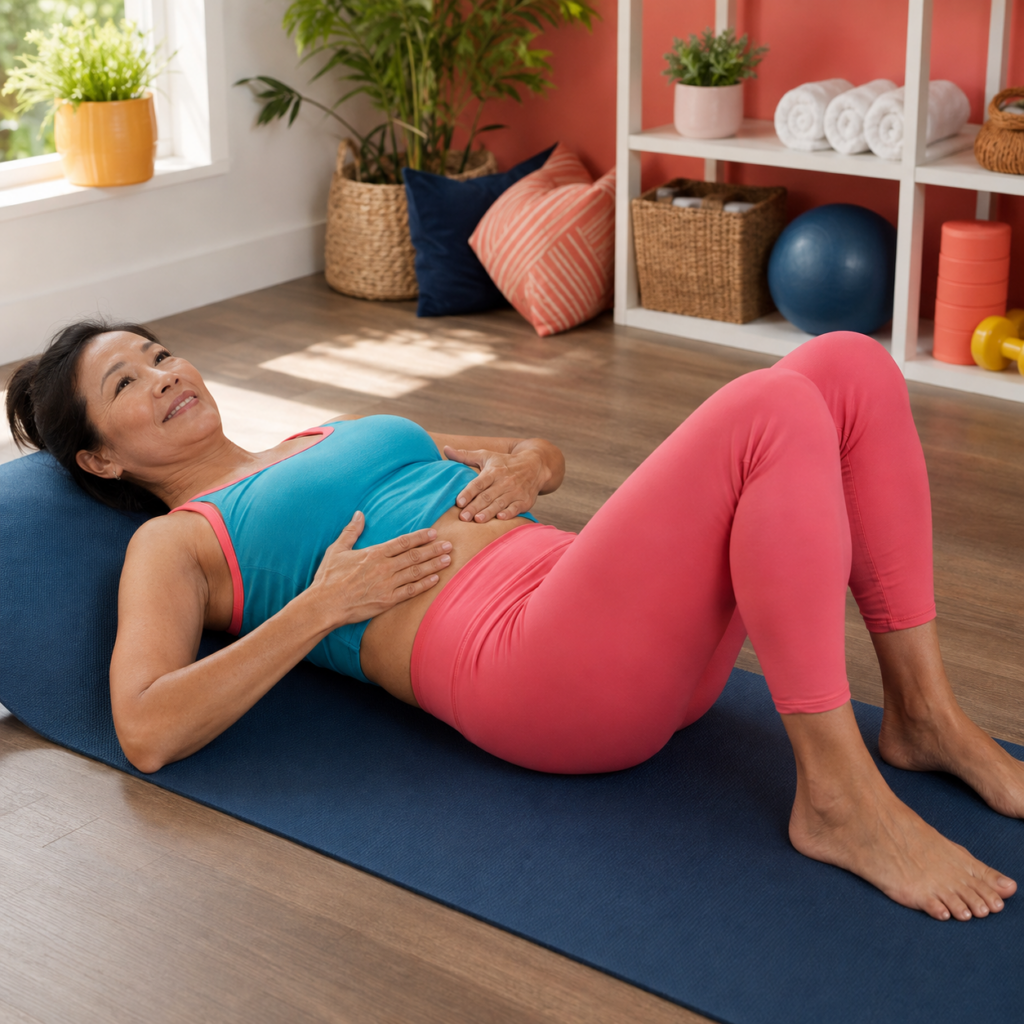
Lie on your back with your knees bent. Inhale through your nose and allow your lower ribs to expand sideways and backward. Exhale slowly, then gently tighten the lower abdomen as though fastening snug trousers, without sucking in forcefully.
Perform five slow breaths. This is coordination practice, not a method for directly reducing belly fat or cortisol levels.
Heel Slides Strengthen The Abdomen
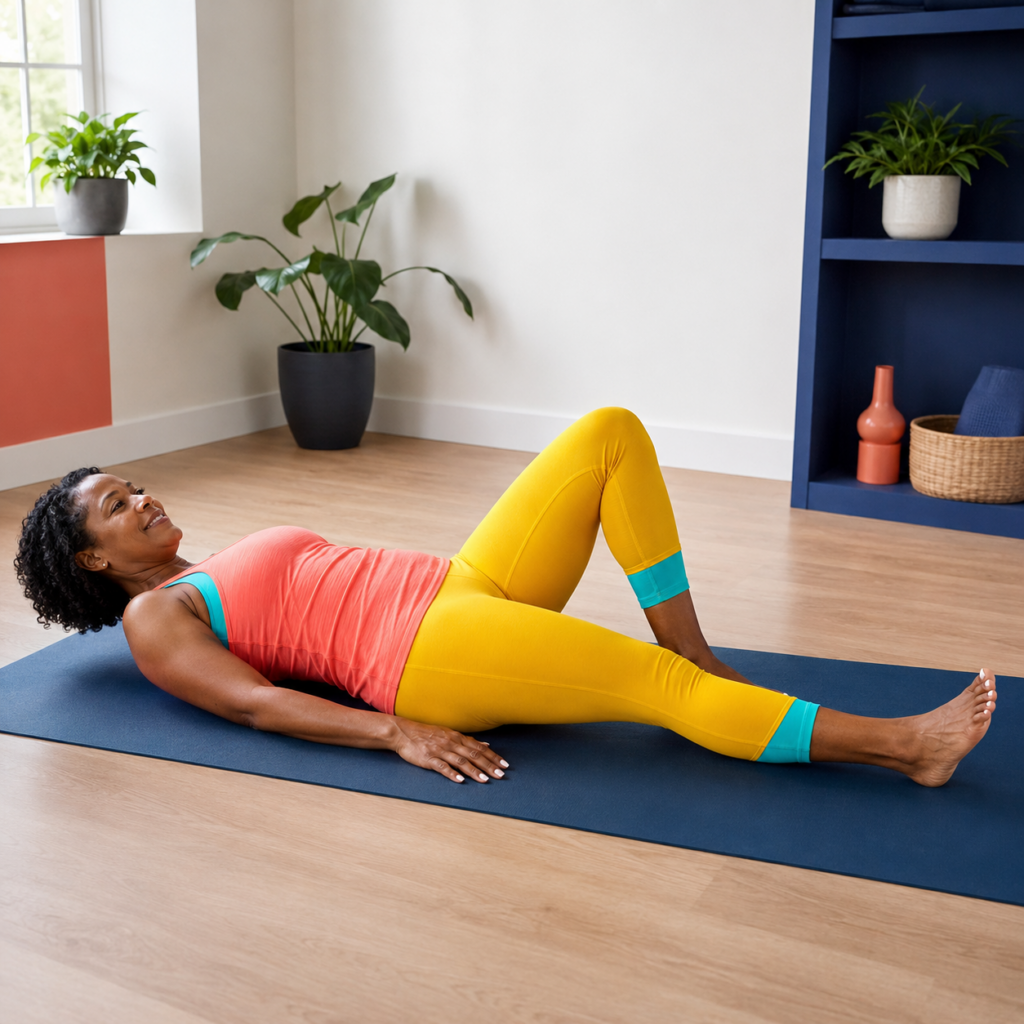
Begin in the same position with a neutral spine. Exhale gently as you slide one heel away, stopping before your back arches or abdomen bulges. Return the foot and alternate sides for 8 to 10 repetitions.
Heel slides are a useful low-impact starting point for women returning to exercise or experiencing poor core control.
Dead Bugs Resist Back Arching
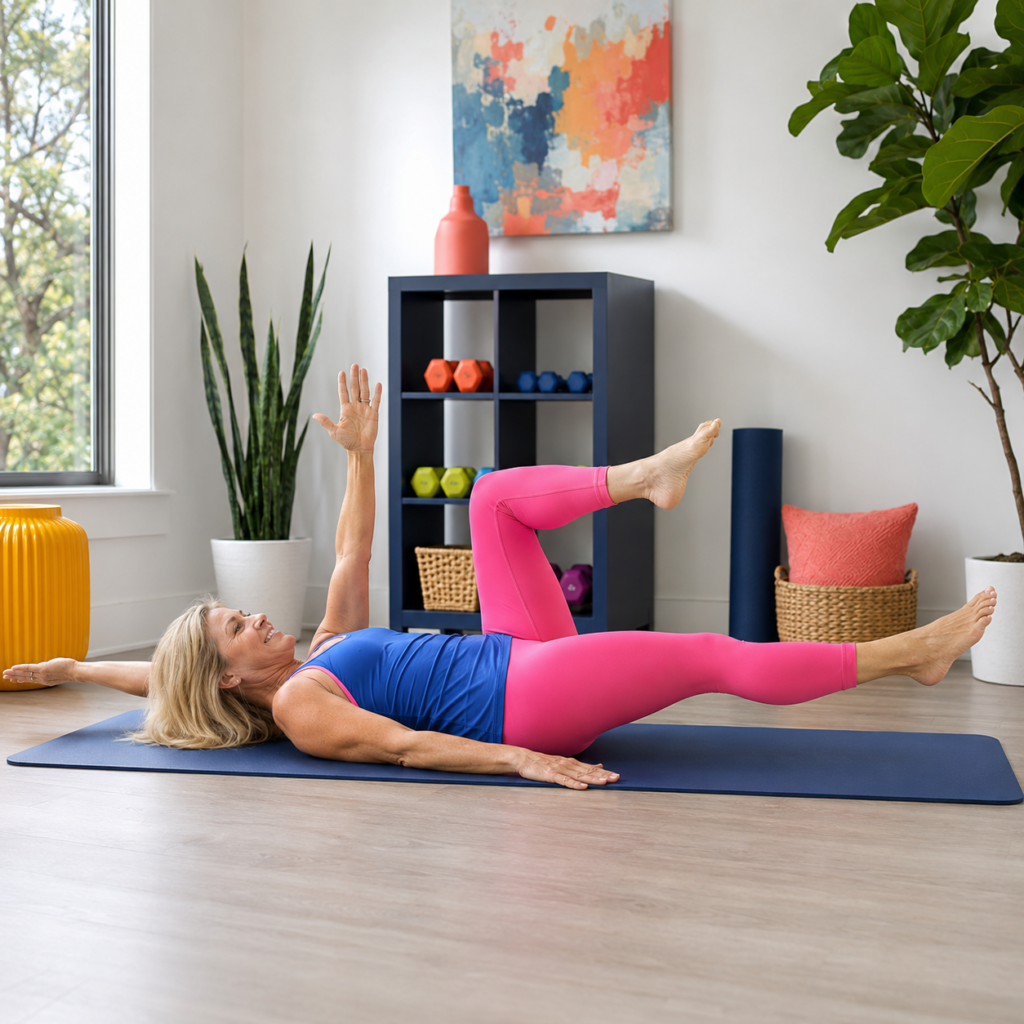
Raise your legs into a tabletop position and extend your arms upward. Slowly lower the opposite arm and leg while keeping your ribs controlled and spine comfortable. Complete 6 to 10 repetitions per side.
Use heel taps instead if the full version causes back pain, breath-holding, pelvic heaviness, or coning along the abdomen.
Bird Dogs Improve Trunk Stability

Start on your hands and knees. Extend one leg behind you and, if stable, reach the opposite arm forward. Avoid twisting your pelvis or arching your lower back.
Hold for two or three seconds and perform 6 to 10 controlled repetitions per side. Bird dogs build anti-rotation control that transfers well to walking, lifting, and daily activity.
Glute Bridges Support The Pelvis
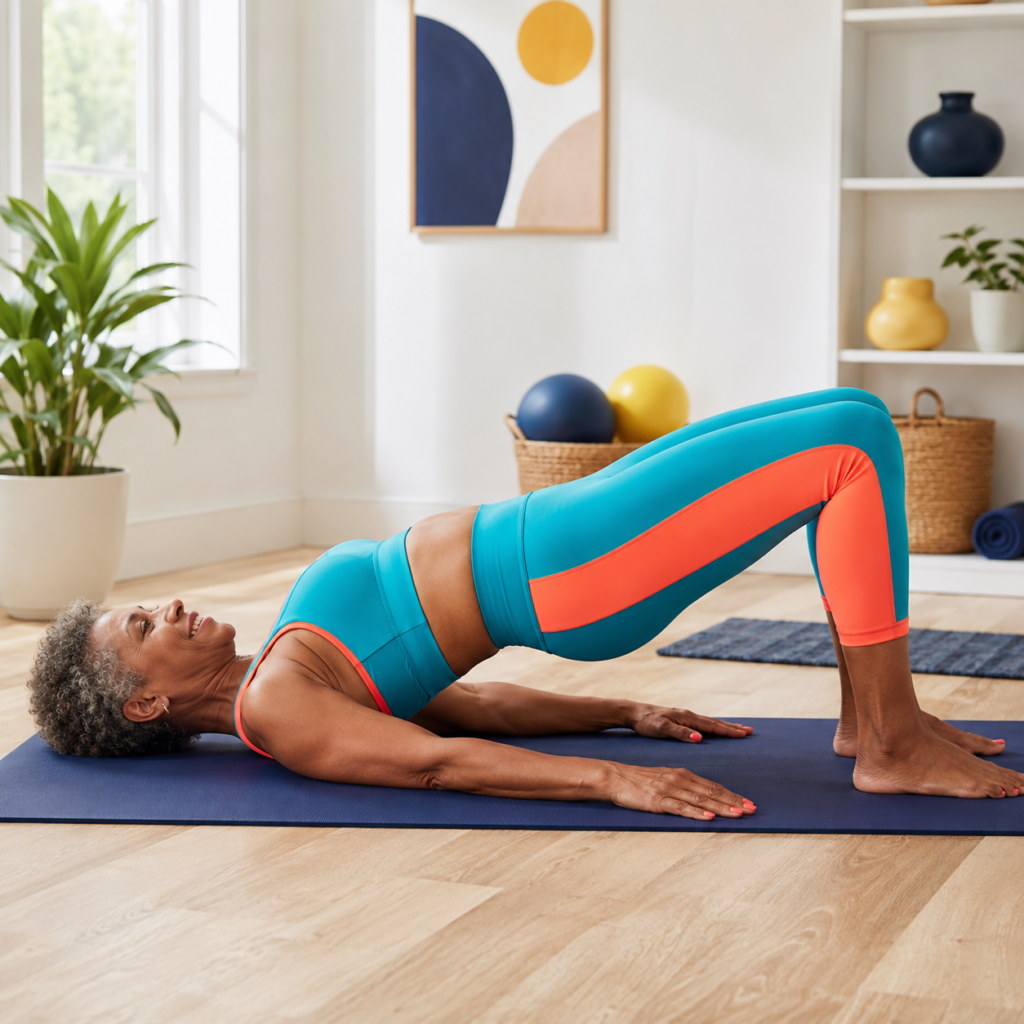
Lie on your back with your feet near your hips. Exhale, press through your feet, and lift your hips without overextending your back. Pause briefly before lowering slowly.
Perform 8 to 12 repetitions. Although not a traditional abdominal exercise, the bridge strengthens the hips and posterior chain that help position the pelvis and support the core.
Side Planks Strengthen The Waistline
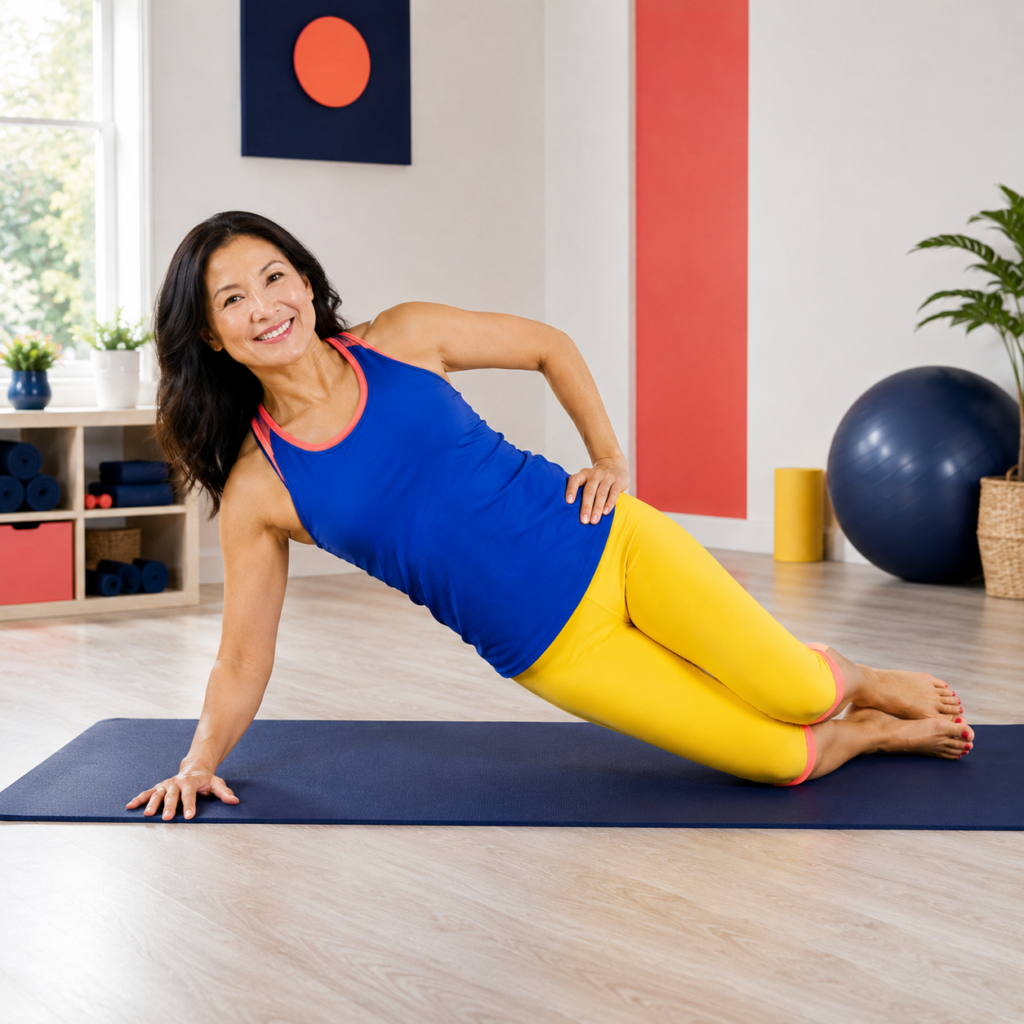
Begin with a modified side plank from your knees and forearm. Lift your hips while keeping your shoulders, hips, and knees aligned. Hold for 10 to 20 seconds while breathing normally.
Complete two or three holds per side. Progress to straight legs only after you can maintain control without pain or pelvic-floor pressure.
Core Exercise Options Have Different Roles
| Exercise Strategy | Primary Benefit | Suggested Starting Dose | Effect On Bloat Or Fat |
|---|---|---|---|
| Diaphragmatic breathing | Core and pelvic floor coordination | 5 breaths daily | May reduce bracing, but does not burn fat |
| Dead bug or heel slide | Deep-core stability | 2 sets of 6–10 per side | Improves support, not digestive causes |
| Bird dog | Anti-rotation and back control | 2 sets of 6–10 per side | Strengthens the trunk without spot reduction |
| Modified side plank | Lateral core endurance | 2–3 holds of 10–20 seconds | May improve waistline support |
| Full-body resistance workout | Preserves muscle mass and strength | 2–3 sessions weekly | Supports body-fat management over time |
| Brisk walking or aerobic exercise | Raises energy expenditure and fitness | 150–300 minutes weekly | Can reduce total and abdominal fat over time |
The exercise doses are practical starting points, not clinical prescriptions. Current World Health Organization guidance recommends 150 to 300 minutes of moderate aerobic activity weekly, or 75 to 150 minutes of vigorous activity, plus muscle-strengthening work on at least two days.
This Workout Supports A Meno Belly
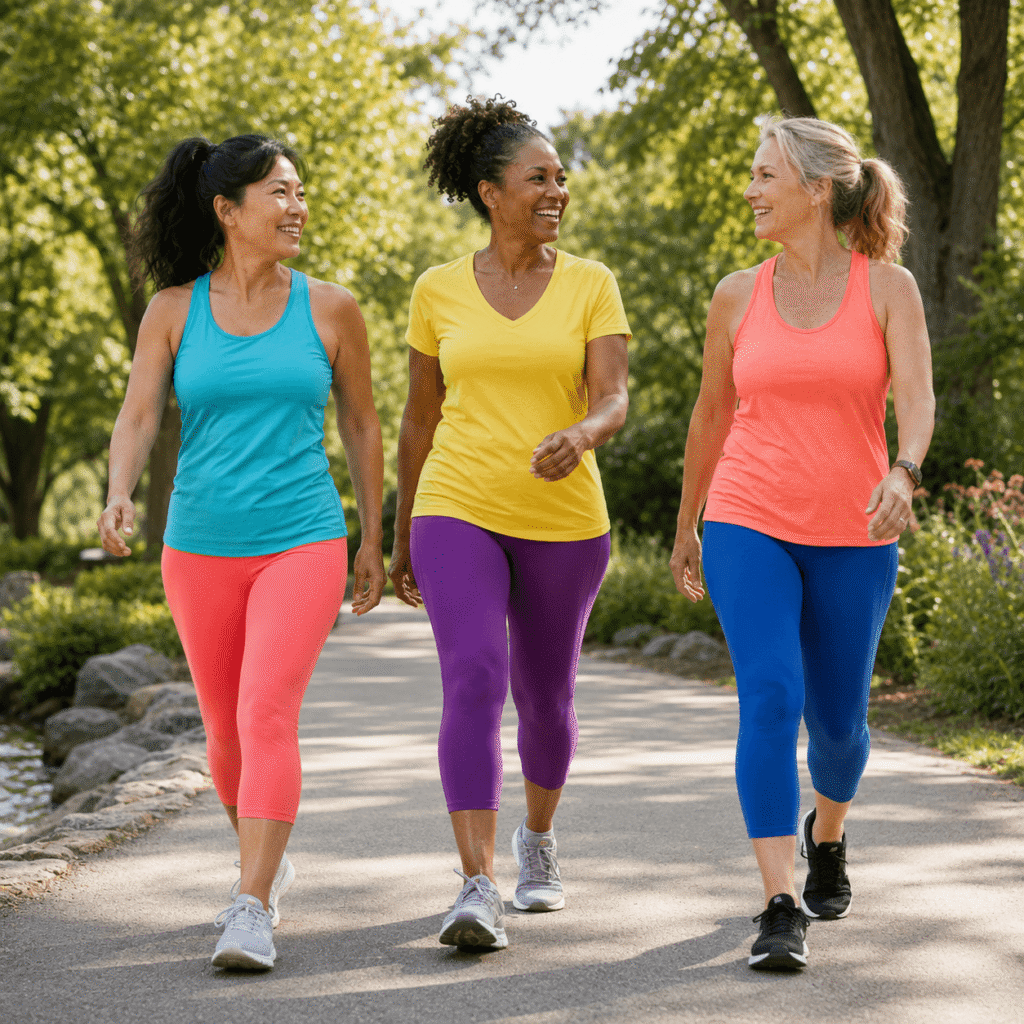
Complete this 15-minute routine two or three nonconsecutive days each week:
- Practice five slow diaphragmatic breaths.
- Perform two sets of 8 heel slides per side.
- Perform two sets of 6 dead bugs per side.
- Perform two sets of 8 bird dogs per side.
- Perform two sets of 10 glute bridges.
- Hold a modified side plank twice for 15 seconds per side.
- Finish with a 10-minute walk, ideally after a meal.
Rest for 30 to 60 seconds when needed. Progress by adding two repetitions, five seconds to a hold, or modest resistance once the current workout feels controlled. Avoid holding your breath or forcing the abdomen inward.
For a complete weekly plan, add two or three full-body strength sessions and accumulate at least 150 minutes of cardiovascular exercise. Eat protein at every meal when practical, emphasize minimally processed foods, drink adequate fluid, and get enough sleep. These exercise strategies support hormonal health and body composition, but they cannot guarantee that you will shrink your belly in a specific number of days.
Stop and seek assessment if exercise causes pelvic heaviness, urine leakage, vaginal bulging, sharp pain, dizziness, or unusual shortness of breath. A pelvic-health physiotherapist can modify core and pelvic floor exercises for prolapse, incontinence, abdominal separation, or previous surgery.
Bloat And Belly Fat Need Different Plans
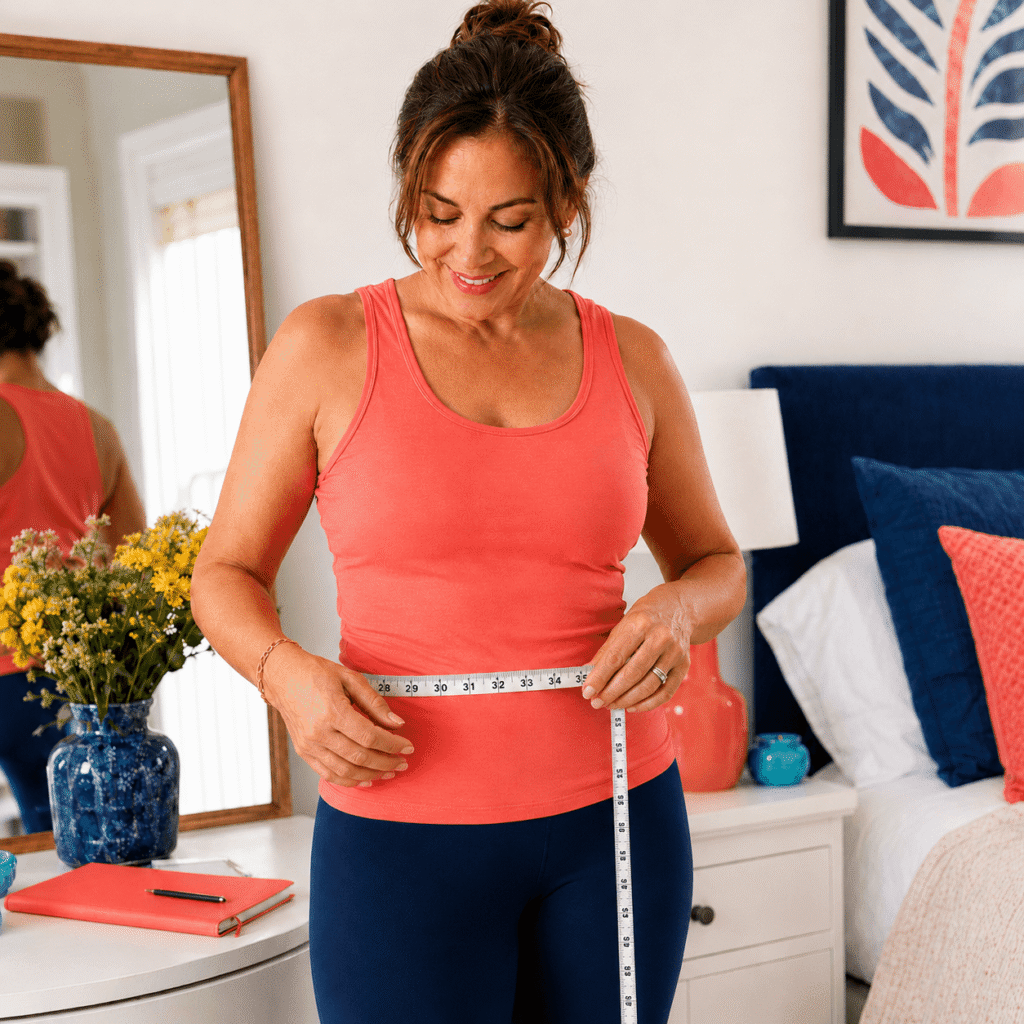
A useful expert angle is to track morning-to-evening waist variation rather than labeling every change stubborn menopause belly. Measure your waist at the same location after waking and again before bed for seven days, while recording bowel movements, meals, symptoms, sleep, and exercise.
Large day-to-day or within-day changes are more suggestive of gas, stool, or fluid than rapidly changing body fat. A gradual increase over months may reflect added weight, subcutaneous fat, visceral fat, posture, or several factors together. This simple use-case prevents women from treating a digestive symptom with endless crunches.
Seek medical care for bloating that is new, persistent, worsening, or accompanied by pelvic pain, early fullness, vomiting, bleeding, unexplained weight loss, urinary changes, fever, or a noticeable mass. These symptoms should not be assumed to be part of perimenopause and menopause.
Frequently Asked Questions
Do Sit-Ups Help Menopause Belly?
Sit-ups strengthen certain abdominal muscles, but they do not spot-reduce menopause belly fat and may make the muscles temporarily look fuller after training. Repeated trunk flexion can also aggravate the neck, back, abdominal separation, or pelvic-floor symptoms in some women. Dead bugs, bird dogs, carries, and progressive full-body strength training usually provide a more balanced approach.
What Exercises Reduce Menopause Bloating?
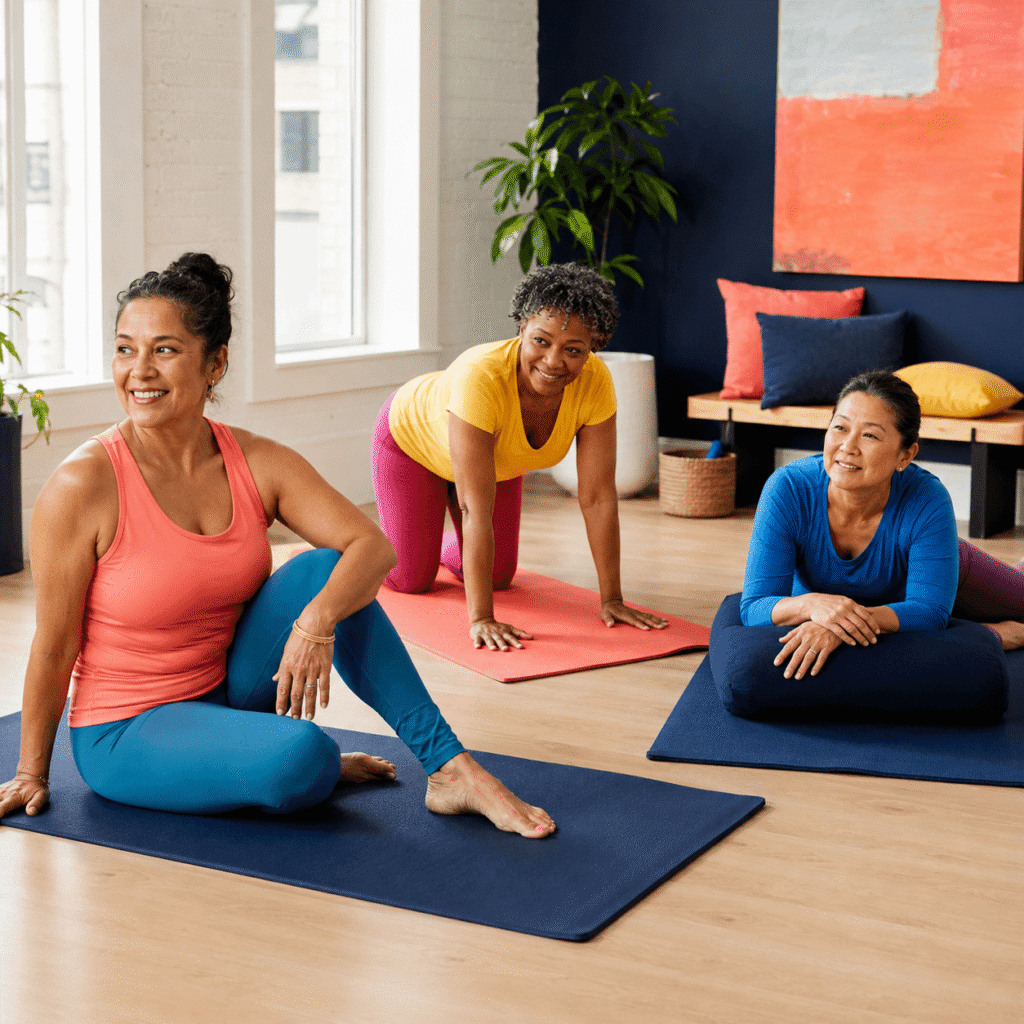
Gentle walking, diaphragmatic breathing, mobility work, and comfortable yoga positions may help reduce menopause bloating fast when gas or slow bowel movement is responsible. They will not correct food intolerance, persistent constipation, ovarian disease, or another medical cause. Contact a clinician if bloating continues, worsens, or appears with warning symptoms.
Can Pelvic Floor Exercise Flatten A Pooch?
Core and pelvic floor exercises can improve pressure control, posture, continence, and support, which may change how the midsection looks. They cannot directly remove visceral fat, subcutaneous fat, digestive gas, or loose skin. If you experience leakage, pelvic heaviness, pain, or bulging, obtain an individualized pelvic-health assessment.
Is Pilates Better Than Heavy Lifting?
Pilates can improve core endurance, mobility, balance, and body awareness, while appropriately prescribed lifting is particularly valuable for maintaining muscle and bone. Neither is automatically superior for menopause waist thinning, and neither can selectively burn abdominal fat. Many Wise Women benefit from Pilates alongside progressive resistance training, walking, and sufficient recovery.
Continue Your Journey
Core training is one part of reducing menopause belly, not a punishment for a changing body. Continue with our pillar guide, Why Am I Gaining Menopause Belly Fat Even Though I Haven’t Changed My Diet?, to understand how estrogen, aging, sleep, muscle loss, nutrition, stress, and fat distribution interact throughout the menopause transition.
References
- The Menopause Society. Midlife Weight Gain. MenoNote patient education resource. 2024. Available from The Menopause Society.
- Khalafi M, et al. “The Effects of Exercise Training on Body Composition in Postmenopausal Women: A Systematic Review and Meta-Analysis.” Frontiers in Endocrinology. 2023;14. PMID: 37388207. PubMed record.
- Nilsson S, et al. “Resistance Training Decreased Abdominal Adiposity in Postmenopausal Women With Vasomotor Symptoms.” Menopause. 2023. PMID: 37421844. PubMed record.
- Nunes PRP, et al. “Effect of Resistance Training on Muscular Strength and Indicators of Abdominal Adiposity, Metabolic Risk, and Inflammation in Postmenopausal Women.” Age. 2016;38(2):40. doi:10.1007/s11357-016-9901-6. PubMed record.
- Dupuit M, et al. “Moderate-Intensity Continuous Training or High-Intensity Interval Training With or Without Resistance Training for Altering Body Composition in Postmenopausal Women.” Medicine & Science in Sports & Exercise. 2020;52(3):736–745. PMID: 31524825. PubMed record.
- Irwin ML, et al. “Effect of Exercise on Total and Intra-Abdominal Body Fat in Postmenopausal Women: A Randomized Controlled Trial.” JAMA. 2003;289(3):323–330. PMID: 12525233. PubMed record.
- World Health Organization. WHO Guidelines on Physical Activity and Sedentary Behaviour. Geneva: World Health Organization; 2020. WHO guidance.